As an Amazon Associate I earn from qualifying purchases. This article contains affiliate links that may earn a commission at no extra cost to you.
The most common Kawasaki Teryx problems are CVT belt failures from heat, fuel delivery issues that cause a loss of power once the machine warms up, and a reverse gear that feels weak in thick mud. The Teryx is a capable midsize sport UTV, but a few recurring owner complaints come up again and again on the forums.
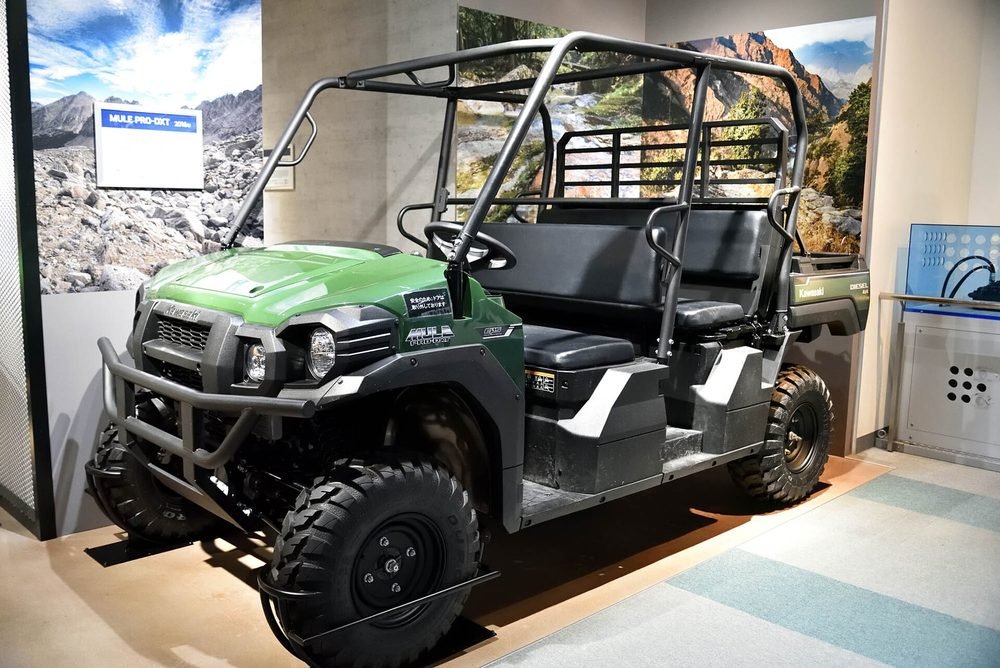
This guide pulls together what real Teryx owners report across multiple threads, groups the failures, and gives you the fixes that actually work. It covers the 750, the 800, and the four-seat Teryx4, because they share most of the same drivetrain and fuel system. If you are comparing it to another Kawasaki, the Kawasaki Mule plays a different role as a pure work UTV.. Every claim here is grounded in owner threads and Kawasaki recall records, not guesswork.
Why Do Kawasaki Teryx Belts Fail?
A CVT belt that slips, cracks, or shreds is the single most reported Teryx problem. The belt runs through a continuously variable transmission that sits inside a sealed cover, and the design sucks cooling air from under the engine cover. That means the air is already warm before it reaches the unit.
Owners who track belt temperature report readings around 220 to 245 degrees Fahrenheit in normal riding, and harder use with taller tires and heavy loads pushes it higher. One experienced owner notes the Teryx belts run hotter than most because the cooling air is drawn from a warm area. Heat shortens belt life and causes the rubber to separate from the cord.
Kawasaki issued a recall on 2014 Teryx and Teryx4 units in which the serrated top layer of the CVT belt could separate and cause the belt to break. Dealers replaced the drive pulley and drive belt free of charge. Owners described the fix as a serious expense for Kawasaki, around 700 dollars per unit, which tells you how widespread the friction was.
One owner reports that even after the recall, the poor low-speed grip means a belt can still be forced past its limits, especially in the tightest climbs. Another had a belt jam under a broken sheave on the driven pulley and crack the clutch housing, leaving him stranded deep in the woods.
How to Stop Teryx Belt Problems Before They Start
Keeping the belt cool is the whole game. The first and cheapest fix is to make sure the CVT air intake is clean and not blocked. Check that the intake duct is clear and the cover seals properly so water and mud cannot get in.
Many owners go one step further and snorkel the CVT intake so it draws clean, cool air from higher up rather than pre-heated air from under the engine. This is the single most recommended modification in Teryx owner threads, and it helps with both heat and water crossings.
Carry a spare belt. It is one of the most recommended practices among Teryx owners, because a broken belt far from the trailer is the kind of failure that ruins a weekend trip. It is a different failure pattern from the Brute Force 750 ATV, which is a single-rider quad.. The OEM belts have proven reliable in normal riding when kept cool. Add a belt temperature gauge if you ride hard on tall tires, and keep OEM springs and weights in the clutch so it stays within the designed operating range.
Loss of Power After Warm Up: The Fuel System Plumbing
A Teryx that runs fine cold and then loses power, bogs, or cuts out once warm is usually a fuel delivery problem. Owners on multiple threads describe a machine that will not go past a certain speed, spits and coughs, or falls flat on throttle after ten to twenty minutes of riding.
The fuel pump, the pick-up filter sock, and the fuel tank vent are the usual culprits. A dirty filter sock or a plugged tank vent starves the pump under load. One owner found very fine dirt inside the tank that had plugged the pump suction filter because the factory vent let debris in. Replacing the filter and relocating the vent with a small breather filter fixed his 2017 for good.
A fuel pressure gauge is the right diagnostic tool. Owners who tee a gauge into the fuel line find that pressure drops sharply only under wide open throttle when the pump is failing. Others check fuel volume as well as pressure, since a pump can hold pressure but not flow enough fuel. Replace the in-tank filter sock on schedule, most threads suggest around the 100 hour mark, and inspect the vent line for plugs.
Kawasaki also issued a recall on around 100 2021 Teryx and Teryx4 units in which the fuel pump retainer plate bolts could come loose and cause a fuel leak over time, posing a fire hazard. Dealers replaced the bolts free of charge. If you own a 2021 unit, check your VIN against the recall before anything else.
Hard Cold Starts and Cut Outs at Speed
Some owners report a Teryx that is hard to start cold and needs the throttle opened to keep it running, then cuts out or bogs once it hits a certain speed. This is closely tied to fuel delivery, but fouled spark plugs are a common and often-overlooked cause.
The rear cylinder spark plug is awkward to reach, which makes owners put off changing it. Owners who replaced the plugs and cleared the fuel filter reported the machine ran cleanly again. Change the plugs regularly, follow the fuel system checks, and make sure you are running fresh fuel.
If a Teryx idles and revs fine in neutral but will not move above a crawl, check for a restricted fuel filter and for the differential lock being engaged. One owner found his machine limited to walking speed because the fuel filter on the pump in the tank was stopped up and the computer put the engine into a protection mode.
Is the Teryx Reverse Gear Really That Weak?
Owner complaints about weak reverse are common, especially on the four-seat Teryx4. One owner explained the lack of power in reverse was the single biggest reason he sold his Teryx4 800. He said a smaller Yamaha Rhino had more torque to the wheels in reverse than his Teryx did, and the machine struggled to turn its own tires in thick mud in reverse.
The Teryx has always run a high gear ratio compared to most other machines, a trait it shares with other sport UTV platforms., and this shows up most in reverse. The engine brake control and the clutching also affect low-speed behavior. Expect to work the throttle and plan your line in reverse, and know that this is a design trait of the platform rather than a defect you can tune away cheaply.
The Teryx Floorboard Recall and Injuries
A safety recall that owners should know about involves the floorboards. The Consumer Product Safety Commission and Kawasaki jointly recalled around 11,000 Teryx4 750 units in July 2014, and later expanded the recall to cover about 19,500 Teryx 800 and Teryx4 800 units from 2014 through 2016.
The hazard was debris cracking or breaking through the floorboards during normal operation and striking the riders’ lower legs. Kawasaki received 628 incident reports of debris breaking through the floorboards, including eight reports of injuries to riders’ lower extremities. The fix was an enhanced floorboard guard. If you own one of these model years, verify the recall work was completed.
What to Check Before Buying a Used Kawasaki Teryx
When you look at a used Teryx, start with the recalls. Confirm the 2014 belt and drive pulley recall, the floorboard recall, and any fuel pump recall work are all reflected in the service record. A seller who cannot show proof of recall completion should raise a flag.
Get a look at the belt and clutch condition if you can, because a shredded belt or a leaking primary shaft seal is your first hint of past heat problems. Check that the inside of the CVT cover is dry and clean with no belt dust or oil. Test reverse on the steepest spot you can find, because weak reverse is the Teryx’s most divisive trait.
Run it long enough to warm up fully, then load it up a mild climb at speed. That is how the fuel delivery problems show themselves, the same way Prairie 300 owners describe their carb and fuel issues.. Listen for rear driveline noise, and check the floorboards for any previous repair signs.
Look for the same signs on the how a carburetor gets cleaned if you are looking at an older carbureted unit, though fuel injection arrived on the Teryx in 2009.
Teryx Maintenance That Prevents the Common Failures
Preventive care goes a long way on the Teryx. Duck the CVT belt living in a clean, cool intake and change the belt before it fails on schedule. Replace the in-tank fuel filter sock around every 100 hours and clean the vent line. Change the spark plugs on the recommended interval, especially the hard-to-reach rear cylinder.
Keep the primary shaft seal area clean and fix any oil leak right away, because a few drops of oil on the belt will shred it fast. One owner lost a belt after a faulty primary shaft seal leaked oil onto it, and even after cleaning, the cords ripped out of the belt. A dry, clean clutch is a long-lived clutch.
Use quality parts for the belt and clutch. Most owners stay with the OEM belt, which has proven reliable in normal riding. For routine care, dielectric grease on the connectors keeps moisture out, and a good synthetic ATV oil protects the V-twin.
Two parts are worth having on hand. A replacement Teryx drive belt handles the most common failure, and a fuel pump assembly covers the fuel delivery complaints older units develop. Owners say a lifetime-warranty pump on a 2017 unit solved the warm-up power loss completely.
Kawasaki Teryx Drive Belt
Most owners of this machine reach for a spare belt first, since heat is the number one cause of failure.
Bottom line: The Kawasaki Teryx is a solid, fun midsize UTV whose biggest recurring complaints boil down to heat management and fuel delivery. Keep the CVT cool, keep the fuel system clean, and watch the air intake like the Bayou 220 owners do., and address any oil leak immediately, and most of the famous Teryx failures stay in the forums instead of on your trailer.