
As an Amazon Associate I earn from qualifying purchases. This article contains affiliate links that may earn a commission at no extra cost to you.
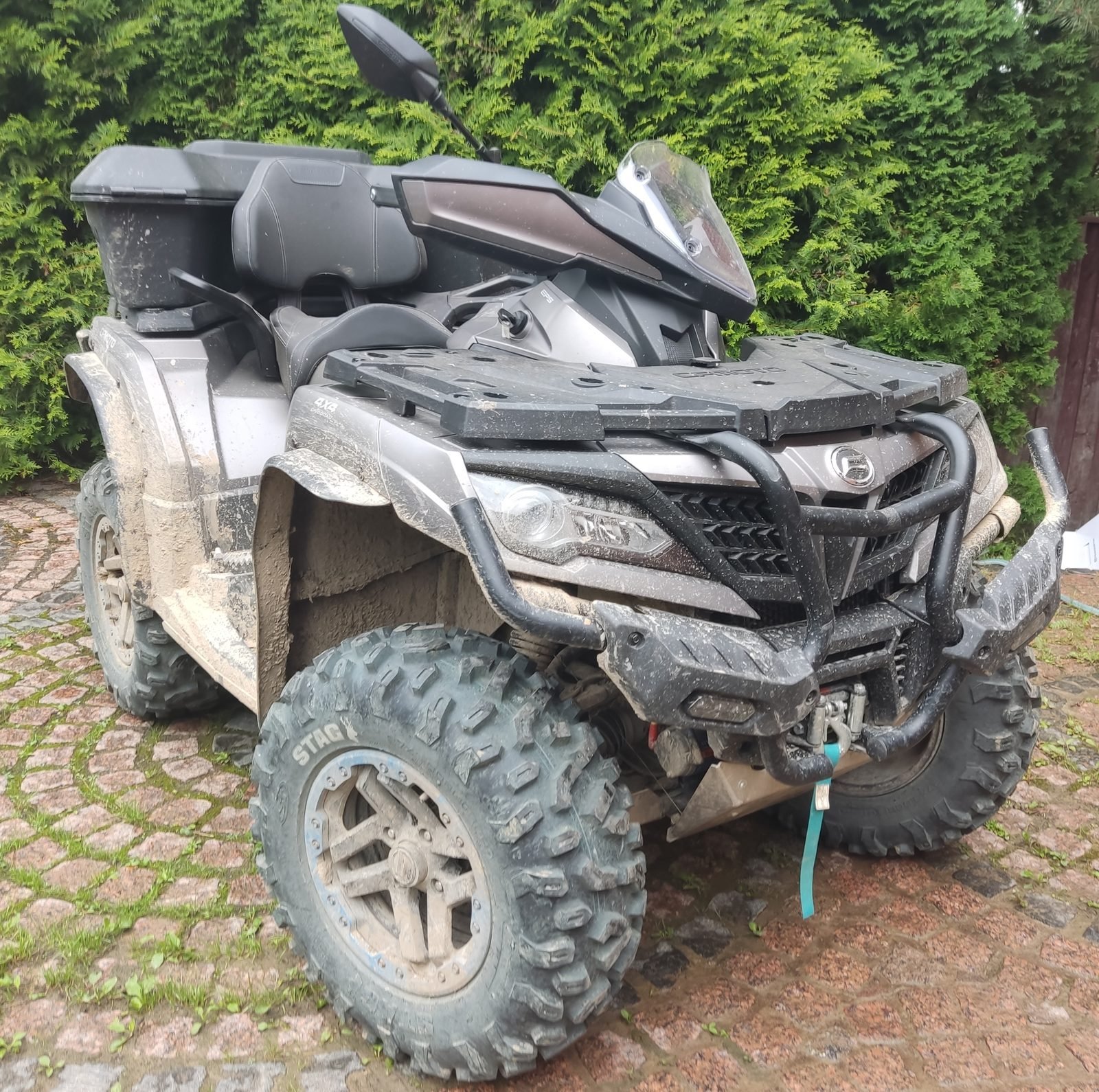
Goes makes some of the cheapest Chinese ATVs and UTVs you can buy, and that is both the appeal and the risk. Owners post the same handful of problems over and over: sudden no-start faults, starter clicks, CVT belt wear, EFI error codes, and a brand that stopped offering support. Here is what actually breaks on a Goes, model by model, and the fixes owners confirm work.
The key thing to understand before anything else: most Goes machines are re-badged Goes 450 style CF Moto clones. Owners read OBD-II codes off an ECU stamped CF 400 MSE 6.0, and source CF Moto belts, sensors, and workshop diagnostics. That platform knowledge is the cheapest fix you will find, because Goes itself no longer helps.
Which Goes models are out there?
Goes badges a range of machines, and the model naming is fairly messy, which trips up a lot of buyers. The lineup splits into work quads and bigger UTVs: the early Goes 450 X ran a 449cc single with a five-speed manual box and two-wheel drive. The later Goes 450 Iron and Iron Max stepped up to electronic fuel injection and a belt-driven CVT.
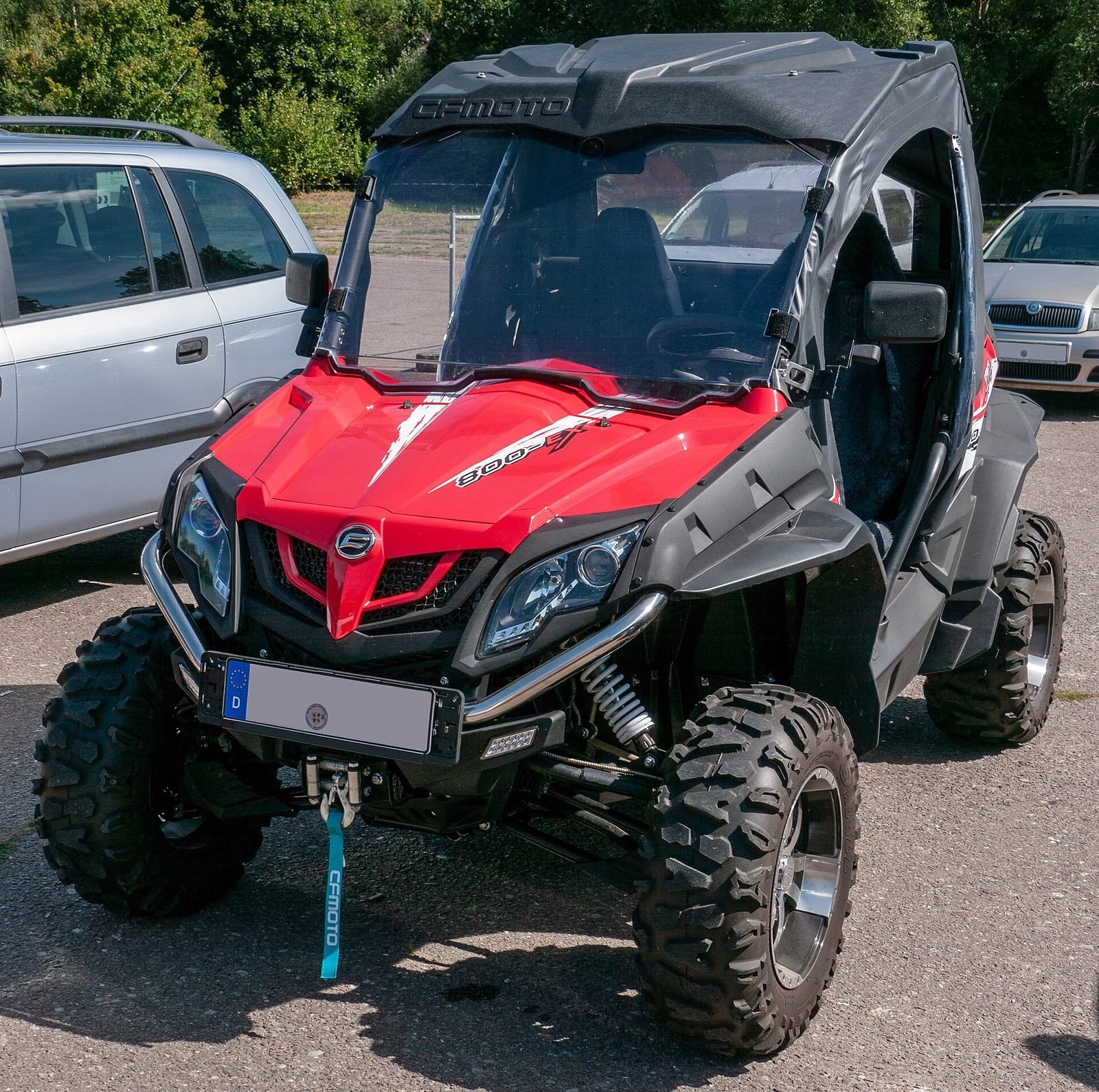
There is also the Cobalt 500 and 550 Max, the 520 and 520 Max, a Copper 2.0, and the XWOLF 700. The utility side of the family is the Goes Terrox, which covers a Terrox 500 single and a Terrox 1000 with a 963cc V-twin. Related brands in the same budget space include the CFMoto CForce and the Goes 725i side-by-side. Whatever badge is on the fender, the mechanical bones are the same CF Moto-derived platform.
Why does that matter for a problems post? Because the recurring fault you are chasing is almost never unique to your exact model. A belt problem on a Goes 520 behaves the same on a CF Moto 520. So the fixes below transfer across the lineup, and every one comes from a real owner thread.
The short version: what actually breaks on a Goes?
Across the boards, three problems dominate. First is a sudden no-start or a stall that will not restart, and it can be a spark plug, a failed CDI, a lost ground to the starter relay, or a bad fuel pump. Second is the starter that clicks but will not crank, usually a relay, a weak battery, or a bendix. Third is CVT belt and variator wear, which shows up as full-throttle hesitation on machines that have done very few miles.
Below those three are smaller but common complaints: EFI error codes on the Iron and Cobalt models, ignition switch wear, reverse gearbox damage under heavy load, and dash gremlins like gear-position faults and a buzzer that will not shut up. None of these are exotic, and most have a cheap fix. The real cost of owning a Goes is not the parts, it is the lack of support, which I cover in detail later.
Why does my Goes ATV suddenly die and refuse to restart?
This is the single most common reason Goes owners post. The pattern is always the same: the machine ran fine, then it died, and now it will not restart. On a Goes 400 Iron with a perfect-looking spark, the fix that worked was a brand-new spark plug, even though the old plug still showed a strong spark. So a plug swap is the cheapest first step on any Goes no-start.
On a Goes 520 Max that backfired while snowplowing and then refused to start, the owner replaced the plug and the CDI with no luck. Starter ran in bursts, and it would fire and backfire by turn. Threads like that one point to a CDI or ignition timing issue rather than fuel. On a Goes Iron 450, an owner traced a mystery no-start to a missing ground on the starter relay and fuel pump, a machine that parked with only 600 km on it.
The lesson: on a Goes, assume it is a spark, a ground, or a pump before you buy parts. Pull the plug and check its color, check every ground from battery to frame to engine, and confirm the fuel pump primes. A new battery and a plug will clear a startling share of these faults. If it still will not fire, look at the CDI and the wiring harness for chafed or drifted pins.
The starter clicks but the engine will not crank
Next most common is the click. The starter relay engages, you hear one click, and nothing else happens. Owners report it helps to let the battery charge for a while, which strongly suggests the battery or the relay is the weak point. One benchmark thread ended with the owner finding that the machine starts if he shorts the relay directly, which points straight at a faulty relay, even a brand-new one.
On a Goes Cobalt 550 Max the starter spins freely and hums with nothing beyond that, which is the classic freewheel or bendix symptom, not a dead starter motor. Some of these starter bolts are soft and hard to reach, so check the bendix before you replace the whole motor. The cheap test: if it cranks when you short the relay, replace the relay first, then check the battery under load, then the bendix.
EFI error codes on the Iron and Cobalt models
The EFI Goes quads throw a familiar set of codes: P0031 for the O2 heater circuit low, P0134 for no O2 activity, and P0261 for injector one circuit low. An owner chased these on a 450 Iron Max with a new battery, clean terminals, and a new lambda sensor, and nothing changed. The experienced members on the board said the same thing they tell CF Moto owners: on this platform it is usually not the sensor at all.
The real cause is often a bad exhaust gasket or a secondary-air leak that corrupts the O2 readings, or a bad ground or connector. In that owner’s case the fix was a partially seated O2 connector pin that had not fully clicked. Re-seating it with contact spray, and the codes stayed away for 120 km of riding and snow clearing. On a Goes Iron 450, a backfire on throttle with the engine lamp blinking points to the same grounding and sensor circuit.
If you own an EFI Goes, buy a cheap OBD-II reader and read the codes before touching anything. Recurrent circuit-low codes usually mean a ground or a connector, not a dead sensor. Check the exhaust gasket and the O2 connector first; they fix more of these than all the sensors combined.
The orphan-brand problem: Goes was sold off
This is the most Goes-specific problem of all, and it matters most if you are buying used. Goes as a brand was sold off and stopped supporting older models. Dealers say they only have plans for new machines, Goes France does not answer, and there is no phone number. The product pages on the European site now 404. So when you need a wiring diagram, a special tool, or an exact part, there is often nobody to call.
Worse, exact spare parts simply no longer exist for some machines. One owner’s ECU failed, and the replacement arrived with a different program and pin map, because the original ECU was stamped CF 400 MSE 6.0 and the new one was a CF 250. The suggestion from the forum was to have a tuner read the old ECU and transfer the program, or repair the original unit. That is not a job most owners want to face.
The practical workaround is to treat your Goes as a CF Moto. Because the platform is a CF clone, CF Moto dealers and parts suppliers will often help where Goes dealers will not. Belt wear limits, sensors, and workshop diagnostics all transfer. Bookmark a CF Moto 450 or 520 manual and a CF parts source before you need them, and a service on a used Goes will cost a fraction of what a dealer would quote.
CVT belt and variator wear (and full-throttle hesitation)
A Goes Cobalt 500 owner described a hesitation and stutter at full throttle, but only in gear, not in neutral. The machine was a 2018 with just 950 km on it, and it had mostly sat. The members pointed at the drive belt, the variator slides and weights, and gummed injectors from old fuel on a stored machine. Sorted fuel and a clean carb matter here, and a walking-through of how that works is in the guide to cleaning an ATV carburetor. The belt wear limit on the CF family is about 33.5 mm, and this owner measured 34 mm, so it was borderline.
Their fix for a machine that sat was to fill it with high-octane fuel and ride it hard to clear the injectors. For the belt, treat it as normal maintenance: inspect it, and replace the belt with fresh slides and weights at the same time, because a tired belt is the most common drive-side failure on the whole CF platform. A CVT rebuild kit is cheap insurance, and a fresh drive belt for this platform is a part worth buying before you need it.
Reverse and transmission failures under heavy load
The reverse gearbox on some Goes models is not built for much abuse. One Goes 520 owner hauled a roughly 1,000 kg boat and trailer in reverse on soft ground, gave it full throttle, heard loud bangs from the engine, and then reverse stopped working entirely. The machine still drove forward, so it looked like the reverse mechanism itself rather than the clutch or the engine.
This is a lower-frequency problem, but it is a high-cost one when it happens, and it is worth testing before you buy. Reverse the machine under load on a test ride and listen for grinding or bangs. If you plan to haul trailers in reverse on a Goes, keep the load sensible and never force it with full throttle against soft ground, because the reverse components are the weak link on the platform.
Ignition switch and key-lock wear
A classic budget-ATV complaint, and Goes is no exception. Owners find they have to push the key to exactly the right spot to start the machine, and a light jiggle of the key can cut it out or restart it. One Goes 520 owner put in a cheap toggle switch as a stop-gap, and replacement ignition locks run roughly 55 to 85 dollars. It is a low-cost, low-risk fix that cures a surprisingly common source of intermittent starts and sudden cut-outs.
Dash and sensor gremlins
The instrument cluster on these budget quads has a few known foibles. A Goes 400 Iron displayed every gear position except High in the dash, a gear-position or sensor switch fault. A Goes Iron Max 450 beeped periodically while parked and switched off, like a low-battery smoke detector. The board found the dealer had bridged the seat-position switch and the bridge had gone unstable.
On a 450 Iron Max, the oil-pressure lamp blinks for the first few seconds at startup and then clears, which owners confirm is normal behavior on that model. The persistent buzzer is the seat sensor, and it buzzes if you are not seated with the parking brake off; several owners simply disconnect it. None of these dash issues stop the machine, but they can make you think something serious is wrong, so it helps to know they are common and mostly cosmetic.
Buying a used Goes ATV: what to check first
Buy it knowing you are getting an orphan brand. The money you save up front on the sticker should be budgeted for a first servicing, because a Goes needs a respectful first pass: spark plug, drive belt and variator, battery, grounds, and fluids. A good plug like a fresh ATV spark plug is the cheapest single fix on the whole platform. Expect to spend somewhere around a hundred to a few hundred dollars on that initial service on a neglected machine.
Ask for the maintenance history, not just the hours. Low mileage is a warning flag on these machines, because a quad that mostly sat falls into gummed-injector, bad-fuel, and CVT sit-wear territory. A machine with a documented service book and receipts is worth more than a barely used one with no history.
Confirm which drivetrain it has before you commit. The early Goes 450 X is a manual five-speed two-wheel drive. The later utility Iron and Iron Max models are belt-drive CVT, and the diff-lock behavior varies by year, with some locking only the front and others both ends. Test High gear, four-wheel drive, and the diff lock on the ride, because gear and display faults are a common tell.
Do a true cold start, ride it under load, and read the fault codes with a cheap OBD-II reader. Recurrent circuit-low codes point to a ground or connector problem, so budget that in. Check the starter circuit, and wheel it onto a trailer in reverse, because the starter relay and the reverse gearbox are two of the priciest failures. A low battery is a common cause of no-starts on these, so a battery maintainer is a sensible add. Price it as a cheap work machine, not a premium model, and it can be a reliable plow or farm quad when fixed right. The same platform notes apply to the bigger CFMoto CForce 1000 and the ZForce 950 machines it shares its bones with.
CFMoto CForce Drive Belt
A worn drive belt is the most common drive-side failure on this platform. See today’s price on Amazon.
Bottom line
Goes builds cheap CF Moto clones, and the problems owners report are the predictable ones: no-start faults, clicking starters, CVT belt wear, EFI sensor codes, and an orphaned brand with no support. Most have cheap fixes, and the platform knowledge transfers straight from CF Moto. If you buy one, service it on day one and keep a CF parts source handy. If you already own one and it will not start, check the plug, the grounds, and the fuel pump before you spend a cent.

