
As an Amazon Associate I earn from qualifying purchases. This article contains affiliate links that may earn a commission at no extra cost to you.
The Kawasaki Prairie 300 is one of the most common used ATVs you will find in barns and on trails, and for good reason. It is a simple, belt-drive automatic utility quad that gets the job done. But after decades of hard use, these machines develop a short list of repeat problems. Owners run into a carburetor that acts up, a drive clutch that wears out, an engine that overheats on hot days, and oil seals that leak.
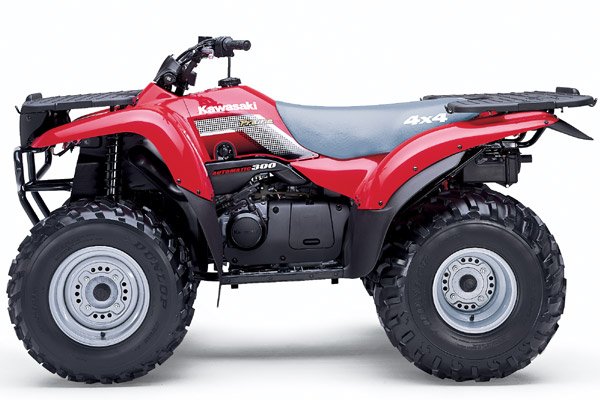
In this article I walk through the most reported issues, what causes them, and the fixes that actually work, so you can keep an old Prairie 300 running instead of parking it.
Lost Throttle Response Above Half Throttle
One of the strangest failures on the Prairie 300 shows up suddenly. A 2000 KVF300 owner described riding slow down rocky declines, then trying to accelerate and getting almost zero response once the throttle passed roughly half travel. The engine did not bog or sputter. It just sat there as if the lever was frozen, even when pressed all the way to the grip.
That set of symptoms usually points to the automatic transmission side rather than the engine. On these belt-drive machines the CVT does the shifting for you, and when the driven clutch is worn or the belt is stretched, the quad stops delivering power to the wheels under a load even though the engine revs freely. The engine can sound fine while nothing reaches the ground.
The fix starts with checking the CVT belt and clutches. Pull the cover, measure the belt width, and look for glazing or fraying. If the belt is close to the wear limit, replace it. Worn clutch shoes or a dirty driven pulley can also let the belt slip, and cleaning the pulleys often restores throttle response.
Before you rebuild the whole transmission, make sure the throttle cable is fully seated and the carb slide is opening all the way, because a stretched cable can limit travel just like a clutch problem can.
This kind of driveline wear is not unique to Kawasaki. The same belt and clutch issues show up across the utility ATV world, and owners of the Suzuki King Quad 300 wrestle with very similar CVT complaints on their own quad.
Carburetor Troubles and Cheap Replacement Carbs
After the throttle and clutch, the carburetor is the next common complaint. These little quad carbs are prone to clogged jets, worn needles, and floats that stick. A 2000 model owner wrote about a carb that had been rebuilt poorly before he bought it, and he suspected the float was shot because the work was sub par and the price of the factory seal kit was as much as a whole new carb.
That situation is everywhere with old utility quads. The original Keihin style carb is simple to work on, but rebuild kits can be pricey and a bad rebuild leaves you chasing an idle that will not settle. Some owners fit cheap aftermarket carbs to get going fast, and one forum member confirmed they seat well and look nicely made, though you want to check the jetting to match your altitude and climate.
If your Prairie 300 idles rough, stalls when warm, or loads up on the throttle, start with a carb clean and a fresh rebuild. Use compressed air on every jet passage, set the float level, and replace the pilot jet if it is gummed up. A clean, properly jetted carb fixes most running complaints on these machines. Keep the air box sealed and the filter clean, because a dirty element leans out the mix and makes an already old carb run brittle.
Drive Clutch Wear and the CVT
The automatic transmission is a real strength of the Prairie 300, but it is also a wear item. A 1999 Prairie 300 4×4 owner posted that his drive clutch was worn beyond repair and asked about resurfacing it. That is a common late life failure on high mileage units. The drive clutch and driven pulleys take all the force of acceleration, and after years of use the faces wear and the belt starts to slip.
When the drive clutch goes, you notice sluggish takeoff, a belt that burns, and sometimes a machine that will not move until you rev it hard. The good news is the fix is wrenching, not machining. You can buy an aftermarket drive clutch and belt kit and replace them together. Clean the pulley faces, check the weights and springs, and set belt deflection to spec by your manual.
If you plan to keep the quad, an aftermarket CVT belt kit is cheap insurance and takes the guesswork out of the next trail ride. Belt and clutch wear tends to get worse fast once it starts, so do not delay the job if you catch it early.
Overheating and Shutdown
The Prairie 300 runs an air cooled single, and it can run hot when you hammer it in summer heat or crawl through tight woods where airflow dies. A 1992 model owner described the quad shutting itself off after it overheated on a ride. On these machines a hot engine can flood the carb, stall, or vapor lock the fuel line, and the engine may be slow to restart until it cools.
If yours overheats, check the basics first. Make sure the cooling fins are packed clean and not caked with mud. Confirm you are running fresh fuel and that the fuel tank vent is open, because a clogged vent builds vacuum and stalls the engine under load. If it keeps overheating, check the ignition timing and valve clearances, since a lean or over advanced condition makes heat fast.
On very hot days, slow down and let the breeze come through the fins. This is a utility quad, not a racer, so treat heat with respect.
On an air cooled single, the oil does double duty cooling the bottom end as well as lubricating it. Old, thin oil lets the engine run hotter and frees up more wear. If you want a preventive step, drop the oil and refill with the correct grade each season, and check the level before long rides.
Hard Starts and No Spark
Starting problems are common on these vintage quads, and they are rarely one thing. An owner of a Prairie 300 4×4 posted a classic starting problem where the machine refused to fire, and a 1999 owner asked about an ignition issue that left him puzzling over the electrical side. On machines this old, the usual suspects are a tired battery, a dead stator, a weak CDI box, or a pickup coil that has lost its gap.
Work through it in order. Charge and load test the battery first, because these machines need full voltage to fire. Then verify spark at the plug with a good test kit. If there is no spark, check the stator output, the pickup coil resistance and gap, and the CDI.
One quiet but repeated failure on these models is a stator that still charges but fires inconsistently once it gets hot, which makes the quad die once it warms up and restart after it sits.
Electrical gremlins are the norm on older quads, and the Kawasaki KFX 700 has its own charging issues that owners chase the same way. Patience and a meter will find most of these.
Oil Seal and Differential Leaks
Old seals are the other big leak source. A 2000 Prairie 300 4×4 owner posted a rear seal leak that dripped oil, and another thread covered a rear differential that was leaking and needed service. Once the seals harden with age, oil seeps past the shafts and you end up with a wet floor pan and low fluid levels.
Check the rear axle, the output shaft, and the differential cover regularly. A small weep can turn into a real loss if the differential runs low, and a dry differential wears out gears fast. Replacing the seal is a straightforward job. Drain the fluid, pull the cover or shaft as needed, seat the new seal, and refill with fresh gear oil. Do the same for the front and final drive on 4×4 models.
Leaking final drives are a recurring theme on workhorse quads, and the Kawasaki Mule 3010 has owners dealing with similar drivetrain wear on the utility side.
Shifting Feel and Stuck Gears
Owners also report shifting oddities. A 1999 Prairie 300 owner asked about shift characteristics, and a 2003 unit got stuck in gear and would not change. These machines use a simple shift mechanism, and most shifting issues trace to a worn or out of adjustment shift cable, a sticky shift linkage, or debris in the case. If your quad refuses to shift or pops out of gear, start with the cable and linkage before you open the case.
Lubricate the pivot points, check free play, and confirm the lever returns fully.
Shifting complaints are common on older gear shifts, and the Kawasaki Prairie 360 shares a very similar setup on the next generation of the same machine.
Used Buying Checklist
If you are looking at a used Prairie 300, bring these checks along. Ask when the CVT belt and drive clutch were last replaced, since that is the most expensive wear item. Inspect for oil leaks under the quad, especially at the rear seal and differential. Take a long test ride and run it through half throttle to confirm it pulls cleanly, because a quad that loses response under load is hiding a belt or clutch problem.
Listen for grinding and check that it shifts in and out of gear smoothly while parked.
Check the front end for sloppy bushings and worn wheels as well, and look at the state of the tires before you negotiate. These are cheap fixes, but they tell you how well the previous owner treated the machine. An aftermarket carburetor and a fresh oil seal set belong in your budget if you buy a unit that has sat for a while.
For comparison, the Polaris Sportsman 500 is a heavier, bigger option if you decide the Prairie 300 is too small for your trails, and the Yamaha Kodiak 400 is another popular used machine in the same class.
Photo: Kawasaki KVF650 4×4 utility ATV by Jay.Jarosz, CC BY-SA 4.0, via Wikimedia Commons.
atv cvt belt
A practical fix that most owners swear by. See today’s Amazon price.
Bottom line
The Kawasaki Prairie 300 is a tough, simple utility ATV that rewards basic maintenance. Most of the common problems, from lost throttle response to leaky seals, come down to age and wear on the carburetor, belt, clutch, and gaskets. Fix those and the little quad will keep working for years. It is a capable little workhorse that deserves a spot in any shop or bay.

