
As an Amazon Associate I earn from qualifying purchases. This article contains affiliate links that may earn a commission at no extra cost to you.
GOES stepped into the North American market with the Terrox line, and for a brand this new, the biggest question is simple: what actually breaks? The Terrox 1000 packs a 963cc V-twin that shares its bones with the CFMoto ZForce 950, and the Terrox 500 runs a 499cc single from the same family. Early owner reports point to three recurring themes: valve-lash knock at low miles, soft brakes that need bleeding, and starter clicks that leave you cranking. This guide walks through each problem, what causes it, and what to check before you buy.
GOES is CFMoto’s new North American sub-brand, launched globally in 2025. The lineup sits on proven CFMoto platforms with fresh styling, so if you recognize the mechanicals underneath, you’re not imagining it. That’s good news for fixing, because the owner base for these engines is much bigger than the GOES badge suggests.
What Is GOES, and Where Does the Terrox Fit?
GOES is the brand CFMoto uses to sell ATVs and side-by-sides in new markets, and the Terrox family is its first serious push into North America. The lineup covers two displacement tiers: the Terrox 1000 luxury side-by-side and the Terrox 500S and 500L machines (some markets list them as 550S and 550L). Both share the architecture of CFMoto’s existing UTV range, which matters more than the badge for anyone planning to keep one long term.
For buyers, the practical takeaway is that parts and knowledge for the Terrox largely overlap with the CFMoto range that has been on sale for years. That’s the difference between owning a first-year brand and owning an engine platform with a track record.
GOES Terrox 1000 Specs at a Glance
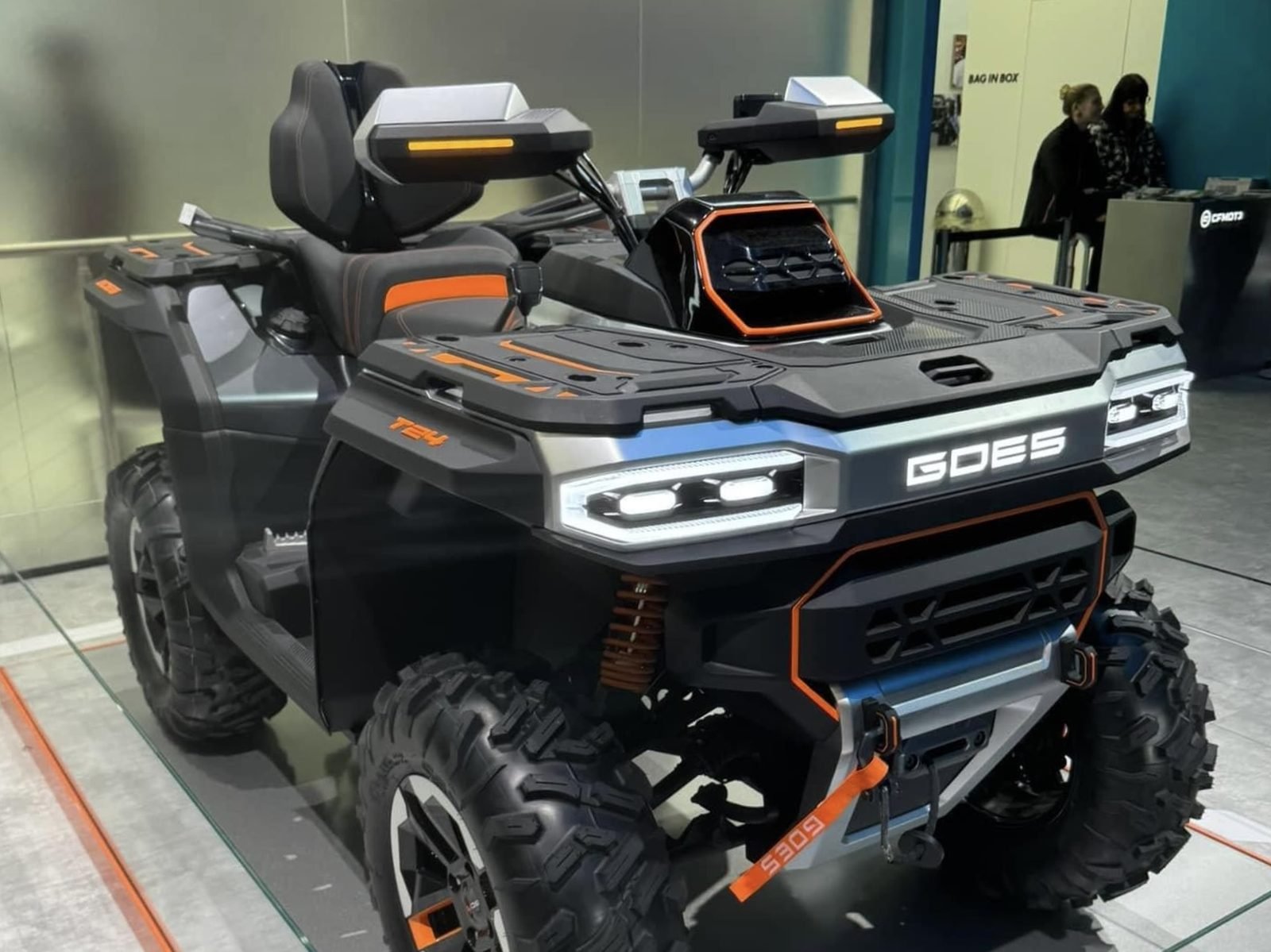
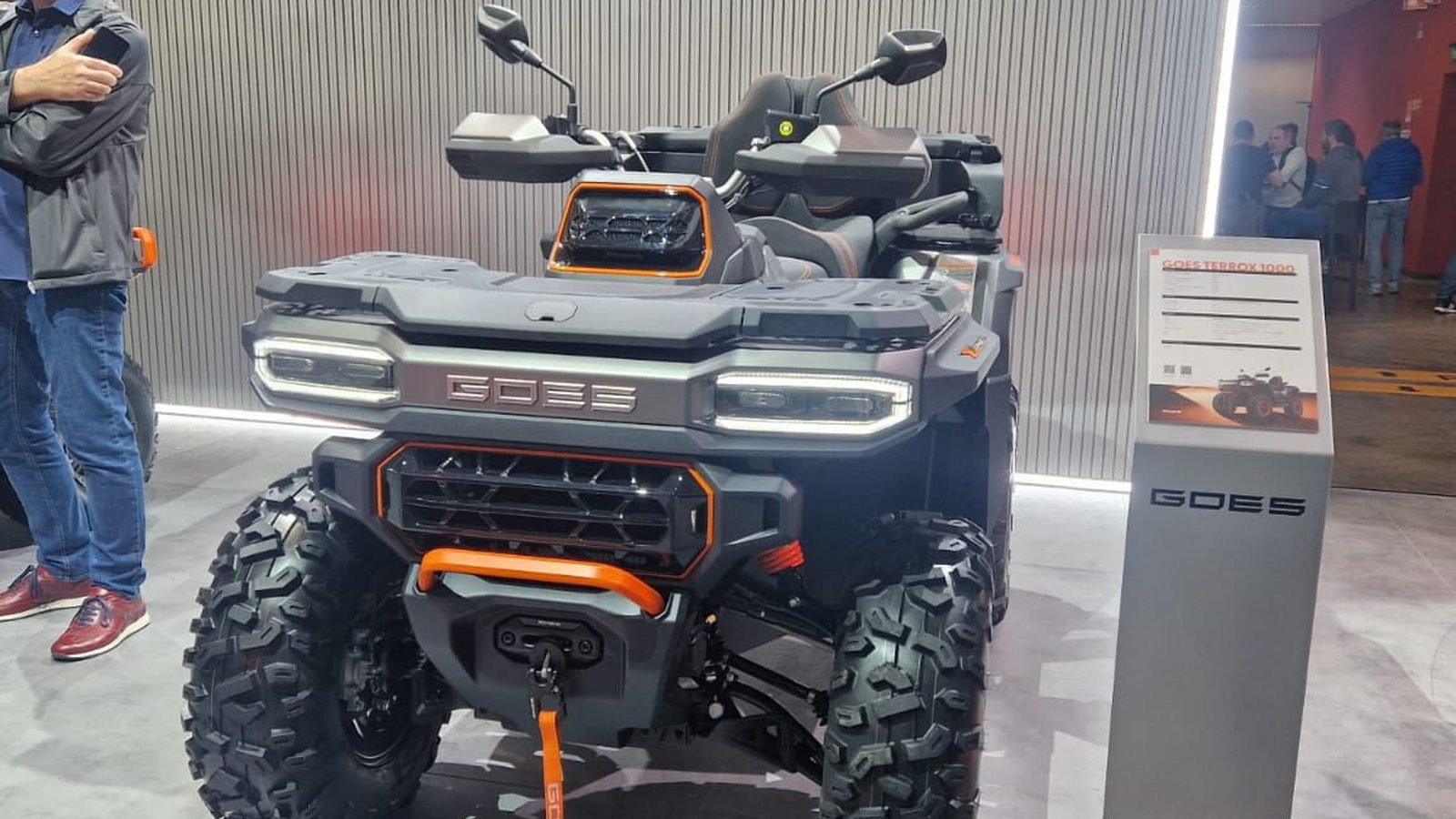
The Terrox 1000 is a two-seat side-by-side built around a 963cc liquid-cooled V-twin with SOHC heads and eight valves, fed by Bosch EFI. It makes 90 hp and 85 Nm, and sends power through a CVT with P-R-N-H-L ranges. A 26-liter fuel tank sits under a 475 kg dry machine, with 2WD, 4WD, and 4WD-lock modes and 28×9-14 front and 28×11-14 rear tires.
The engine is, for all practical purposes, the same 963cc V-twin used in the CFMoto ZForce 950. That family relationship is the single most useful fact in this article, because it means the failure patterns owners have documented on the ZForce apply to the Terrox 1000 too.
Valve-Lash Knock: The First Problem Owners Hit
The most documented issue on this engine family is a knocking or ticking sound from the top end that shows up early, often by around 200 miles. It’s not a rod knock and it’s not a death sentence. It’s valve lash that has tightened or gone out of spec from the factory, and it’s a known enough pattern that owners have the fix memorized.
On the ZForce 950, the fix that spreads through owner forums is resetting clearance to 0.004 inch on the intake and 0.006 inch on the exhaust. A long archive of r/CFMOTO on Z950 knocking noise walks through the diagnosis, and a 2024 ZForce 950 Sport thread has owners comparing notes on the same tick. If your Terrox 1000 starts making a top-end rattle in its first tank of fuel, check the valve clearances before you panic.
Catching this early matters. Left alone, a tight exhaust valve burns, and the cost goes from a simple adjustment to a head job. If you’re not comfortable with feeler gauges, a dealer adjustment is cheap insurance during the warranty window.
Soft Brakes That Need Bleeding
The second complaint that shows up across this platform is a brake pedal that goes soft or sinks toward the floor after a few months of use. In most of the archived threads, the culprit is air in the system or moisture in the brake fluid, not a failed master cylinder.
Owners on the CFMoto boards report that a proper bleed, done front to back, restores a firm pedal and stays that way for a long time. The Terrox uses the same basic brake package, so budget for a fluid check early in ownership. It’s a 30-minute job with a helper, and it beats chasing a mystery leak.
If the pedal is soft and the reservoir is full, bleed before you replace anything. Two of the three threads in this report turned out to be air, not parts.
Starter Click: The 963 V-Twin’s Cranky Side
A third pattern on this engine family is a single click when you hit the start button and then silence, or a starter that cranks slowly and gives up. On the CForce 600 and related CFMoto machines, owners trace this to a weak connection or a battery that’s past its prime, and sometimes to the starter solenoid contacts.
On a brand new Terrox, start with the easy stuff: battery voltage under load, clean and tight battery terminals, and the main ground strap. A click with no crank is usually a solenoid or ground issue, not a starter motor. If the starter does spin but struggles, test the battery before you condemn the motor, because the 963 twin is hard on weak batteries.
Keep a battery maintainer on the machine if it sits between rides. Short storage periods without a charge are exactly how this failure mode starts.
CVT Belt Life on the Big V-Twin
The CVT is the other thing owners watch on this platform. The 963cc V-twin makes enough torque that belt heat and wear become real factors if you work the machine hard, plow, or run heavy loads in sand. Symptoms are belt slip under load, a burning smell on long climbs, or a sudden loss of drive.
Keep the air intake for the CVT clear and check the belt at the intervals in your owner’s manual. When the time comes to replace it, a quality CVT belt is worth the money over a no-name part, because a shredded belt on the trail is a tow, not a fix. Carry the correct tools and know the procedure before you need it on a weekend ride.
The Terrox 500: Same Platform, Fewer Headaches
The Terrox 500S and 500L run a 499cc liquid-cooled single with Bosch EFI and a CVT with H/L/N/R/P ranges, 17 liters of fuel, and a 355 to 365 kg dry weight depending on the version. It’s the same platform family as the 1000, so the valve-lash and brake advice above carries over.
The single is less stressed than the V-twin and historically the simpler engine to live with. It won’t win races, but it’s the pick if you want the GOES experience with less powertrain drama. The value case for the 500 is a conservative one: a proven single in a new body.
cvt belt utv
A practical fix that most owners swear by. See today’s Amazon price.
What to Check Before Buying a Used Terrox
Buying one of these used is where you’ll find the deals, because first-year resale is soft while the brand builds trust. Before you hand over money, run these checks:
- Cold-start the engine and listen for the top-end tick. Valve-lash noise at low miles is a negotiating point, not necessarily a dealbreaker.
- Pump the brake pedal. It should firm up and hold. Soft pedal means a bleed, at minimum.
- Cycle the motor: start it hot, because heat-sensitive starter issues hide until the engine is warm.
- Check the CVT area for belt dust and burnt smell, evidence of hard miles or abuse.
- Confirm the winch, 4WD lock, and diff modes engage cleanly.
Warranty and Dealer Support on a New Brand
Buying a first-year brand means checking what happens when something does break. GOES machines come with a standard powertrain warranty, and the dealer network is still growing across North America. Before you buy from any dealer, ask two questions: who does warranty work, and how long do parts take to arrive? On the Terrox, most common parts cross over with the CFMoto range, which makes supply less scary than it sounds.
Owners on CFMoto forums have been getting clutch covers, belts, and brake parts through normal channels for years.
If you’re buying private party, the warranty conversation changes. A Terrox out of warranty is a gamble with the same odds as a used ZForce 950, which means a pre-purchase inspection is worth the money. Find a shop that knows CFMoto V-twins, because the valve checks and clutch work are identical to what they already do.
Owners considering the 500 usually have one of two jobs in mind: a farm or property machine that gets used regularly, or a first side-by-side for family riding. The 500 handles both, with the caveat that you shouldn’t expect the 1000’s pull. If your property work includes heavy implements or hills, the 1000 earns its fuel bill. If it’s trail riding and light chores, the 500 is the wiser buy.
Fuel and Storage: Small Tank, Big Habits
The Terrox 1000 carries 26 liters, which sounds fine until you’re on a long trail day. The 963cc V-twin drinks at a rate that makes range planning a real habit, especially in 4WD lock on technical ground. Owners on the platform threads treat the fuel gauge like a trip meter and carry spare fuel on longer rides.
The Terrox 500 does better on range with 17 liters and a smaller engine, but the tank is physically smaller too, so the planning habit carries over.
Storage habits matter just as much. These machines sit between rides more than they get ridden, and a battery maintainer is the cheapest insurance in the garage. Moisture in the fuel system is the silent killer of small EFI engines, so keep the tank topped and treat the fuel if the machine sits for weeks at a time.
A used Terrox with no service history is a gamble, so factor a valve check and brake bleed into your offer. If the machine needs a new winch or you’re replacing worn recovery gear, budget it up front. There’s more detail on the wider CFMoto family in our ZForce 950 owner report, the CForce 800 issues write-up, and the UForce 1000 problem list. If you’re doing your own wrenching, our step-by-step ATV carburetor cleaning guide is useful on the older carbureted machines in the family.
Maintenance That Keeps a Terrox Reliable
The Terrox reliability picture comes down to three intervals. First, check valve clearances early, around the 200-mile mark, because this platform has shown it can go out of spec fast. Second, bleed or flush brake fluid at least yearly, since moisture is the main soft-pedal cause. Third, clean the clutches and check belt wear at every service.
Use the fuel the EFI wants and keep the air filter clean. None of this is exotic, and none of it needs a dealer. The machine rewards a little discipline with a lot of miles.
Photos: GOES Terrox 1000 and GOES 725i at trade shows, CC BY-SA 4.0 via Wikimedia Commons.
Bottom line: The GOES Terrox is a solid first move from a new badge, and the worst problems on the platform are known, cheap, and fixable. Watch for valve-lash knock in the first few hundred miles, keep the brakes bled, and don’t let a weak battery turn into a starter scare. Buy one with that checklist in hand and you’re getting CFMoto’s proven 963cc and 499cc machines with a fresh skin, at first-year prices.
Most owners will never touch the valves and that’s fine, but knowing the sound they make when adjustment is due keeps a small job small. Pair the valve check with the first oil service, typically the first 25 hours, so the machine gets one solid setup pass before real use. After that, the interval list gets boring in a good way: air filter, belt inspection, brake fluid, battery.
One more habit pays off on this platform: heat. The 963 twin dumps heat into the engine bay, and the CVT sits nearby. Keep the belly pans and radiator fins clear of mud and grass, especially after wet rides, because packed debris turns easy temperatures into overheat codes. A 10-minute wash after a muddy weekend is worth an entire season of reliability.

