As an Amazon Associate I earn from qualifying purchases. This article contains affiliate links that may earn a commission at no extra cost to you.
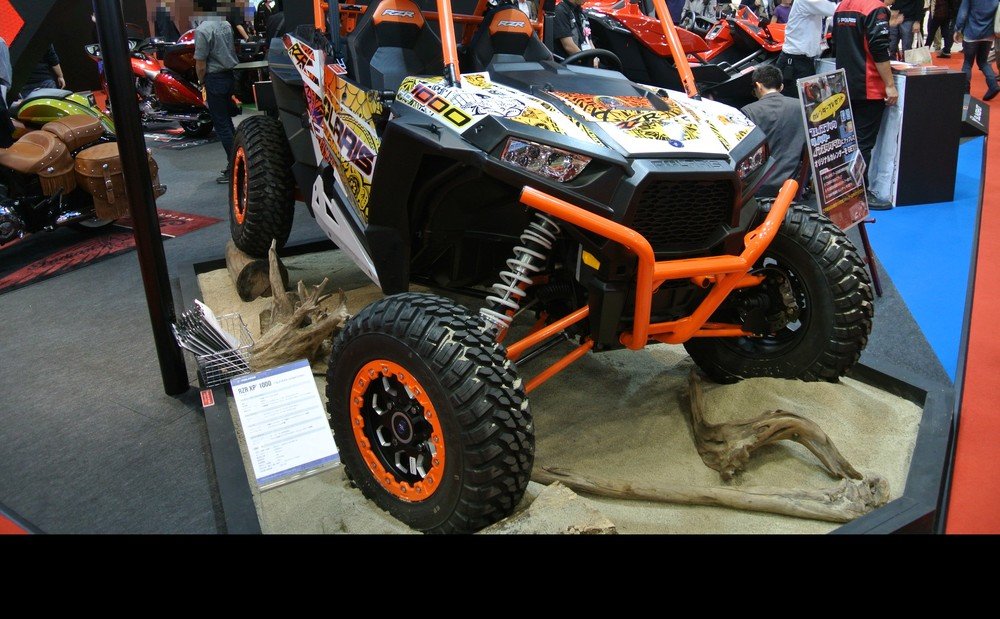
The Polaris RZR XP 1000 is the machine a lot of riders dreamed about: a two seat sport side by side with a 999cc ProStar twin that makes about 110 horsepower. I have put mine on desert trails and on tight rocky climbs, and on paper it is nearly the perfect all around canyon car.
In practice, owners on the forums report a small set of problems that show up again and again. None of them are deal breakers, and almost all of them are fixable, but you want to know what you are walking into before you buy used or before your machine strands you.
The good news is that the XP 1000 is a mature platform. Polaris has sold the naturally aspirated XP 1000 since the 2015 model year through the 2021 machines, and the twin engine and PVT drivetrain are well understood. The complaints that keep coming up are concentrated: front differential pinion wear on the earlier years, overheating when air gets trapped after a coolant service, intermittent power loss with misfire codes on some twins, and the odd no code gremlin.
This guide is built from real owner threads, not from a spec sheet, so you can fix the machine you actually own. If you are also weighing the smaller machines in the family, check the RZR 570 problems and the RZR 900 problems write ups for the softer tuned twins.
What is the most common problem with the Polaris RZR XP 1000?
The most common complaint depends on the model year. On the 2015 and 2016 machines it is front differential pinion cover wear, because the quick engaging on demand four wheel drive puts a lot of load on the pinion nose. On the 2019 and newer XP 1000 twins it is intermittent misfire and power loss, often tied to codes 65590 and 65592. Both are fixable, and neither should stop you from buying the machine if the price is right.
What makes these two patterns stand out is how predictable they are. If you buy a used first generation XP 1000, plan on upgrades to the front end regardless. If you own a newer twin that suddenly loses power in the heat, you now know which codes and which parts to chase first. You are not troubleshooting in the dark, and that is most of the battle.
Front differential pinion cover wear on the 2015 and 2016 XP 1000
Owners of the first generation XP 1000 describe the front differential pinion cover as the weak link. The on demand four wheel drive engages quickly, and that hard engagement loads the pinion nose hard enough that breakage is close to expected on the 2015 and 2016 units in harder use.
The thread titled Do the 2016 1000s still have all the issues of the XPs of the past, on the Polaris ATV forum, is a long running owner conversation about exactly this. Riders there treat the billet pinion cover and the frame and A arm braces as the standard first upgrades rather than optional extras.
Read the pinion and suspension thread on Polaris ATV Forum.
The fix is two part. First, on a used 2015 or 2016 machine, replace the stock pinion cover with a heavy duty billet unit before it fails on you. Second, add the frame and A arm braces that spread the load across the front end.
Owners also point out that the axle shafts are treated as the cheap sacrificial part, which means you replace them fairly regularly if you ride hard. Bushings and ball joints are normal wear items and go out of rotation just like any modern side by side. Regular greasing keeps them alive much longer.
Why does my RZR XP 1000 overheat right after a coolant service?
This one looks like a serious engine fault but is usually nothing more than trapped air. One XP 1000 owner on rzrforums.net pulled the radiator, cleaned it thoroughly, and refilled the coolant, and the machine overheated almost immediately afterward. The resolution was a complete bleed of the cooling system through the engine bleed screw, not more coolant. The thread is XP 1000 overheating almost immediately, and it is full of owners who hit the same wall.
Read the overheating and bleed thread on rzrforums.net.
The bleed screw is an 8mm fastener, and owners found it easiest to reach from in front of the passenger rear wheel with a quarter inch drive socket on a short extension. The procedure is to open the bleeder until coolant flows without bubbles, then cycle the fan, let it cool, and top off.
If you skip that bleed, air sits in the head and the machine runs hot no matter how fresh the coolant is. The same advice appears across the Polaris twin engine guides, and it applies to any coolant service on these machines.
Intermittent power loss and misfire codes 65590 and 65592
The scariest reported issue is a violent, intermittent loss of power where the engine sounds like it is running on one cylinder. A 2019 XP 1000 owner brought a long and detailed thread titled XP 1000 Major loss of power and misfire to rzrforums.net.
He rode 110 miles flawlessly, then the machine started missing near camp. The check engine light set codes 65590 and 65592, which are misfire codes on the XP 1000. Compression tested fine at 180 pounds on both cylinders, and fuel pressure held around 58 pounds. The machine ran perfectly again once it cooled and was loaded onto the trailer.
Read the misfire and power loss thread on rzrforums.net.
What fixes the intermittent twin misfire comes down to a few known causes. Owners and dealers work through the spark plug boots, the fuel pump, and stored codes before reaching the fix. On that 2019 machine the dealer replaced the throttle body under an emissions warranty for a stored throttle body code, and the owner later found the accelerator pedal assembly was the final culprit, after which the issue never returned.
A 2018 owner asking about code 65590 on the PRC forum got the same answer: it is a misfire code with several causes, and heat often exposes a weak fuel pump or a loose boot.
Read the code 65590 discussion on the PRC forum.
The takeaway if your XP 1000 loses power in the heat is to start cheap. Pull the plugs and check and reseat the boots. Verify fuel pressure hot, not cold. Look at whether the light is a stored throttle body or pedal code before you throw parts at it. If the problem is heat related and clears when the machine cools, suspect something electrical that is marginal when hot rather than a mechanical failure.
Intermittent shutdown with no stored code
Some first generation XP 1000 EPS owners report the machine cuts out at idle and hesitates at low speed with the check engine light on but no code stored, then clears itself after a few minutes of running. This is a lighter, less documented pattern, so read it as a single owner report rather than a trend. In the one thread that covers it on the PRC forum, a 2015 RZR 1000 EPS owner chased exactly that, and replies pointed toward a bad or fouled speed sensor.
Read the no code shutdown thread on the PRC forum.
Because this kind of gremlin throws no code, the work is diagnostic elbow grease. Check the battery and grounds first, since a marginal charge or a corroded ground produces the same dying and restarting behaviour. Then move to the speed sensor and the wiring harness connectors that get wet. If your machine runs fine most of the time and only does this occasionally, document when it happens, because the pattern is your best diagnostic clue.
The PVT belt and clutch under hard use
The XP 1000 uses the Polaris PVT automatic transmission with high and low range, and the belt is a service item when you run big tires or ride aggressively. The misfire thread owner above was running 32 inch tires with an aftermarket clutch kit and belt, and he checked his belt for glazing, cracking, and chunking when he pulled the cover during the diagnosis.
The point is that a high load setup shortens belt and clutch life, and a worn belt can produce its own driveability complaints that look like engine trouble.
If you ride hard or have fitted larger tires, join the owners who check the belt and clutch faces as part of every ride and carry a spare. Most owners who push their XP hard end up on a stronger aftermarket belt and clutch kit, and then the PVT simply becomes a maintain it rather than fix it part. For a stock machine ridden normally, the original belt is fine and lasts a long time.
Used buying guide: which RZR XP 1000 years to favor
If you are shopping used, the model year really matters here. The early 2015 and 2016 XP 1000s are the ones with the front differential pinion and suspension wear stories, so a used first gen should come with an allowance priced in for the billet pinion cover and brace work.
The 2019 and newer natural aspiration XP 1000s went onto the updated chassis with Ride Command available, and they are the ones with the intermittent twin misfire reports in hard heat. Neither is a reason to skip a clean machine, but both are reasons to price the repairs in or check the service history before you commit.
One buying point matters more than any single known issue: service history. The XP 1000 is dependable when it is maintained and it punishes neglect. Check that the cooling system has been bled properly after any service, ask whether the front end has been reinforced on a first gen, and run a compression check and a hot fuel pressure test before you hand over cash if the seller reports any intermittent issue.
If sport power is less important and you want a heavier duty workhorse instead, our Polaris General problems article compares that platform.
Polaris PVT Drive Belt for RZR XP 1000
A quality replacement belt and a spare go a long way when you ride the XP hard. Check today’s price on Amazon.
If the belt is the first thing you want to sort, a search for a Polaris RZR XP 1000 drive belt on Amazon turns up the OEM spec and aftermarket options. A second item owners keep on hand is dielectric grease for ATV electrical connectors, which matters for the heat related gremlins described above.
Bottom line: The RZR XP 1000 is a capable and reliable sport side by side, and its known problems are narrow and fixable. Buy the right year, reinforce the front end on a first gen, bleed the cooling system properly, and chase intermittent power loss with cheap checks first. Do that and you will put thousands of hard miles on it without a major failure.