As an Amazon Associate I earn from qualifying purchases. This article contains affiliate links that may earn a commission at no extra cost to you.
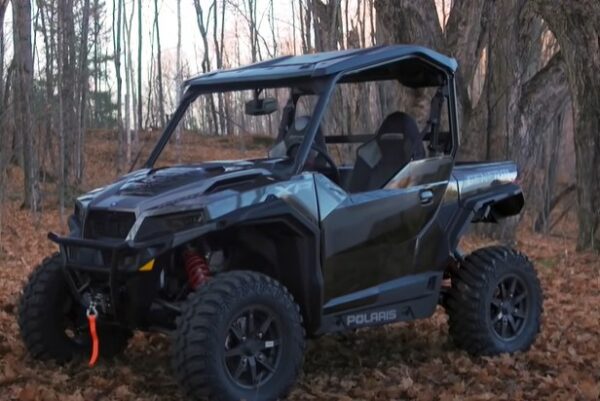
The Polaris RZR 900 is one of the most popular sport side by sides ever sold, and the 875cc ProStar twin under its hood is no slouch. But owners run into the same handful of problems again and again: wiring gremlins that kill the whole machine, valve seal oil smoke that makes you think the engine is going, belt heat that shreds drive belts, and a few suspension and drivetrain items that show up by the time you cross a few thousand miles.
This guide walks through the most common RZR 900 problems, what causes them, and the fixes that actually work.
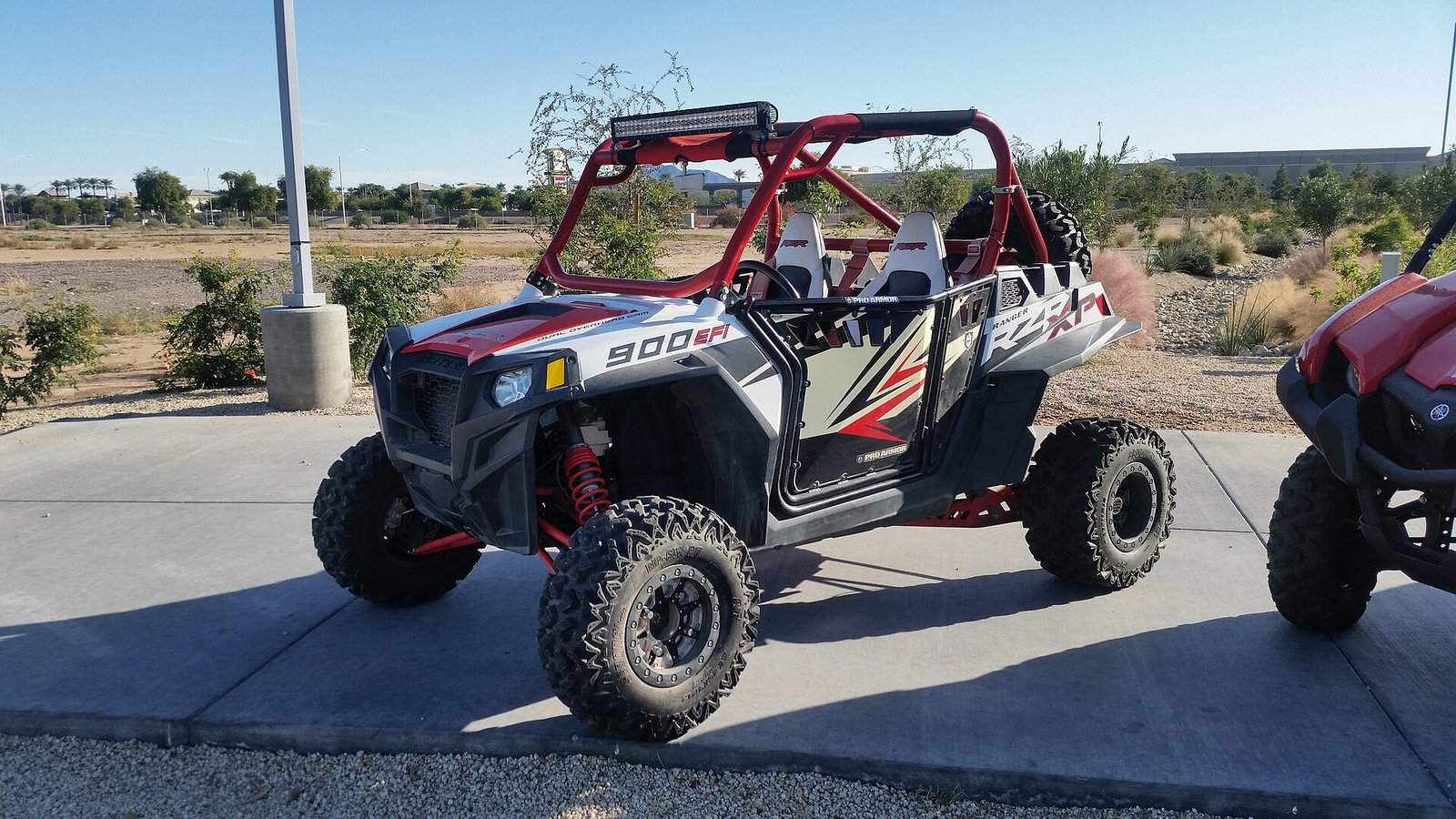
The RZR 900 is really a family. The base RZR 900 came out in 2015 with 75 horsepower from the 875cc twin, the wider RZR S 900 followed in 2016 with the same motor, and the older RZR XP 900 (2012 to 2014) used the same 875cc engine in a hotter tune making 88 to 96 horsepower. All of them share the ProStar engine and most of the same weak points.
If you own one, or you are shopping for a used one, the issues below are what you are most likely to meet.
Electrical Gremlins That Kill the Whole Machine
The most reported RZR 900 problem is electrical. On a 2017 RZR 900, one owner described touching the battery terminals together with a wrench, sparking the battery, and then losing all power to the key: no crank, no lights on the dash, nothing. He went through every fuse and relay, tested the battery, checked the positive cable to the starter solenoid, and still had a dead machine. That thread echoes dozens like it.
The root cause is usually a blown fuse or a corroded connector, but the 900 is fussy about where power goes after a short. Start at the main fuse and the starter solenoid, check the fuses under the hood and behind the dash, and inspect the ground cable where it bolts to the frame. Corrosion around the battery terminals and the frame ground is very common on machines that sit in damp garages.
Clean the terminals, replace any green or hairline-cracked fuse, and re-torque the ground lug.
If electrical headaches on the whole RZR platform worry you, the Polaris RZR 570 has its own set of gremlins worth reading about before you choose a model. Keep a cheap multimeter and a spare fuse kit in the glove box so you can chase these on the trail. A bad ground can strand you miles from the truck and only show up as a no-crank when everything else checks out.
Valve Seal Oil Smoke (White Smoke at Idle)
If your RZR 900 puffs white smoke at idle when it is cold, and the smoke clears once warm, you are almost certainly looking at worn valve stem seals. An owner of a 2013 RZR 900 XP found this the hard way: about 190 hours in, he noticed white smoke at cold idle, found the oil about half a quart low, and pulled two fouled spark plugs.
Research pointed him to the factory valve seals leaking oil into the combustion chamber while the engine sits, which burns off as a white smoke cloud on the next cold start.
The ProStar 875 is a thirsty older design in this regard. Many owners swap the factory seals for higher quality Viton seals with the head still on the machine. The job is doable at home with an air fitting that holds the piston at TDC so the valves do not drop, a valve spring compressor, and an afternoon of work. Budget a set of spark plugs to go with the seals because the plugs foul first and give you the early warning.
Watch the oil level too. If you are adding a quart between changes, the seals are the prime suspect on a 900 before you start blaming rings or a PCV issue.
Mid-Ride Power Loss and Frozen Gauges
Some 900 owners describe the machine dying completely while rolling, with the speedometer frozen at whatever speed it was showing when power quit. One owner posted that his RZR 900 went dead in the water mid ride and the dash locked up. Because the power loss is sudden and the display freezes, the common fix path starts with the charging system and the main harness, not the engine.
Check the stator and voltage regulator output at the battery with the machine running; you want to see around 14 volts. A weak stator that cannot recharge the battery will drop the machine below what the gauge cluster and ECU need, and the whole thing shuts down. Also inspect the main engine harness where it rubs near the frame, because chafed wires from years of vibration are a known cause of these random shutdowns.
Belt Heat and Short Drive Belt Life
Every RZR burns belts from time to time, and the 900 is no exception especially once you fit bigger tires. The CVT belt runs through a sealed cover, and heat builds fast in slow, rocky, or deep-sand riding. Owners who hammer on lower gears and add weight up top report the belt glazing and slipping within a season.
The fix is about managing heat and alignment. Keep the clutch cover vents clear, replace the belt at the first sign of glazing rather than waiting for it to snap, and check the clutch alignment after any suspension work. A quality aftermarket belt and a clutch kit tuned for your tire size stretch belt life noticeably.
If you ride in sand or mud, expect to be a belt buyer no matter what you do, and pack a spare belt plus the tools to swap it in about twenty minutes on the trail.
For a stock 900 that mostly sees trail miles, one good drive belt should last you a couple of seasons if you keep the cover clean. Rivals like the Yamaha Rhino 700 and Can-Am Outlander 570 deal with the same CVT heat reality, so none of this is unique to Polaris. Buy a fresh OEM or quality aftermarket belt here on Amazon so it is ready when you need it.
Clutch Engagement and Squawk on Takeoff
A squealing or bucking clutch on launch is common as the 900 racks up hours. The primary clutch weights wear, and the secondary clutch spring sags, so engagement gets grabby and the belt chatters. Owners describe a harsh clunk and a belt that chirps every time they pull away from a stop.
Fix it with a clutch service rather than a full rebuild. Clean the faces, replace the weights and the spring with a kit built for your riding style, and torque everything to spec. An aftermarket clutch kit firms up engagement and smooths out the bucking, and it is one of the cheapest drivability upgrades you can make to a 900.
Front Suspension and Ball Joint Wear
The RZR 900 carries a lot of weight through its front A-arms, and the ball joints are a wear item. By the time a 900 has a few thousand hard miles, the fronts get a saggy, clunky feel over rough ground, and a worn ball joint will eventually let a wheel fold under the fender, which is both embarrassing and expensive.
Check for play by jacking the front end and wiggling each wheel top and bottom. If there is any movement at the joint, replace it. Grease the fittings on a regular interval, because a dry ball joint dies fast. This is a job most owners skip on machines that have been run hard, so on any used 900 it belongs on your pre-purchase checklist.
Overheating in Slow Technical Terrain
The 875 fires hot when you are crawling through tight trails or stuck in mud. The radiator on the front of the 900 picks up debris, and once airflow drops the temp gauge climbs. A few owners report the machine going into limp mode or dumping coolant when the fan duty cycle cannot keep up.
Keep the radiator fins clean, which means a good spray-down after muddy rides rather than just washing the body panels. Check the fan kicks on when the bike is hot, replace the coolant on schedule, and consider a billet fan guard if you ride where the brush grabs the stock plastic shroud. Keep the overflow tank topped and you avoid most of the drama.
Rear Hub Studs and Lug Nut Snapping
There is a well documented quirk where the rear hubs on the 900 lose studs, especially on machines running wheel spacers or high offset wheels. The added load on the studs plus normal torque cycling works the studs loose and then snaps them. Owners hear a rhythmic click from the rear corner that turns into a lost lug nut on the trail.
Torque your lug nuts to spec with a torque wrench rather than an impact gun set to kill, and re-check them after the first ride on new wheels. If you run spacers, upgrade to quality hardened studs. Catching a clicking stud early costs you one fastener; missing it can cost you a hub and a long walk.
Exhaust Rattle and Loose Heat Shield
A rattling heat shield or bracket around the exhaust is a common annoyance on the 900 as the welds and fasteners fatigue from vibration. It sounds worse than it is, but it makes the machine feel cheap when you are trying to enjoy the trails.
Inspect the exhaust mounts and heat shields, replace any missing bolts, and add lock washers or thread-locker on the fasteners that keep loosening. If the rattle is coming from the muffler can itself, check the internal baffle and the mounting strap before assuming the muffler is shot.
rzr 900 drive belt
The exact part owners reach for to fix this. Check the current price.
What to Check Before Buying a Used RZR 900
Buying a used 900 is smart money if you know what to look for. Pop the hood and check the battery and wiring for corrosion or fresh electrical tape, because a heavily patched harness hints at a machine that has burned through fuses. Ask to see it run cold: a puff of white smoke at startup points at valve seals and is a bargaining point, not a deal killer.
Ride it hard enough to feel the clutch grab, and listen for belt chirp. Check the front ball joints by wiggling the wheels, look for mud caked in the radiator that suggests it was ridden in conditions it was not cooled for, and pull the wheels to inspect the rear studs. Plan a few hundred dollars for a clutch service and a set of quality belts even on a clean example, and buy from a seller who kept maintenance records.
If you want a cheaper trail machine instead of a sport side by side, the Polaris Sportsman 500 and Yamaha Grizzly 700 are dependable, lower-maintenance alternatives. A used RZR 900 with tidy electrics and a fresh clutch is a lot of machine for the money.
Maintenance Routine That Prevents Most of These
Most RZR 900 problems are preventable with a simple routine. Change the oil and filter on time, and use a quality 10W-40 or the spec’d 0W-40 for your climate; the 875 is hard on old oil. Service the CVT every couple of seasons by cleaning the clutch faces and checking belt width. Grease the suspension fittings and ball joints on a set interval. Clean the radiator and check the fan. Torque the lug nuts after any wheel work.
That handful of habits covers the electrical, belt, clutch, overheating, and hub issues above before they become trail breakdowns. Keep a good battery maintainer on the 900 when it sits between rides, which goes a long way toward preventing the electrical gremlins above.
A spare belt and the tools to swap it plus a compact multimeter belong in the storage under the seat, and they will rescue you more than once.
Featured image: Polaris RZR XP 900, by uploader, CC BY-SA 4.0, via Wikimedia Commons.
Bottom line: the Polaris RZR 900 is a dependable, fun side by side, but it is an older 875cc platform with known weak spots. Electrical gremlins, valve seal smoke, and belt heat are the three you will meet first, and all of them are fixable with basic tools and a little patience.
Give the electrics a clean look early, keep the clutch and belts fresh, and check the suspension joints on any used example, and the 900 will give you years of trouble-free trail miles.