As an Amazon Associate I earn from qualifying purchases. This article contains affiliate links that may earn a commission at no extra cost to you.
The Polaris RZR 570 is one of the most popular entry level side by sides on the trail, and a big reason is its 567cc single cylinder engine and light 970 lb weight. It is affordable, easy to work on, and plenty quick for most riders. But owners have found a set of issues that keep coming up, some of them serious.
The three you hear about most are melting plastic behind the seats from exhaust heat, front differential wear on older units, and a drivetrain that hesitates or shudders when you shift into gear. This guide breaks down those problems and the fixes owners actually use, drawing on real forum threads rather than dealer folklore, so you know what to expect and how to handle it when it happens.
Other Polaris machines in the lineup struggle with their own repeats, but the 570 is its own beast worth a dedicated look.
Plastic Behind the Seats Melting From Exhaust Heat
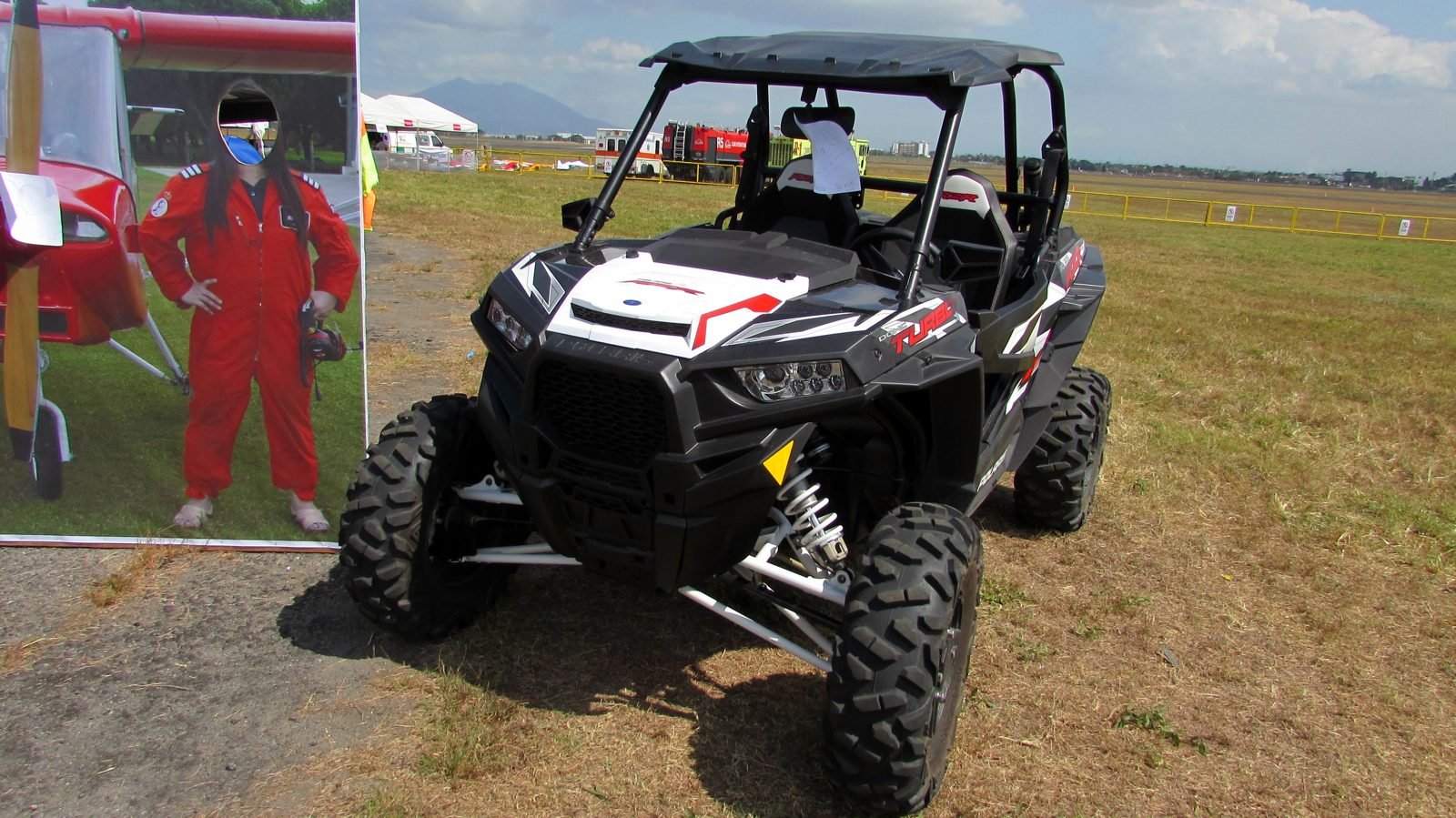
The most reported RZR 570 issue is heat damage to the plastic body work. Owner Bob, writing on RZR Forums, said his wife smelled something burning, then saw smoke coming from behind the seats. When they looked, the plastic rear panel and its heat shield were melted and badly damaged on their 2013 RZR 570.
He was not the only one. Another owner, Ben, reported his 570 bed melted right above the muffler. Bob guessed it was an isolated problem before he went looking, then found other people posting about the same melted panel, some of them worse. A few owners say the problem never shows up on their machine even after thousands of hard miles, which makes it seem hit and miss.
The common thread is where the exhaust passes and how much heat builds up in the rear panel area when the machine works hard, especially in mud or sand that blocks air flow. To keep it from getting worse, clean mud and debris out of the bed area after every ride and look behind the seats for the first signs of sagging plastic.
Ben’s practical fix was a quarter inch hail screen over the hole so the bed could still carry cargo, and he turned the spare heat into a bonus, wrapping his food in foil to make a hot sandwich on the trail. The point is to inspect the panel and shield early, because a small melt caught soon does not turn into a bigger repair bill.
Running Hot at Altitude or on Slow Trails
Plenty of owners watch their temp gauge climb on slow, technical terrain and at higher elevation. One 2012 RZR 570 owner on the Paiute trail in Utah saw coolant temps hit 218 to 220 degrees at times, and he posted to ask whether the altitude was the cause or if something was wrong with his machine.
Owners with healthy machines report a consistent pattern. The engine runs around 190 normally, climbs toward 200 before the electric fan kicks in, and once the fan runs it pulls coolant back down to roughly 175 to 180. One rider in Arizona who regularly runs from 5,700 to 7,000 feet sees exactly that. Another, riding up to 10,000 feet in the Eastern Sierra, said he rarely touched 200 even on slow, rocky trails.
So 218 to 220 sustained is higher than what most owners call normal, and it is usually worth tracking down. The first thing owners check is the radiator. Grass and mud plugging the front radiator is a common cause of poor cooling on these machines, and it is an easy fix compared to chasing a sensor or water pump. If you ride in brush country, check the radiator fins regularly and blow them out before a long climb.
Front Differential Wear and Oil Leaks
Front diff trouble tends to show up on higher mile and older 570s, especially in rough terrain where the front end gets loaded. One owner of a 2013 570 noticed oil dripping down the passenger side of the front differential and found noticeable play when he grabbed the axle.
He pulled the diff and found a bearing with a small amount of play, and he worried the housing behind it had worn out. After cleaning everything and seating the bearing back in, it ran snug with no play, so he was hoping a set of seals alone would get him by. When asked about upgrades, other owners pointed to aftermarket internal diff parts from companies like SuperATV and Highlifter if you keep stressing the front end.
If you see a drip or feel axle play on your 570, do not drive it far before checking. Top up the front diff oil and look at the bearing and seal once you pull the cover. Catching it early usually means a bearing and seal replacement instead of a full housing, which is a much cheaper fix and a lot less downtime.
Clutch and Transmission Hang Up Shifting Into Gear
A frustrating 570 quirk is the drivetrain refusing to move smoothly after you shift into H or L. One 2014 570 LE owner described the machine becoming sluggish and not wanting to go until he backed up a few feet in reverse, after which it ran fine until the next stop. A friend with a 2016 570 had the exact same issue, and the dealer cycled through shifter parts and shift linkage lube trying to fix it without much success.
The owner’s manual actually addresses this. If the machine hesitates after shifting, put it in reverse and back up about ten feet, then shift into gear again. The condition has been described as drivetrain wind up, where after tight maneuvers the machine feels sluggish and can shudder, especially in high range. Low range does not seem to do it as badly.
One owner pulled his primary clutch and found a roller that was galling slightly, and after a dealer rebuild with new rollers and grease the issue eased up for a while. Another forum regular pointed at the ECM wiring harness, which can rub behind the driver’s seat on certain units.
If you hit the hesitation, try the reverse trick first to get moving, then inspect the clutch rollers and the harness routing before you assume the transmission needs a rebuild.
PVT Belt Shearing and Clutch Wear
Every Polaris uses a PVT belt drive, and the RZR 570 is no exception. Belt shearing is one of the most common complaints across the whole RZR line, and the 570 shows up in the forums often enough that owners talk about it as a fact of life rather than a surprise. It tends to happen when a hot, heavy machine loses grip climbing, especially after sitting in mud that gets pulled into the belt housing.
The signs are a sudden loss of drive, a burnt rubber smell, or a machine that will not pull up a hill it handled an hour before. Mud in the belt housing is a frequent culprit, which is why the shift and wind up thread above also turned into a discussion about a dealer finding debris in the housing after a messy ride.
You can limit belt trouble by keeping the clutch intake and belt housing clean, avoiding long high load grinds at very low speed, and not backing into deep mud. When the belt does go, a spare belt in the bed is hours of trail time saved. Keep the pressure right too, because too much under-inflation makes the belt work harder and gets it hot faster.
Stuck in Park on an Incline
Owners occasionally find their 570 stuck in park, usually after parking on a slope. One 2016 owner parked in a driveway, came back, and the shifter would not budge until he and a helper rocked the machine back and forth.
The cause is straightforward. Park is a pin or gear that engages into a notch in the transmission housing, and when you park on an incline the weight of the machine presses it against that notch hard enough that it will not release. It is not a broken gear and it is not electrical, so there is no need to panic.
To avoid it, set the parking brake before you shift into park and do not rely on park alone on a hill. If it does lock up, have someone rock the machine or sit in the seat and rock it yourself while you pull the shifter. A heavy duty parking brake is a simple add on that removes the worry entirely on sloped campsites and driveways.
Maintenance That Prevents the Common Failures
Most of these problems come down to neglected maintenance on a machine that gets ridden hard. Keep the CVT belt and clutch clean and dry, because mud in the belt housing shows up in exactly the shift and wind up issues owners describe. Blow out the belt area after muddy rides and replace the belt on the interval in the manual instead of waiting for a failure on the trail.
Change the PVT fluid and inspect the clutch rollers on schedule, keep the front diff oil full, and clean the radiator before hot rides. If you ride mostly in mud or sand, a fresh RZR 570 CVT belt and a spare in the bed cost little and save a stranded day.
Same idea with an ATV oil change kit so the single cylinder never runs on old, thin oil in hard use. If a jetting or black-plug problem ever shows up, reviewing how the shop goes about cleaning and servicing an ATV carburetor is a useful reminder even though the 570 runs on EFI.
Each model has its own routine, and for the most part the platform a Polaris Ranger has a different set of weak points than the sporty 570.
rzr 570 cvt belt
The exact part owners reach for to fix this. Check the current price.
What to Check Before Buying a Used RZR 570
If you are shopping for a used 570, a few minutes of inspection will save you money later. Check the plastic panel and heat shield behind the seats for signs of melting, because that tells you how the previous owner treated it. Lift the front and feel the axles for play, and look under the front diff for oil that should not be there.
Listen for clutch rattles when you take off and test the reverse trick if the machine hesitates shifting into gear. Look over the radiator fins for the deep mud packing that causes overheating. A 570 that has been maintained and kept clean is a very reliable trail machine, while one that overheated or melted plastic needs a careful look before you hand over cash.
If you are weighing other options in the same price band, the Polaris Sportsman 550 shares the same family traits but rides very differently, and the Polaris Predator 500 has its own quirks as a pure sport ATV.
When you buy, grab a cheap battery tender for storage and a basic tool kit for the trail. It is the kind of small gear that keeps a good used machine dependable for years.
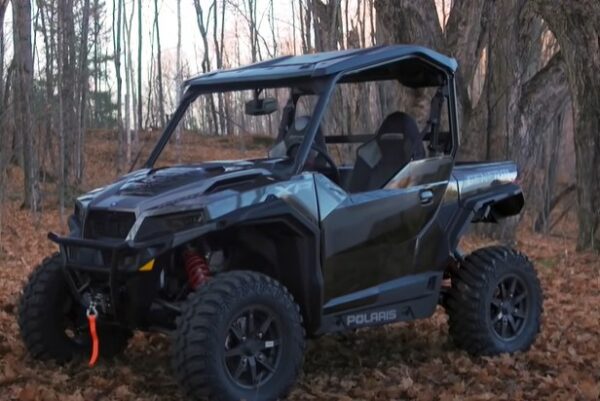
Featured image: “Polaris RZR ATV” by Wikimedia Commons contributor, licensed CC BY-SA 4.0.
Bottom line: The Polaris RZR 570 rewards owners who stay on top of maintenance. The heat melting plastic, the occasional front diff wear, the belt shearing, and the shift hesitation are all real, but they are manageable with routine checks and a few dollars in parts. Keep the radiator clean, watch the plastic behind the seats, set the parking brake on hills, and the 570 stays a light, fun trail machine that punches well above its price point.