
As an Amazon Associate I earn from qualifying purchases. This article contains affiliate links that may earn a commission at no extra cost to you.
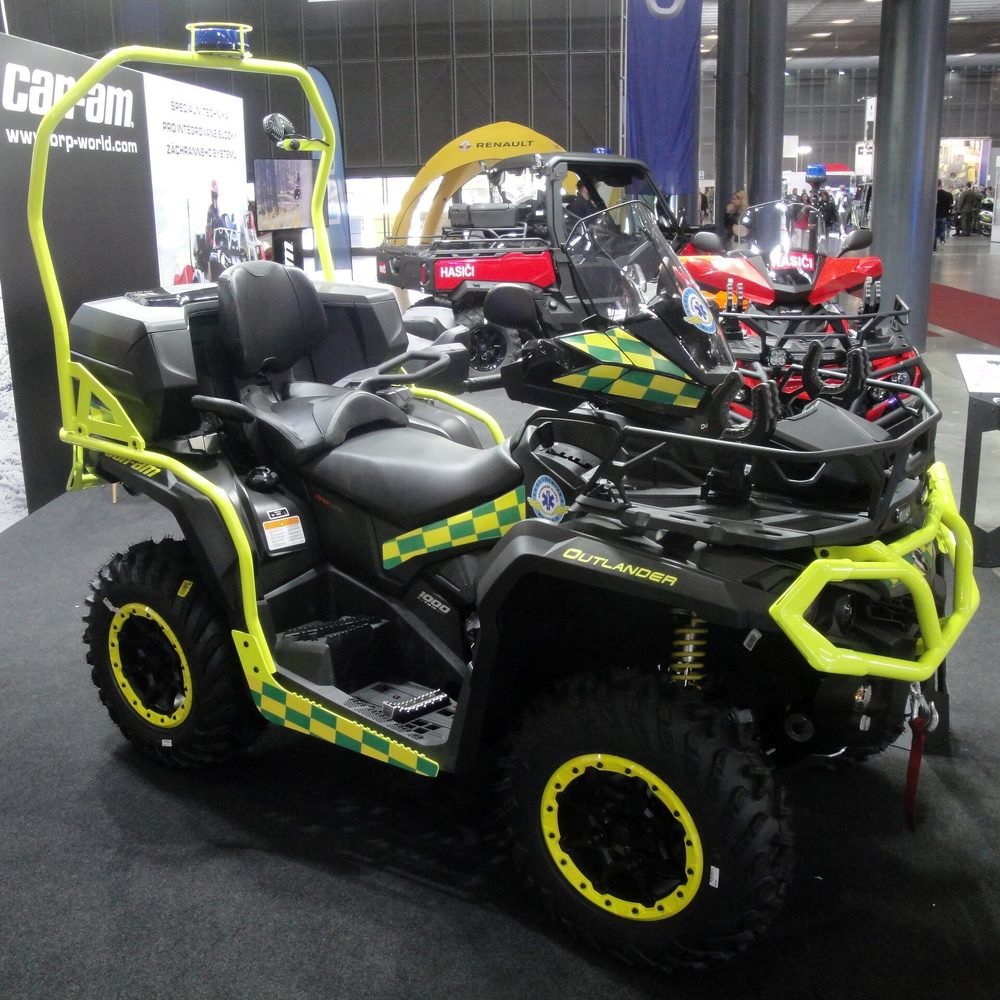
The Can-Am Outlander 1000 is one of the most powerful production ATVs you can buy, with a 976 cc Rotax V-twin under the tank. But that muscle comes with a few recurring owner complaints. From CVT belts that shred within minutes to engines that tick when hot and machines that stall in cold weather, these are the problems real owners talk about most, what causes them, and the fixes that actually work.
This guide walks through each issue the way a longtime owner would, with the part names and steps you need to sort it out in the garage.
CVT Belt Shredding: The Outlander 1000 Issue Owners Talk About Most
Search any Can-Am forum and the belt complaint is unavoidable. Owners report fresh belts blowing apart after less than 30 minutes of riding. A common theme in the threads is that the primary and secondary sheaves are glazed over with rubber and heat, which kills grip and lets the belt slip hard before it gives up. Glazed sheaves feel smooth to the touch but they cannot transfer torque, so the belt slips, burns, and delaminates fast.
One owner on the Can-Am forum shared photos of a shredded belt that failed so fast his 1000 could barely creep in gear and pinned the rev limiter at 20 mph on acceleration. He had bought the machine already swapped with a high performance clutch kit, only to find the CVT was still acting up.
The members who replied were unanimous: the primary came apart dirty and glazed, the weights looked past their prime, and the clutch kit did not match the 1000 engine.
The fix that the community kept coming back to was to pull both clutches completely apart, clean every moving part back to bare aluminum with a scotch-bright pad, deglaze the sheave faces, and then confirm the weights and spring actually match a 1000. Using an 800 clutch kit or the wrong weight and spring profile on a 1000 engine is a fast way to wreck belts, because the clutch grabs at the wrong rpm and never lets the belt ride where it should.
Do not half do this job. A rebuild kit with fresh weights and springs is inexpensive compared to repeatedly buying belts, and the aftermarket makes upgraded clutch kits built exactly for the Outlander 1000 that hold torque better and shift smoother. If your machine has any signs of creeping in gear, overrevving, or slow gearing up, treat that as a clutch problem before you blame the belt.
Hard Start and Stalling in Cold Weather
A 2022 Outlander 1000R owner described taking three starts to keep the engine running whenever the temp dropped below 50 degrees F, with no trouble codes stored. Dealers pointed at spark plugs, and replacing them changed nothing. Other owners chimed in with the same story on 2020 and 2021 machines, one calling it annoying on a nearly new ATV.
This is a cold-start quirk more than a reliability failure, but it will leave you sitting at the trailhead on a frosty morning if you do not know the routine.
The running theory on the boards is that the idle valves and the MAF sensor struggle in cold, dense air. When the sensor reads the incoming air wrong, the computer leans out the mixture and the idle valve cannot hold the engine up, so it fires and dies within a few seconds.
Several members said warming the MAF area with a portable heat gun made the machine start and run for the rest of the day, which is a handy diagnostic trick even if you do not want to do it every morning.
Other owners found a repeatable routine that sidesteps the stall entirely. Turn the key and let the fuel pump finish priming for a few seconds before you hit the starter. Then press start and keep holding the button past the moment the engine fires, holding it until the idle settles out, before letting go.
One owner switched to BRP XPS 0W-40 at the fall oil change and said the machine started on the first try from then on, even in freezing temps, though he could not promise the oil alone was the fix.
Engine Ticking: Injectors, Valves, or the Cam Chain Tensioner
A noticeable ticking from the right side of the engine, starting within a few miles and getting louder as the motor warms up, is a frequent thread subject. One 2021 Outlander XT 1000 owner brought it back to the dealer with 4 miles on the clock and no issue could be found. A 2018 owner said his machine had done the same since 300 km and that the ticking got louder with engine heat.
Another 1000 owner replied that his machine made the same noise and the dealer could not pin it down.
The forum replies split between injector noise, valves that need a check, and the cam chain tensioner. Injector clicking is common on Rotax V-twins and is usually harmless, and a dose of injector cleaner in the next tank is a cheap first step that several long time owners recommended doing once a year as prevention anyway. If the tick stays faint and steady, it is often just the injectors doing their job.
But the tensioner warning is the one to take seriously. A member linked a separate thread where a clicking noise was traced to the cam chain tensioner working loose, and others warned the same condition can eventually ruin an engine if you ignore it long enough to lose oil pressure. The tell is a ticking that gets louder as the engine gets hotter.
That lean toward valve lash or the tensioner, and it is worth a shop check rather than shrugging it off. Listening carefully and getting it diagnosed early separates a cheap adjustment from an expensive rebuild.
What a Blown Belt Tells You About Clutch Health
Downstream of the belt shredding threads is a pattern owners keep repeating: a belt does not just blow for no reason. Nine times out of ten the real problem sits in the clutches. Glazed primary sheaves, rusty or worn weights, and springs that have lost their rate all rob the CVT of grip and put heat into the belt until it delaminates.
When you replace a belt, do the job all the way. Take both clutches off, clean the sheaves with a scotch-bright pad down to bare metal, deglaze the faces, and inspect the weights and springs. If anything looks worn or rusty, replace it while you are in there. A clean, correctly matched clutch runs cooler and a good belt will last far longer than one fighting a sticky CVT, saving you money on both parts and trail time.
Pay attention to riding habits too. Heavy mud, deep water crossings, and constant stop and go beat on the belt harder than trail cruising. After a muddy ride, pull the CVT cover and blow the dust and silt out so it does not work its way into the sheaves. Machines that sit with a dirty clutch housing tend to eat belts more than machines that get cleaned every season.
Cold Start Stalls and the MAF Sensor
On the cold-start machines, the MAF sensor keeps coming up as the common denominator. When it reads the dense cold air wrong, the computer leans out the mixture and the idle valve cannot hold the engine up, so it fires and then dies. Cleaners and new sensors fixed it for some owners, while a few never got an official diagnosis because the machine stores no code and the dealer had no data to work from.
If you park your 1000 outside in winter, a consistent prime-and-hold start routine is free insurance. Turn the key, let the fuel pump finish its run, then start and keep the button held until the idle settles. Warm the bike a minute before loading it, and keep a battery maintainer on it so cold cranking stays strong.
A well charged battery makes the whole cold-start dance easier, because the starter has to spin that big twin fast enough for the computer to meter fuel reliably.
Preventive Maintenance That Keeps a 1000 Outlander Running
The Outlander 1000 is a short-stroke V-twin that runs hot when you push it, so the basics matter more than on a little single. Change the oil and filter on the factory schedule and use a quality synthetic, because the Rotax really does run smoother and quieter on modern 0W-40 weight oil. Several cold-start owners reported noticeably cleaner first starts after the switch to a proper 0W-40.
Clean the air filter and check the foam prefilter after muddy rides, since that V-twin gulps a lot of air and a clogged filter leans out the mixture the same way a bad MAF does. While you are in there, check the coolant level and the radiator fins for packed mud, because these machines run hot and a blocked radiator is a common cause of overheating complaints on hard climbs.
The CVT deserves attention every season. Pull the cover, blow the dust out, and wipe the belt and sheave faces clean. Check belt wear at the start of each season and again before a long trip. A spare belt and the tools to swap it live cheaply in the storage compartment, and that is the single best insurance on any CVT machine. Keep a good quality CVT belt on hand and you will never give up a ride weekend over a shredded belt.
What to Check Before Buying a Used Outlander 1000
If you are shopping used, the belt and cold-start history tell you a lot about how the 1000 was maintained. Ask about any ticking and get the owner to show you the machine cold before you start it. A seller who grins and says it always starts third try has, in fact, told you exactly what you need to know about its condition.
Verify the coolant level and look for signs of mud in the clutch area, because a silted CVT housing is a red flag that the machine saw hard work without proper cleaning. Pull the air filter and check for oil contamination, and give the fuel lines a visual once over for cracks. These big twins live a hard life, so a used example that has been cared for is worth more than one ridden hard and parked wet.
Run it long enough to get it fully warm and listen for the hot ticking. Check that 4WD engages cleanly and the sub-transmission shifts into low, high, and reverse without grinding. A used Outlander 1000 that starts first try cold, idles steady, and pulls a belt cleanly through the revs is a strong buy. If any of those checks fail, walk away or knock the price down to cover the clutch and sensor work you can expect.
Bottom line. The Outlander 1000 is a fast and capable machine, and most of its complaints are maintenance issues rather than design failures. Keep the CVT clean and correctly matched, give the cold-start routine a little patience in winter, and get any ticking checked before it becomes serious. Do those three things and the big Rotax will give you years of hard riding.
If you are comparing platforms, it is worth reading how the Outlander 570 and Outlander 450 compare, and a Defender HD8 if utility is more your speed.

