
As an Amazon Associate I earn from qualifying purchases. This article contains affiliate links that may earn a commission at no extra cost to you.
The Honda Rancher is one of the most reliable ATVs ever sold, and millions of them are still working on farms and trails. That does not mean they are trouble free. The most common Honda Rancher problems are electric shift (ES) failures, weak batteries that stop the shift system from working, fuel system gum from sitting idle, and a few oil related quirks.
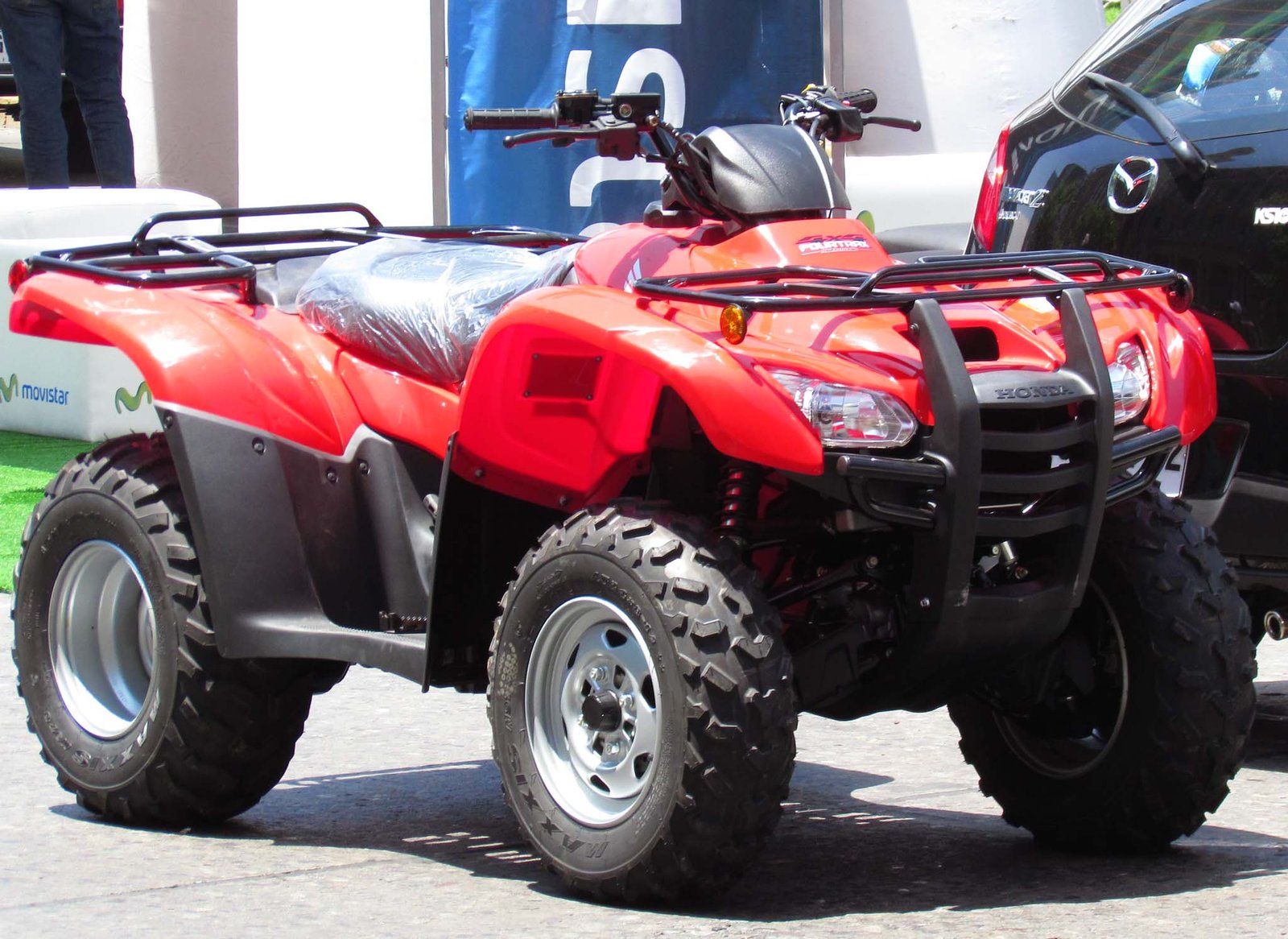
This guide walks through the problems real owners report most often, what causes them, and the fixes that actually work. I focus on the Rancher 420 and the ES models because those are what most people ride, but most of this applies across the Rancher line.
Electric Shift (ES) Not Completing a Shift
The single biggest complaint on Rancher forums is the electric shift system. Honda sells far more ES models than foot shift models, so there are more of them to develop problems, but the issue is real. Owners report pressing the shift button and hearing the shift motor try to work while no shift actually happens. Sometimes a triple dash ( – – – ) shows on the display. The problem shows up more in cold weather.
The usual cause is stiff, gummy grease packed into the shift motor gears at the factory. A super moderator on the Honda ATV forum explained the standard fix: remove the shift motor and gears from the lower front of the engine (four 10mm bolts), clean every bit of the old heavy grease out with a solvent like paint thinner, then repack the gears with an all temperature white lithium grease from any auto parts store.
Get the gear position right while cleaning, and do not overtighten the bolts on reassembly.
Before you tear into the shift motor, rule out the simple causes first: check that the battery is fully charged and that the oil level is correct, since the shift system depends on both. White lithium grease is cheap and a tube covers several cleanings.
Weak or Failing Battery Stops the Shift System
ES Ranchers do not work at all without a healthy, fully charged battery. One owner with a 2008 Rancher 420 ES found that his machine would shift fine when idle but would not shift above about 3 mph. He chased the problem through the shift motor and angle sensor before checking the battery and finding it would not hold more than 75 percent after a 24 hour charge.
Another forum member confirmed the pattern: ES machines rely on steady voltage, and a battery that will not fully charge needs to be replaced.
If your Rancher shifts erratically or the display behaves oddly, check the battery voltage first. A cheap multimeter beats throwing parts at it. If the battery is more than a few years old and will not hold a charge, do not fight it. A good battery maintainer keeps the machine ready between rides.
The older ES models also have a well documented no reverse quirk that often comes back to the shift motor and battery voltage as well, so test voltage before assuming the worst.
ES Won’t Shift at Speed (Clutch Adjustment Needed)
A related but different problem shows up when the Rancher refuses to shift once you pick up speed, but shifts fine at idle or creeper speed. On the forums, an owner with a 2008 Rancher 420 ES described exactly this: perfect shifts when idle, no shifts above a few miles per hour. After testing the angle sensor and shift motor, the fix turned out to be clutch adjustment, not electronics.
On Rancher ES models the clutch adjustment is a simple job. Loosen the locknut on the front engine cover just above the shift motor, adjust the clutch to the factory spec, and retighten the locknut. Regular clutch adjustment is part of maintenance on these machines, so it is a good first thing to check whenever shifting acts up.
FI Light Flashing With No Throttle Response
Fuel injected Ranchers can throw an FI light and refuse to accelerate even when they idle fine. A 2007 Rancher 420TM owner on the Honda forum reported the machine idled perfectly but would not take throttle with the FI light flashing. The fix turned out to be a code 8, which the manual points to as a voltage issue at the throttle position (TP) sensor.
The smart path here is to read the service manual and pull the stored code before you buy parts. Forum regulars are blunt about this: throwing parts at the machine without reading the code and doing basic diagnosis will not fix anything. On many FI Ranchers you also need an ECM reset procedure after the repair, which is in the manual.
A sign of bad fuel instead of a sensor problem is when the machine falls on its face under load. If the FI light and a fuel smell show up together, suspect the pump or a blocked line before electronics.
White Smoke on Acceleration
A 2002 Rancher owner reported white smoke from the exhaust only when accelerating hard, with nothing at idle. The forum response flagged the Rancher’s unusual dry sump oiling system first. Unlike most ATVs it has an internal oil tank and a specific procedure for checking the level: run the motor at idle for five minutes, do not blip the throttle, shut it off, wait one minute, then push the dipstick in without threading it and read the level.
If the oil is overfilled, drain to the proper level. Also pull the air cleaner lid under the seat and check the airbox for oil pooling or a dirty foam filter. If the oil level and air filter are fine, the smoke may be worn rings or valve guide seals, which a compression test will point to.
One member made the point that true white smoke is often water burning off in the exhaust, so pull the spark plug and check the oil level on the dipstick before you pull the head.
Doing this oil level check right, the dry sump way, is one of the most common Rancher maintenance mistakes, so it deserves its own service interval reminder.
Fuel System Gum After Sitting Too Long
Ranchers that sit for months are a common sight, and the fuel system does not like it. One Reddit owner left a 2000s Rancher EFI on a trickle charger for over six months and found the fuel lines gummed up. It turned over fine but would not fire, only running on starter fluid sprayed down the intake before dying again.
The fix is cleaning or replacing the gummed fuel lines and making sure clean fuel reaches the injector or carburetor. Owners who leave machines parked agree that a fuel stabilizer before long storage is the cheap insurance that prevents the whole job. On carbureted Ranchers you may also need to drain the bowl and clean the pilot jet.
If you store a Rancher for winter or a season, add fuel stabilizer to a full tank and run it through before parking. It saves you the fuel system teardown later.
Cold Start and Idle Trouble
Even reliable Ranchers can be slow to start in the cold, and owners regularly blame the battery first when it is really the fuel system or a gummed carb. The interaction between a weak battery and the ES system means a cold morning can expose both problems at once. If the machine cranks slowly, charge the battery first; if it cranks fine but will not catch, look at fuel and spark rather than electronics.
The Dry Sump Oil System Melts a Few Minds
New Rancher owners often overfill the oil because they check it like any other ATV. The dry sump design stores oil in an internal tank, not the crankcase, so the level reads completely differently. Checking it wrong gives a false reading and leads to an obvious mistake: dumping in too much oil. Use the five minute idle procedure and read the dipstick without threading it in.
Overfilled oil shows up fast as smoke and rough running, and it is the easiest Rancher problem to fix once you know the trick.
white lithium grease
Owners of this machine rave about it. See today’s price on Amazon.
What to Check Before Buying a Used Honda Rancher
A used Rancher is one of the safest ATV purchases you can make because the platform is so reliable, but check the ES system carefully since it is the expensive weak spot. Ask when the shift motor grease was last renewed and whether the battery is new, because those two items cause most ES complaints. Ride it and shift through every gear at speed, not just at idle, and confirm reverse works.
Check the oil with the correct dry sump procedure to spot an owner who did not know the trick, and look under the seat at the air cleaner for signs of neglect. A Rancher that idles fine and shifts cleanly at speed is a keeper; one that acts up on the test ride will cost you in shift motor parts and time.
If you are comparing Honda machines, every model in the lineup has its own quirks. The Honda Foreman 450 problems are worth reading if you are looking at a Foreman, and the Honda TRX 700 post covers the bigger engine if you want more power.
Prevention and Maintenance Schedule
Most Rancher problems are preventable with basic ownership habits. Renew the shift motor grease once if you have not already (it was a factory defect on early units and Honda reportedly revised it), keep the battery topped up with a maintainer, adjust the clutch at the listed interval, use the correct dry sump oil check, and stabilize fuel before storage.
Air filter service matters more on these machines than most people think because the intake sits low, and a gritty filter wearing the motor is a leading cause of the oil burning and blow by some owners assume is a design flaw.
Owners across the brand tend to choose Hondas for low stress ownership. If you are deciding between brands, our rundown of Yamaha Grizzly 700 problems and Polaris Sportsman 550 problems gives you the other side of that comparison.
Rear Brake Wear and Brake Noise
Rancher owners mention the rear brakes wearing sooner than they expect, especially in ES models where the transmission braking does the heavy work on big hills. The drums and shoes are simple to service, and a worn set shows up as a dragging rear or a brake pedal that sits low. Check the rear brake shoe condition when you service the air filter, and route the adjustment before it scorches the shoes. It is a routine job, not a design failure.
Bottom Line
The Honda Rancher is one of the most dependable ATVs money can buy, and most of its problems come down to the ES shift system, a weak battery, or a simple maintenance mistake. Start troubleshooting shifts with the battery and a fresh shift motor grease wipe, learn the dry sump oil check before adding a drop of oil, and stabilize the fuel before storage. If you keep up with those three habits, a Rancher will run for years on hard work.
For context on Honda’s other workhorse, the Honda Pioneer 500 is the side by side cousin, and the Arctic Cat Prowler 650 problems post covers a rival UTV line for comparison.

