
As an Amazon Associate I earn from qualifying purchases. This article contains affiliate links that may earn a commission at no extra cost to you.
The Polaris Sportsman 500 is one of the most popular big-bore utility quads ever made, and it earned that reputation. The 500 single is heavy and strong, and used examples are cheap compared to almost anything else in the class. But these machines are getting old now, and the parts that wear out are remarkably predictable.
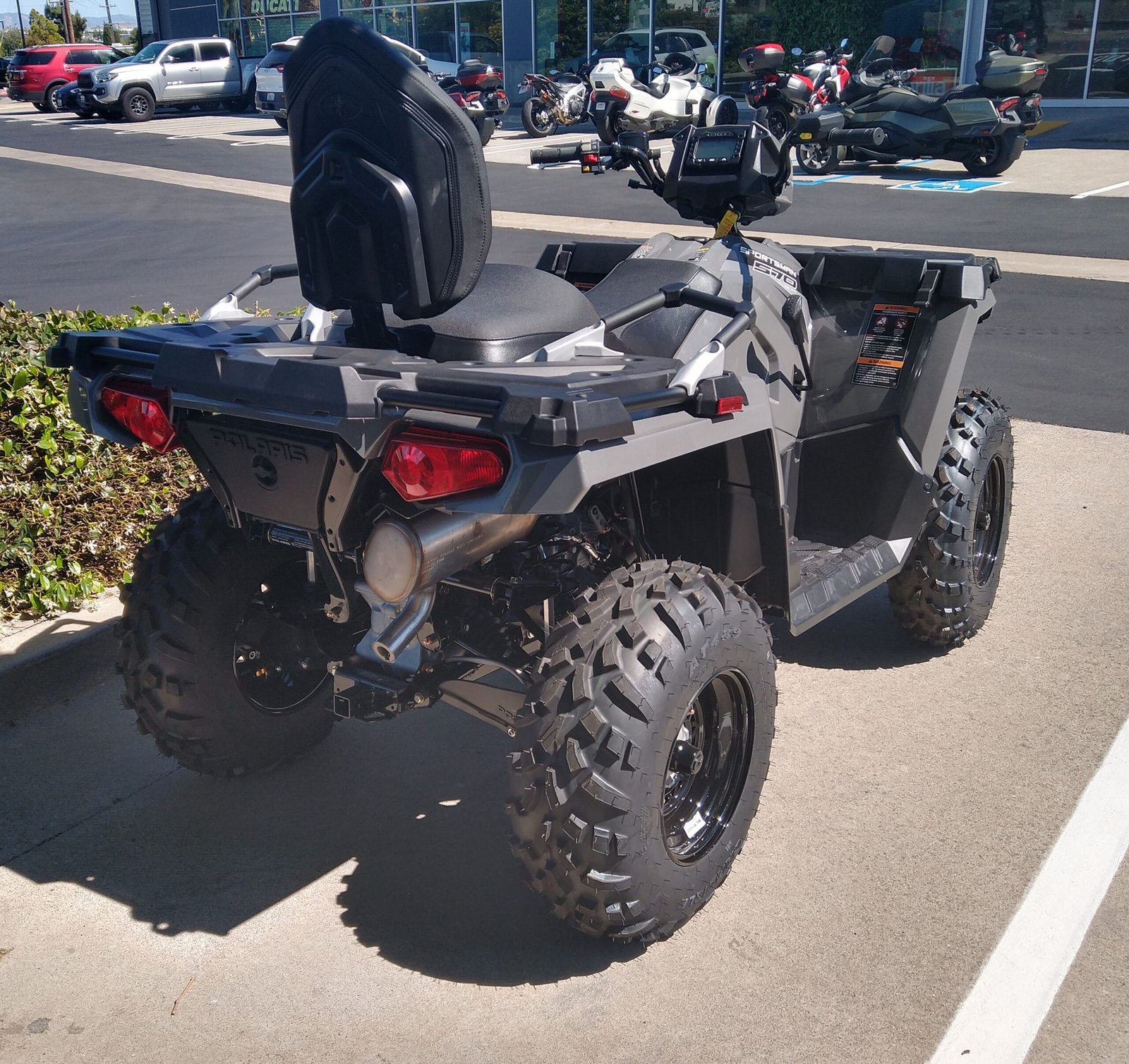
Most owner frustration comes down to four areas: the carburetor and fuel system, the PVT drive belt, the charging system, and the starter. This article walks through each common Sportsman 500 problem, what actually causes it, and the fixes that owners swear by. If you are buying a used one, the checklist at the end will save you money.
Carburetor and fuel system problems top the list
The single biggest source of Sportsman 500 trouble is fuel. These quads use a Mikuni-style carburetor, and the low-speed circuit is the first thing to plug up. A quadcrazy owner described exactly that frustration on a 2000 model: it would start fast but bog down after stopping, and sounded like it was getting too much fuel. He cleaned the carb and adjusted the air fuel screw, and it ran worse instead of better.
That story captures the classic pattern. The machine sits for a few months, the ethanol in modern pump gas turns gummy, and the tiny idle jet plugs. Owners on the forums consistently fix it with a proper carb pull and soak, a fresh plug, and patience on the air fuel screw.
Another 2000 owner in the same thread shared the trick that works for farm machines: run a can of Seafoam through the tank at a rich 6 ounces per gallon and let the engine idle hot for close to an hour, listening to it clean up as it runs.
Ethanol fuel is the root cause of most carb grief
Modern pump gas with alcohol is hard on these carbs. The corrosion plugs up the low-speed circuits, which is why the machine starts cold but stumbles and dies when you pull to a stop. Owners who store their Sportsman long term always drain the carb and shut the fuel petcock off, or run the bowl dry before parking it.
If you are fighting a stubborn idle on an old 500, do not chase the jets blindly. Drain the old fuel, put in fresh gas, and run the fuel system treatment before you pull the carb apart. A worn belt can also present as a takeoff bog, so rule that out before you go deep into the carb.
The good news is that this repair does not need a dealership. A carb rebuild kit, a can of cleaner, and an afternoon at the bench is the standard fix, and it is well within the reach of a first-time owner. If the machine has a Chinese replacement carb already, owners report those run best with the idle screw set a little richer than the manual suggests.
Either way, fresh fuel and a clean bowl solve most of what looks like a major problem on these quads.
PVT drive belt wear kills takeoff power
Polaris uses its PVT (Polaris Variable Transmission) on the Sportsman 500. A worn drive belt is behind a huge share of complaints about a sluggish Sportsman. One owner noted his 04 Sportsman 500 would not start moving until you got past a quarter throttle, and he tied it directly to a worn out belt. He did not bother replacing it because the machine still ran, but he admitted the takeoff was noticeably lazy.
When the belt is worn or glazed, the clutch grabs late and the quad feels flat off the line. The telltale sign is that revs climb but the rear wheels catch slowly. Replacing the belt and cleaning the clutch faces restores the crisp engagement these quads have when new. It is a routine job, and most owners do it in the garage with basic tools.
Worn belts also throw the same kind of debris that gums up the clutch weights inside the primary. When you swap the belt, pull the cover and clean the clutch faces and weights while you are in there. A little maintenance here keeps the whole PVT happy, and it is the difference between a quad that leaps off the line and one that crawls. If you are new to Polaris, the Polaris Predator 500 has similar PVT quirks worth knowing before you buy.
Stator and voltage regulator failures kill the battery
Older Sportsman 500s, especially the H.O. models, are known for charging system gremlins. The stator and the voltage regulator wear out, and the battery slowly goes flat while you ride. Owners notice it first as dimming lights, a weak crank the next morning, or a battery that reads low no matter how fresh it is.
The fix is to test the charging output with a multimeter at the battery with the engine running. A healthy system holds around 14 volts at idle. If you see far less, one of the two stator pickups or the regulator is failing. Replacing the voltage regulator is a cheap, well documented repair, and testing before you throw parts at it saves real money.
The external regulator sits where it catches air and mud, and the connectors corrode. Cleaning the plug and adding dielectric grease fixes a surprising number of so-called stator failures, so start there before you order parts. If the stator itself has gone bad, the symptoms come back fast, and the windings read out of range on an ohmmeter. This is all very similar to what owners of the Polaris General report with their electrical systems.
Weak starters and tired batteries on old units
Because the Sportsman 500 is a big single, it needs a strong starter and a healthy battery to turn over. On a machine that has sat, the first thing many owners replace is the battery, and sometimes that is all it needs. When the starter itself is dragging, you hear the engine crank slowly even on a fresh battery, which points to worn starter brushes.
Before you condemn the starter, check the battery terminal connections and the main ground. Corrosion there causes the classic slow crank. A good battery maintainer during storage keeps this whole system happy, and it is one of the cheapest upgrades you can make to an old ATV.
Oil leaks around the base gasket and seals
The 500 single runs hot and hard, and the base gasket between the cylinder and the cases is a known leak point on higher mileage units. Owners find a fine film of oil on the front of the engine case and a telltale smell. It is rarely a catastrophic failure, just a seep that stays on your radar.
Left alone it only makes a mess. If the leak is slow, topping up the oil and cleaning the case is fine. When it gets worse, the base gasket job is involved, so many owners live with a slow seep and just monitor the oil level between changes.
Hard starting and idle surging
Lots of Sportsman 500 cold-starting complaints trace back to the fuel system we already covered, but idle problems have a second common cause. One quadcrazy owner described an idle that wandered after a short ride, to the point the gears would grind when he tried to shift. That kind of unstable idle after the machine warms up often points to a vacuum leak at the intake boot or a worn carb gasket, not just jetting.
Check the intake boot for cracks and make sure the clamps are snug before you tear into the carb. A fixed idle issue turns a frustrating quad into a dependable daily rider.
pvt drive belt
A practical fix that most owners swear by. See today’s Amazon price.
What to check before buying a used Polaris Sportsman 500
If you are shopping for a used Sportsman 500, the list above is your negotiation checklist. Ask about the last time the drive belt was replaced, because that is the most likely near-future expense. Bring a multimeter and check the charging voltage with the engine running, so you know the stator and regulator are healthy. Cold start the machine from a dead stop, then ride it through a takeoff to feel whether the belt engages promptly.
Pull the air filter and look for a clean oiled element, and check the carb area for varnish smell and corrosion, which tells you how the previous owner stored it. A Sportsman that starts easy, charges steady, and takes off clean is one of the most trustworthy used quads you can buy, and there are plenty of them out there.
Two more checks are worth your time. First, look at the frame and footwells for rust or trail damage, because repairs to a bent frame cost more than any electrical fix. Second, listen for a steady valve tick on the warm engine, which is normal on this single, versus a knock, which is not. Between the drivetrain feel, the charging test, and these two inspections, you can walk away from a bad example and buy a good one with confidence.
Maintenance that keeps a Sportsman 500 running for years
The Sportsman 500 is forgiving, but it rewards simple discipline. Fresh fuel and an occasional fuel system treatment keep the carb honest. A spare drive belt in the tool kit is cheap insurance on any PVT Polaris. Keep the battery on a maintainer when the quad is parked, and change the oil and filter on time so the base gasket seam stays cool and happy.
A good ATV battery maintainer and a replacement PVT drive belt are the two parts most owners stock before they need them, because they fix the two most common failures before they leave you stranded.
Is the Sportsman 500 worth buying today?
For a rider who wants a dependable workhorse on a budget, the answer is yes. The 500 has less electronics than newer machines, so there is less to fail, and parts are everywhere because Polaris sold so many of them. What it gives up in tech it makes up for in simple, repairable design. If you are deciding between a Sportsman 500 and a smaller modern quad, the used 500 usually wins on capability and repair parts.
Compare it against the Sportsman 550 and Sportsman 600 for the differences between these generations.
Bottom line
The Polaris Sportsman 500 is a tough, capable machine whose faults are all predictable and all fixable. The carb and fuel system, the PVT belt, the charging system, and the starter cover the huge majority of owner complaints. None of them are expensive to repair if you catch them early, and the machine rewards basic maintenance with years of hard use.
For the price of a used Sportsman 500, few quads give you this much capability and this simple a service life. That is why so many still run strong two decades after they left the showroom.

