
As an Amazon Associate I earn from qualifying purchases. This article contains affiliate links that may earn a commission at no extra cost to you.
The Polaris Magnum 325 4×4 was Polaris’s mid-size utility quad of the early 2000s, built around an air-cooled 324cc single running the company’s PVT belt drive to a chain-driven solid rear axle with demand-drive front hubs. It sold from 2000 through the mid-2000s, and two decades later a surprising number are still working on small farms and hunting leases.
Owners who still run them report a short, consistent list of problems: front drive that sticks or drags, hard cold starts, no-starts after sitting, and belt wear. One issue stands above the rest: the 2000 and 2001 models were recalled for oil cooler line clamps that could leak hot, pressurized oil. This article walks through each problem the way owners describe it on the Polaris ATV Forum, explains the root cause, and lays out the fixes that hold up.
What is the most common Polaris Magnum 325 problem?
The most common Magnum 325 problem is AWD that sticks, drags, or pulls to one side. It comes from the demand-drive front hubs going low on fluid or picking up dirt after years of neglect, so the hub coils stay engaged when they should release. Cold-start trouble and the 2000-2001 oil clamp recall are close behind.
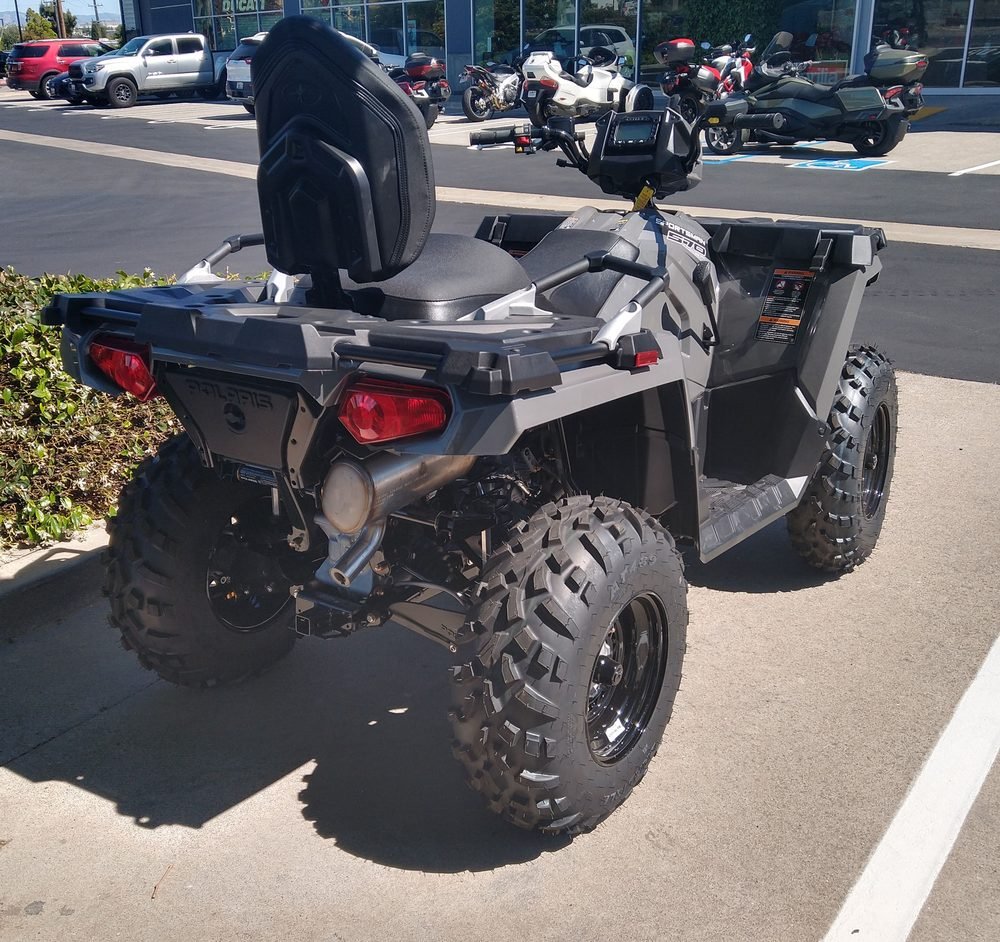
The rest of this article unpacks each issue the way owners describe it, starting with the front drive because that is what most 325 owners run into first.
Stuck in AWD: demand-drive hubs that won’t release
The defining 325 complaint reads like this: the machine “acts like it’s stuck in AWD” or “stuck in 3-wheel drive and pulls hard in one direction.” One owner who left his 2002 unit without fluid changes for about ten years described exactly that. The AWD light still came on and off, but nothing changed, and the front left tire would randomly engage even with AWD turned off.
Here is what is actually happening. Each front hub locks through an electromagnetic coil, and the hub needs the correct amount of automatic transmission fluid or dedicated hub lube inside to release cleanly. When the fluid level drops or the internals gum up, the hub stays engaged.
In the same thread an owner dug into his front hub and confirmed the tire could only grab when the hub magnet got power, even with the dash switch off. That pointed to both a gummed hub and dirty connections in the harness.
The realistic fix, in order: drain both front hubs, refill with cleaning fluid, then the correct hub lube, clean every electrical connection in the AWD circuit, and check the switch. On the 2002 machine the full job ended with “AWD works fine now, comes in and out easy, no grinding or pulling to one side.” Parts are cheap and easy to find for the 325, which is one reason so many are still running.
If your front end is cutting out instead of sticking, the diagnosis runs through the same circuit. The Polaris Magnum 425 4×4 has its own AWD quirks, and we covered how that system fails in the 425 post.
Hard to start when cold
Cold weather is the 325’s weak point. A 2002 owner with a clean, garage-kept machine described it plainly: fine in spring, summer, and early fall, but once temperatures drop near 40 degrees, “starting can be down right impossible.” He would pull the choke and spend ten or fifteen minutes feathering throttle and choke until the engine finally caught.
Owners chase this three ways, in this order. First, verify the choke actually moves the plunger and the cable is not stretched. Second, confirm the carburetor is actually clean, because these machines sit for long stretches and the pilot circuit plugs up. Third, check valve clearance, because tight exhaust valves make a single-cylinder Polaris very hard to fire when cold but fine once warm.
On the 2002 unit the choke checked out and the carb was clean, which left valve clearance and fuel delivery as the real suspects. On a 2000 machine the same symptom tree led an owner to tighten the exhaust valve clearance before the engine would light off reliably. His machine started easily again once warm, the usual give-away that fuel or valve clearance is the culprit.
If your 325 fights you in cool weather, work through those three checks before replacing parts.
No-start after sitting: fuel system and valves
The other classic 325 situation is a machine that ran fine, sat for a week or a season, and then refused to start. One 2000 owner worked through the gas, the Bendix, the battery, the starting coil, and the spark plug before the engine would fire at all, and even then it needed full choke and a carb rebuild to keep running.
The pattern underneath is almost always fuel. The BST31 CV carburetor on this engine has a tiny pilot circuit, and old gas turns to varnish fast. When the carb overflow started leaking on the same owner, he pulled the carb and cleaned it again. That is the recurring lesson: a 325 that sits needs its carburetor gone through, not just a new plug.
Electric start complaints trace back to the same aging parts: a tired battery, a worn Bendix drive, or a corroded kill-switch connection. Load-test the battery first, then check the Bendix engages the flywheel, then chase the switch wiring. Most no-starts on these machines are fuel, battery, or valve clearance, in that order.
If the carb is the culprit, our full teardown guide on how to clean an ATV carburetor covers jets, passages, and reassembly step by step.
The oil cooler line clamp recall on 2000-2001 models
The most serious Magnum 325 issue is a factory recall, not a wear item. In May 2003, CPSC and Polaris recalled about 56,000 2000 and 2001 Xpedition 325, Trail Boss 325, and Magnum 325 ATVs, sold from January 1999 through August 2000 for around $6,000. The oil cooler line clamps could come loose or leak, releasing hot, pressurized oil, which could cause thermal burns, engine failure from oil pressure loss, and in rare cases a vehicle fire.
Polaris logged 1,290 warranty claims or service calls about the clamps, and 20 minor injuries were reported: first and second degree burns, bruises, and skin rashes from the leaking oil. The fix was free at any Polaris dealer. If you own a 2000 or 2001 Magnum 325 and the work was never done, that repair is the first thing to schedule before you ride.
Buyers should treat this as a negotiating point, not a deal-breaker, because the repair is free. Just confirm the previous owner had the campaign completed, or budget a trip to the dealer yourself.
PVT belt and clutch wear
The 325 uses Polaris’s PVT, a rubber belt drive with a primary clutch on the crank and a secondary on the gearbox. Belt wear is the machine’s second most common mechanical cost. Owners who ride hard in 4WD, climb steep grades, or run oversized tires burn belts noticeably faster, and one long-term owner admitted he “blew belts for fun” as a kid in 4WD.
There are no belt stretch intervals worth trusting from a forum, but the practical rule owners repeat is simple. Keep the belt clean and dry, and replace it with a quality belt when the machine loses top speed or starts slipping under load.
Inspect the clutch sheaves for glazing while the cover is off. A cheap digital caliper is handy for checking belt width against the worn limit. If a used 325 sits with a gouged or glazed clutch, a new belt alone will not fix the shudder; the sheave faces need attention too.
A maintenance schedule that keeps a 325 running
These machines reward simple, regular care more than almost any other ATV from the era. On this oil-cooled single, the short list is: fresh oil and filter annually, a clean air filter after dusty rides, the correct hub lube in both demand-drive hubs each season, and a battery maintainer when it sits over winter.
Owners who follow that routine report the same thing: the 325 “runs great” and the AWD works “fine.” The ones who skip it are the ones with stuck hubs, varnished carbs, and no-starts. A battery maintainer is the cheapest insurance there is for a machine that sits between rides, and the same PVT belt and clutch setup shows up on the Polaris Sportsman 600, which has its own share of drivetrain complaints.
What to check before buying a used Magnum 325
A used Magnum 325 is one of the cheapest ways into a real 4×4 utility quad, and the platform is simple enough for a home mechanic. Before you hand over cash, run through this list.
Ask whether the 2000-2001 recall work was done, then test the front drive on pavement in 2WD and 4WD. Watch for a front tire that grabs with AWD off, or a pull to one side under power. Start it cold the way the seller would: an honest machine fires within a few pulls or seconds of cranking, while a varnished carb needs choke theatrics and a prayer.
Check the battery and Bendix by letting the machine sit for twenty minutes after a warm start, then cranking again. Listen for a dry starter that grinds or spins free. Look under the seat for oil seepage around the oil cooler lines, and check the belt cover for signs the previous owner rode it clogged or in deep mud. The sister Sportman family machines, like the Sportsman 500, share many of the same aging patterns worth knowing before you buy.
A 325 that is current on maintenance changes and starts cold is a bargain. One that fails the cold-start test is a carb rebuild and a valve adjustment away from being one, provided the price reflects that work. A carburetor rebuild kit is cheap enough to buy before you even touch the machine, and the same family of driveline parts stays well stocked online.
Polaris Demand Drive Hub Lube
Low hub oil is behind most stuck-AWD complaints on the 325. Grab the correct lube and refresh both front hubs.
Bottom line
The Polaris Magnum 325 4×4 is a solid little utility quad that is now old enough to need attention. Its problems are predictable and mostly cheap: stuck demand-drive hubs, cold-start fuel and valve issues, belt wear, and the free oil clamp recall on 2000-2001 models. Check the recall, keep the hubs lubed, winterize the battery, and this machine will keep earning its keep for another decade.

