As an Amazon Associate I earn from qualifying purchases. This article contains affiliate links that may earn a commission at no extra cost to you.
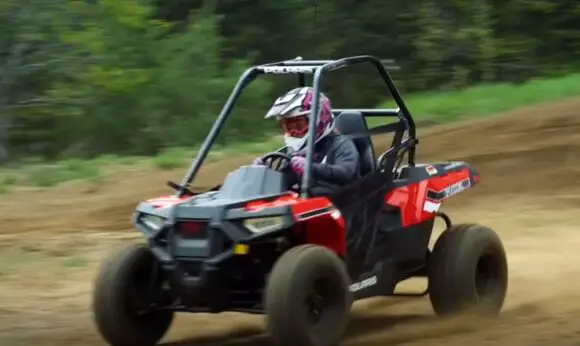
The Polaris ACE 150 is the single seat youth side by side Polaris built for kids aged 10 and up. It is honestly a lot of fun on trails, but it collects a short list of real owner gripes that the factory brochures do not mention.
The most common ones are an intermittent starter that needs the solenoid jumped, a limp mode that trips on rough trail, stale fuel that ruins idle, brakes that lock up or go hard, and a battery that dies after winter storage. This post goes through each of those, what actually causes them, and the fixes that work. It ends with a used buying checklist and the maintenance that keeps a youth ACE honest.
The Youth Machine Paired With a Carryover Engine
The ACE 150 is the little brother of the adult Polaris ACE 570, tuned for novice riders rather than grown adults. Polaris introduced it for model year 2017, and the specs position it squarely as a kids machine with an adjustable speed governor, a full steel frame, and a recommended minimum age of 10.
Under the seat is a 149cc single cylinder, four stroke engine with a 57.4mm bore and a 57.8mm stroke at 9.5 to 1 compression. Note that it is not liquid cooled, which surprises some dads.
The little engine is air and oil cooled with an overhead valve layout, and it runs on regular gas through electronic fuel injection and a 32mm injector. So it is a small, parts bin engine doing a light job, which is partly why it is so reliable when it is maintained.
Power travels through the Polaris Variable Transmission, a belt driven CVT with high and low range plus reverse, then out to a shaft drive on the rear wheels only. It is a 4 by 2 machine with a single drive mode, not the all wheel drive of the bigger ACE models. The suspension is a double A arm up front with 5.1 inches of travel and a swing arm out back with 6 inches, plus a manual steering wheel.
It weighs about 556 pounds dry with a 50 pound payload, holds 2.5 gallons, and rolls on 22 inch Wanda tires. In 2021 the MSRP sat around $4,099 with a six month limited warranty.
Starter Won’t Crank Unless You Jump the Solenoid
The single most common complaint across owner threads is a starter that refuses to engage even though the machine has power. A real example: one owner bought a used ACE 150 that had sat for a year, put in a fresh battery, and heard the fuel pump prime when he turned the key. But when he turned the key further to the start position there was no click from the solenoid and no attempt to start.
Jumping the solenoid with a screwdriver or a set of jumpers fired the engine every time, which narrowed the fault to the start circuit, not the starter itself.
A mechanic with decades in the trade responded with the usual suspects: a failed solenoid, a broken wire in the start path, or a worn key switch. On the ACE 150 the more common real cause is the brake safety interlock, because the machine will not crank unless someone is pressing the brake pedal. If that switch, the wiring to it, or the pedal position sensor is out of adjustment on bad terrain, the ECU sees no brake and kills the starter.
That same interlock plays into the limp mode problem below.
To chase it down, start with the battery voltage under load, then test that you get 12 volts at the small solenoid trigger wire with the key in start and the brake pressed. If that signal is missing, move up to the key switch and the brake switch. Clean the brake pedal switch contacts before replacing anything, because a little corrosion there produces these exact symptoms.
Limp Mode That Trips on Rough Trail
Several parents report the ACE 150 dropping into limp mode, where power cuts way back and the machine hardly moves. The factory story in some dealer service departments is that kids are mashing the brake and gas at the same time, which tells the ECU to protect itself. But the real pattern is more specific. One owner tested it by riding himself and found the machine went into limp mode on rough trails but ran perfectly on smooth gravel.
He suspected the brake pedal bouncing on bumps and tripping the brake sensor.
That matches how the machine is built. The brake pedal has to be pressed to start and it carries the interlock signal. On washboard or whooped out terrain the pedal can vibrate just enough to trigger the sensor, and the ECU responds by limiting output. If your unit keeps dropping power on trail but idles and revs fine on the trailer, start by checking brake pedal free play and making sure it returns fully.
You can tighten or reset the pedal so there is a little more travel before the sensor trips, and check the sensor mount for any play. Keep in mind the machine is set up as a safety device first, so the limp mode is doing its job, not failing on its own. If a child rides with both pedals pressed, coaching them on braking before tight turns fixes most of it.
Stale Fuel and a Rough, Chuggy Idle
A youth machine that sits between seasons is the most common owner story on this platform. One buyer got an ACE 150 that had been parked for a year and it started a few times but would not build revs, then ran a while and acted like it ran out of fuel. Draining the tank and adding a small dose of dry gas to pull out water made it run better right away.
That is the classic stale fuel, water in the tank, and gummed injector pattern, and it is easy to prevent.
The ACE 150 is fuel injected, so there is no carburetor to clean, which is a real advantage over the older carbureted quad and UTV engines of the last generation. But EFI still depends on clean fuel. For long storage, add a fuel stabilizer, run the engine a few minutes to pull treated gas through the injector, and store the tank full to stop condensation.
If the unit already runs badly, drain the tank, inspect for water, and run fresh regular gas. The injector will usually flush itself clean, though a badly gummed one may need removal and a professional cleaning.
Brakes That Lock Up or Go Hard
There is a brake issue owners describe after bypassing the interlock to get a stubborn machine started. One parent bypassed the brake switch on the master cylinder to fire the engine, and afterward the brakes locked up going down the road and the pedal got hard. He had to crack a bleeder screw to release the pressure.
The diagnosis from a veteran mechanic pointed at the master cylinder return hole, a small port that lets fluid flow back from the caliper into the reservoir. When that hole is blocked by corrosion or dirt, the brakes hold pressure instead of releasing, and the pedal stays hard.
On a youth machine that gets stored a lot, moisture in the brake fluid is the usual culprit because it lets corrosion grow in the master cylinder. If the pedal is hard and the brakes drag, crack the bleeder to see if pressure releases. If it does, the master cylinder needs a flush with fresh DOT 4 brake fluid, and a rebuild or replacement if the return port will not clear.
Do not ride with a dragging brake, because it overheats the fluid and wears the pads fast. This is a job worth doing carefully, but it is straightforward on a single caliper setup.
Battery and Charging After Long Storage
Weak starting and a battery that will not hold a charge are baked into any youth machine that sits, and the ACE 150 is no exception. Running a small battery down to zero over a winter is common, and owner threads recommend a smart battery maintainer for exactly this. The ACE charges through a small regulator that is fine for normal use, but it is not made to resurrect a fully discharged lead acid battery.
If you are not riding for a month or more, hook the maintainer up and leave it on. If the battery has sat dead, charge it slowly and test it under load instead of expecting a jump to fix a sulfated cell. When a new unit will not crank, the first thing to verify is the charge at the battery, because a well maintained machine barely stresses its small charging system.
The same maintenance habit protects the electricals overall, which is why a regular once over matters more than the parts themselves.
PVT Belt and Small Engine Care
The belt driven PVT is the part that eventually wears on every Polaris, and the ACE 150 is gentle on it because the engine only puts out modest power from 149cc. The belt still takes abuse if a young rider crawls through deep mud or snow at full throttle with the wheels loaded. Owners also report spinouts on slick surfaces, which is normal for a light, rear drive machine but it is hard on the belt if it happens constantly.
For the CVT, inspect the belt through the cover at least once a season and keep the clutch faces clean. Use a genuine or cross referenced belt rather than a cheap aftermarket unit.
The previous owner threads also point out that oil and air filter changes are simple DIY jobs, and many owners cross reference the ACE 150 filter equivalents to skip dealer prices on the same part.
For the motor, a quality small engine oil rated for the job at the recommended interval goes a long way. Change the oil at the first service and stick to the schedule in the manual, since a small, high revving single depends on clean oil more than a big motor does.
synthetic atv oil
A practical fix that most owners swear by. See today’s Amazon price.
What to Check Before Buying a Used ACE 150
A used ACE 150 is cheap and plentiful, but the buying check matters because most of them have sat. Ask how long it was stored and whether the fuel was treated. Look for a hard pedal or a brake that drags, because that points at a master cylinder issue that needs a flush. Test the start circuit by pressing the brake and turning the key, and if it only cranks when someone jumps the solenoid, budget for a switch or solenoid fix.
Pull the belt cover and inspect the PVT belt and clutch faces. Check the undercarriage for mud caked in the cooling fins, since that little engine sheds heat through them. Confirm the adjustable speed limiter still works and that the parking brake and tether function. Finally, ask whether the unit outgrows quickly, because a kid grows fast and the market for used ACE 150 machines is small.
Compare it against other youth options like the SSR 170 and older Polaris Outlaw 90, and against the maintenance habits of a utility workhorse like a Mule if the family wants a machine that does chores too.
Maintenance That Keeps a Youth ACE Honest
Keep it on a season schedule and the ACE 150 is a remarkably dependable first machine. Change the oil and filter once a season or more often if the rider puts on heavy hours. Check the air filter, clean the cooling fins, and keep an eye on the belt through the cover. Drain stale fuel or treat it before storage, and always park with a charged battery on a maintainer.
The brake fluid should be flushed periodically to stop the corrosion that causes the dragging brake. Check the speed limiter and safety features each ride, since this is a kids machine and those systems are the point.
If the unit already misbehaves, the owner threads show that a fresh battery, a full fuel drain and tank flush, and a brake fluid service clear up most of the common fault reports you see from ACE 150 owners. And the intermittent no crank and intermittent trail limp mode from real owners trace right back to the brake interlock and switch adjustments covered above.
Bottom line, the Polaris ACE 150 is a strong first side by side that earns its keep once you handle the storage side of owning it. The common problems are all small ones caused by stale fuel, a dead battery, and an out of adjustment brake interlock, and each has a cheap fix you can do at home.
Keep the fuel fresh, the battery maintained, and the brake circuit clean, and your kid gets years of safe trail time out of a machine that is easy to work on and easy to sell when they outgrow it.