As an Amazon Associate I earn from qualifying purchases. This article contains affiliate links that may earn a commission at no extra cost to you.
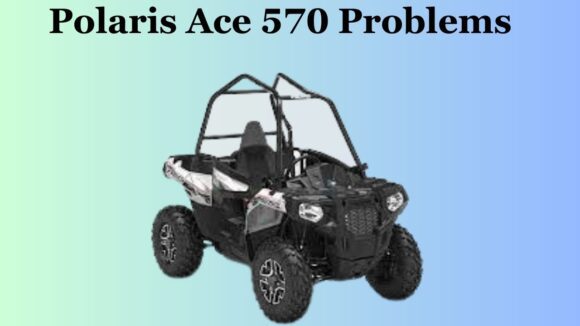
The Polaris ACE 570 is the single-seat, 48-inch-wide trail machine Polaris launched for 2015. On tight trails it is a lot of fun, and the ProStar engine has a solid reputation. It also has a short list of real problems that owners talk about constantly: factory build-quality shortcuts, voltage regulator failures that wreck the charging system, battery deaths from winch overdraw, plus a brake pedal that can go soft on long descents. This post walks through each of those issues, what actually causes them, plus the fixes that work. It ends with a used-buying checklist and the maintenance that keeps an ACE alive.
The ProStar 570 Engine and Drivetrain
The 570 is the same ProStar single that Polaris used across the Sportsman and Ranger lines: 567cc, four-valve, dual overhead cam, liquid-cooled, with electronic fuel injection. The archived 2015 spec sheet on ATV.com lists 45 horsepower at the crank from a 99mm bore and a 73.6mm stroke at 10:1 compression. That is modest power, but the ACE only weighs 854 pounds dry, so it feels quicker than the number suggests.
Power goes through the Polaris Variable Transmission, a belt-driven CVT with high and low range plus reverse, then to a shaft final drive. The On-Demand AWD has two modes with a rear limited-slip and a differential lock, which is more hardware than most machines in this class carried in 2015. Fuel capacity is 5.3 gallons, ground clearance is 10.3 inches, and the ACE rides on 25-inch tires with McPherson struts up front and double A-arms out back, giving 8.2 and 9.5 inches of travel.
Two numbers in the original post were simply wrong, and they matter if you are hauling or planning range. The tank is 5.3 gallons, not 4.5, and dry weight is 854 pounds, not 835. The 1,500-pound tow rating was correct, and payload is 575 pounds. The base 2015 model listed at $8,499 with a six-month limited warranty, which tells you Polaris positioned it as an entry machine.
The ACE family grew fast after the 2015 launch. The SP trim added electronic power steering and engine braking, and later years brought a 900 model and a dual A-arm front suspension, but the 570 stayed the volume model. Since it was the volume machine, parts are common, used examples are everywhere, plus replacement belts and pads are easy to find.
Build Quality: Missing Bolts and Misaligned Plastics
The most common ACE 570 complaint is not mechanical, it is assembly. A thread titled Build Quality on an Ace 570 on the Polaris ATV forums captures the pattern. The owner found two lines that were never connected, loose fittings, plus two missing bolts in the rear. The plastic bodywork would not line up with the frame. The dealer told him the bolts were not needed, so he bought the hardware himself and asked the forum whether to align the panels before installing it. The responses were full of owners who had found the same little things on delivery day.
This is first-year platform stuff, and it is worth an afternoon of your time on any used ACE. Go over every fastener you can reach, check the fender and frame alignment, then look for disconnected vacuum or vent lines under the seat. None of it is hard to fix, but it is exactly the kind of thing that compounds into bigger problems if nobody ever looks. On the bright side, owners who fixed the small stuff report the machine stays solid for years afterward. The takeaway is simple: a new ACE 570 deserves a once-over with a socket set before the first real ride, and a used one deserves the same before you hand over cash.
Voltage Regulator Failure and the Charging System
The electrical system is the ACE 570 weak spot. The stator and regulator live in a hot part of the chassis, and when the regulator fails it can overcharge the battery, boil it dry, or leave you stranded. The early symptoms are easy to miss: lights that dim at idle, a battery that needs a jump after a weekend parked, or a gauge that reads low while the machine sits. A long-running thread on the Polaris ATV forums is devoted to an aftermarket protector kit for the regulator, and the owner who started it says he runs one on his own 570 because he already had nicks in the insulation on the wiring.
The practical fix is cheap. Keep the battery terminals clean and watch the voltage on the gauge cluster; test the charging output with a multimeter if the machine starts dimming lights or cranking slow. A healthy system charges in the low 14-volt range at idle; if you see much more than that, the regulator is the suspect. The protection kit is common on auction sites and takes minutes to install. If you own a Polaris General or another PVT-equipped Polaris, the same advice applies, since the charging system family is shared.
Winch Overdraw Kills Batteries
Related to the charging issues is a battery-killer that is entirely owner-caused: winch overdraw. One ACE owner on the forums described plowing with a 4,500-pound winch and stalling it hard, losing all electrical power. He checked every fuse under the seat, found nothing, then discovered the battery itself was dead at zero volts. The winch was wired straight to the battery terminals, and the stall had drawn everything the battery had.
The forum advice after that failure was a quality AGM replacement, and the owner confirmed that fixed it. The lesson applies to any ACE with a plow or winch: check the battery connections first when something electrical dies, because the winch circuit bypasses the fuse box. If you winch often, add a breaker or isolator on the winch feed and size the winch sensibly for a 1,500-pound machine. A hard stall on a too-big winch is the fastest way to cook a battery. The same logic applies to accessory lighting and stereo installs, which owners frequently wire straight to the terminals and then blame on a bad battery when the voltage sags.
Brake Pedal Loss on Long Descents
One of the scarier reports in the ACE community came from a 2017 ACE 900xc owner who lost the brake pedal completely on a steep, rocky descent at Brimstone Offroad Park. The machine went end over end before it stopped, and the owner was clear that the brakes worked fine before the hill and after the crash. Forum members, including a mechanic, argued the fluid boiled from holding the brakes on a 45-degree grade, which would explain why the pedal came back once everything cooled down.
The takeaway applies to the 570 too, because the brake system is shared across the ACE platform. On long descents, use low range and engine braking instead of riding the brakes. Bleed the system if the pedal ever feels soft, and flush the fluid if it is old or dark. This is also a reminder that the ROPS cage and three-point belt exist for a reason; a tip on a grade is not the same as a tip on flat ground.
Tip-Overs: The Cost of a Narrow Track
The ACE is 48 inches wide, which is why it fits trails a full-size side-by-side cannot. That narrow track has a consequence, though: the ACE tips over more easily than it looks. A thread titled ACE tipped over 3 times describes the two situations that put the machine on its side: a low-speed lip on a trail and turning at speed. One owner counted three tip-overs in a single season, all at moderate speeds. His wife was doing maybe 10 mph when the first one happened.
None of that makes the ACE a bad machine. It makes it a machine you ride differently. Keep the speed down in corners and watch for off-camber sections; the 61.5-inch wheelbase is short, so the center of gravity moves fast when the suspension loads up. For reference, the Kawasaki Mule 3010 owners we have covered deal with a much wider, heavier machine with a different set of habits. If you are coming off a full-size UTV, give yourself a season to relearn cornering before you push the ACE. And if you add a lift kit or taller tires, expect the tip behavior to get worse, since you are raising the center of gravity on an already narrow platform.
Seat Comfort and the RZR Seat Swap
The ACE seat is a one-piece vinyl unit with a fixed backrest, and it is the first thing many owners replace. The seat swap thread on the Polaris ATV forums is a favorite: owners found that RZR seats sell for under $150 on eBay, and several confirmed a RZR seat bottom fits the ACE with light modification. Some swap the whole seat, others just the bottom cushion. The ACE logo stays put if you order the plain black version.
If the seat is the only thing that bothers you about a used ACE, that is a cheap fix and a good negotiating point. A firmer aftermarket seat changes the machine more than any other comfort mod, and it is a straightforward afternoon project. Just keep the three-point belt and the ROPS in mind when you mount anything aftermarket, since the cage is part of the safety system. It is the kind of small, reversible change that makes a used ACE feel like your own machine within the first week.
What to Check Before Buying a Used ACE 570
Used ACE 570s are affordable and plentiful, which makes them tempting. Before you hand over cash, run the VIN through the Polaris recall lookup. The ACE 325 had an exhaust-header recall (CPSC 18-011) for fire and burn hazards, and the 2014 Sportsman 570 ATVs had a fuel-leak recall (CPSC 17-190). The ACE 570 itself was not part of either, but checking the VIN takes two minutes and confirms you are not buying someone else’s problem.
Then look for the assembly shortcuts from the first section: missing bolts, misaligned plastics, plus lines that do not connect anywhere. Test the charging system with a multimeter at the battery, and check the winch wiring if one is installed. One forum thread from 2015 shows a dealer marking a leftover non-EPS 2015 ACE down to $6,300, so negotiate hard on base models. If you want the nicer one, the 570 SP added electronic power steering and engine braking at launch. Those machines hold their value better. If you are cross-shopping utility machines, our Polaris Ranger years to avoid guide and the Honda Pioneer 700 write-up cover the alternatives.
Bring a set of ramps or a tailgate to the test ride. The ACE is low and light enough to load by hand, which makes trailering simpler than a full-size UTV. Check the underside for mud packed around the radiator and skid plate, and listen for belt noise from the PVT cover on the first pull. A good sign is a machine that starts instantly and charges at 14 volts at the battery, then shifts through all four positions cleanly. Everything else on the list is cheap to fix.
Maintenance That Keeps an ACE Alive
The ACE 570 is not a high-strung machine, and it rewards basic maintenance. Oil changes on schedule keep the single happy, and the PVT belt is the one part worth checking early, since a glazed belt shows up as sluggish takeoff and belt dust inside the cover. A replacement CVT belt is worth having on hand before a trip. The gauge cluster includes an hour meter, so tracking service intervals is easy even if you bought the machine used.
Battery care is the other big one, given how many electrical complaints trace back to it. Keep the terminals clean, put the battery on a battery tender during storage, then replace with AGM when the time comes. If you ride rocky terrain, check the radiator and skid plate for damage after hard trips. Keep an eye on the cooling fan intake, which sits low and can pack with mud. The engine is a cousin of the ProStar single family, and like those machines the ACE runs for a long time if you do not starve it of oil or let the charging system cook the battery.
Plan the first service around 25 hours or the break-in oil change, whichever comes first. Look over the drive belt at the same time. Owners who ride hard in mud report checking the clutch cover vent after every wet ride, because a blocked vent lets water and belt dust work their way in. None of this is exotic, but the ACE rewards the same routine as any other PVT machine: clean air, fresh oil, along with a battery that never sits flat.
Bottom line. The Polaris ACE 570 is a capable single-seat trail machine that fits where bigger side-by-sides cannot, and its ProStar drivetrain is proven. The real problems are build-quality shortcuts from the factory, a charging system that needs attention, and a narrow track that rewards careful cornering. Check the assembly, protect the regulator, then keep descents in low range. Done right, the ACE is one of the most fun machines Polaris has built. Just buy one with your eyes open.