
As an Amazon Associate I earn from qualifying purchases. This article contains affiliate links that may earn a commission at no extra cost to you.
The Tracker 570 is the bargain workhorse Bass Pro Shops and Cabela’s sell under their in-house Tracker Off Road label. Under the skin it’s a Textron-built machine (the same company behind Arctic Cat), powered by a 545cc liquid-cooled single-cylinder engine with electronic fuel injection and a CVT. It undercuts the big brands by a lot, which is why so many hunters and small-acreage owners pick one up.
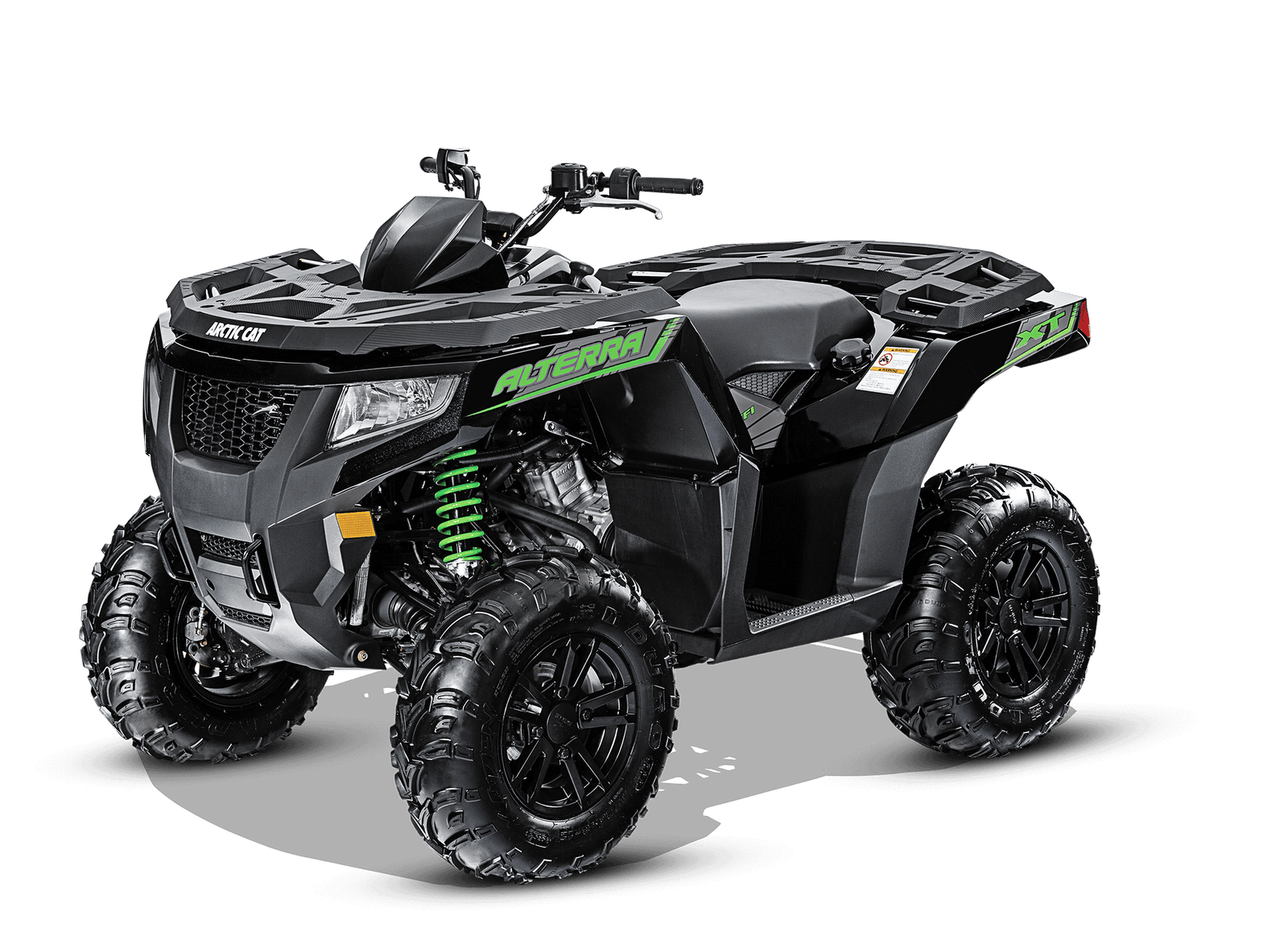
But cheaper usually means a few real compromises. Based on owner threads across Quadcrazy and Reddit, the main gripes come down to engine-bay heat around the oil filter, spotty dealer and parts support, and weak resale. This guide covers those problems, what causes them, and what you can actually do about them, plus what to check before you buy a used one.
One thing to set straight up front: the 570 is not the 600. The 570’s engine measures 545cc, while the 600-class Tracker uses a bigger powerplant, and the two share little beyond the badge and the CVT layout. If you are cross-shopping with the 600-series Trailers or the 700 EPS, the 570 is the smaller, cheaper of the lot and it trails the larger models on rack capacity and grunt.
Know which one you are reading about, because online reviews blur them together all the time, and owners get angry when the answer they find does not match the machine in their garage.
Oil Filter Tucked Next to the Hot Exhaust Header
The engine runs a spin-on oil filter bolted directly next to the exhaust header. One 2020 owner on the Quadcrazy Tracker forum put it plainly: he loved the machine but hated the filter location, and he wrapped the header to pull heat away from the filter because he figured the extra heat was going to shorten engine life. It’s a fair concern.
Oil cooks when it sits right against a hot pipe, and a degraded filter or overheated oil wears the bottom end faster.
The fix is straightforward even if it’s fiddly. Change the filter at the factory interval, use a quality filter with the correct thread pitch, and consider touching up the area with header wrap around the pipe closest to the housing. Some owners hunt for remote filter relocation kits to move the filter away from the heat.
If you cannot find one for this niche model, wrapping the header and sticking to your oil change schedule does most of the work.
Thin Dealer Network and Hard-to-Find Parts
You do not buy a Tracker from a dedicated Tracker dealer. It goes through the Bass Pro Shops / Cabela’s retail chain, and warranty service rides on whatever local shop will take it. On r/ATV, owners repeatedly warn that the machine is fine only if you have good dealer support nearby and a good price, and note that support is exactly where the brand falls short.
If you live far from an Arctic Cat or Textron dealer, a blown part can mean a long wait.
Before you commit, call the nearest certified shop and ask whether they service Textron-built machines and keep Tracker parts on the shelf. Pin down where the closest parts counter actually is before you hand over cash, not after a weekend ride leaves you stuck. Parts exist, they’re just not everywhere.
In practice this means you hold a longer shopping list than a Polaris owner, because routine wear items like brake pads, plugs, filters, and body panels are not in stock at a random local dealer. Order ahead for the season, combine shipping, and buy a spare of anything you know you will wear out. The trade-off is real but predictable, and planning removes most of the sting.
The Reputation Problem: Resale Value Takes a Hit
Tracker has a reputation problem that has nothing to do with how the 570 rides. On r/ATV, buyers have posted directly about the brand’s reputation things like “I didn’t realize how bad the brand’s reputation was before I applied” and “Don’t do it, buy something reputable.
” Reddit also sums up the brand as basically a rebranded Arctic Cat and notes the reviews are mixed. None of that means the machine is junk, but it does mean resale is softer than a Polaris or Yamaha with similar hours.
If you plan to own it for a decade, that hardly matters. If you flip machines every couple of years, expect to eat the difference when you trade up. Shop a used one hard because you are the one holding the cash, and keep every service record to fight the depreciation on the way back out.
CVT Belt Life Under Heavy Load
Most modern utility quads rely on a constantly variable transmission (CVT) driving two belts, and the 570 is no different. Belt service life drops fast when you work the machine at full load, haul on the 1,050 lb towing rating, or do a lot of low-speed plowing. Owners who burn through belts complain about lost pulling power and belt dust inside the cover, both symptoms of a worn or glazed belt that slipped under load.
Keep the air cleaner out of the CVT intake, avoid holding the throttle pinned against an obstacle, and inspect the belt anytime you notice the quad losing grunt or surging. A fresh belt, a clean clutch face, and the correct belt tension fix most of it. If your clutch cover has heavy wear or you plow constantly, budget for belts as a consumable rather than a freak failure.
A belt that shaves whiskers into the clutch face lets the machine slip under load even after the belt itself is replaced, so clean the sheaves with brake cleaner when you do the swap and set the tension to the spec printed by the clutch cover.
Because the 570 shares its drive parts with other Textron-built machines, confirm the part number against a compatible Arctic Cat unit before ordering if the aftermarket belt you want is not listed for the Tracker name.
Limited Aftermarket and Modding Support
You can find plenty of racks, windshields, and winches for a Honda or a Yamaha. Custom parts for a Tracker 570 are another story, unlike the widespread support big-name machines enjoy. The aftermarket barely touches the brand, so things like oil filter relocation kits, big-bore kits, or replacement suspension arms are scarce. Most owners end up with Arctic Cat parts that happen to fit, which takes some research.
Treat it like a build-your-own situation. Confirm a part number against an identically built Textron or Arctic Cat model before you order, and lean on the paper owner’s manual that came in the glove box. It is one of the few complete references for the platform, a gap that owners of the CFMoto UForce 1000 and the Polaris Predator 500 also run into on niche models.
synthetic atv oil
The exact part owners reach for to fix this. Check the current price.
What to Check Before Buying a Used Tracker 570
A used Tracker 570 can be a screaming deal if the previous owner kept records. Start with the basics that kill expensive quads: verify cold start from a dead stone, check the coolant level and look for a milky fill cap, and pull the oil dipstick for any sheen or sludge while the exhaust header is cool. A bike that has been run with that cooked oil filter will tell on itself with scored feel and knock.
Test the RTS 4WD by shifting from 2WD into 4WD while moving slowly; it should engage cleanly and pull through a turn. Push on a corner to check the front wheel bearings and ball joints for play, and roll it to confirm the brakes grab evenly. Ask which shop serviced it and call that shop. If the answer is “nobody touched it,” price that uncertainty in. Do not skip the fluid and filter check on a fresh purchase.
Whatever you buy, keep a decent filter close for the first maintenance pass. Look for a new front tire paired against a bare one, a common sign the previous owner hid a bent lower A-arm. Run a compression-style gut check by holding the throttle wide open on a warm engine and kicking it over; a healthy single fires instantly, and a lazy one points at a tired top end.
Keeping a Tracker 570 Alive
Maintenance on the 570 is basic and the intervals from the factory are reasonable. Keep the oil and the filter fresh, and pay attention to engine hours rather than just the calendar, because most owners put on far more time than mileage. Follow the oil change and filter interval in the manual, and use a good synthetic ATV oil to protect against the heat near the header.
Flush the cooling system according to the schedule and check the hoses for cracks once a season. Grease the suspension pivots and A-arms, and inspect the CVT belt at the start of every working season. Keep the battery on a tender over winter so it does not drain the magneto on a cold start, and re-check the RTS shifter cables seasonally since a frozen cable is a common no-shift cause on parked machines.
If you want to keep it fed with the right fluids, a quality synthetic ATV oil is the cheapest insurance for the engine, and a good CVT belt is the part you will actually replace first.
A few extra habits make the small engine live longer. If you run it hard on a long trail, back off the throttle for the last few minutes so the cooling fan can pull the heat out before you stop. Check the oil when the engine is warm and on level ground, because the dipstick reads differently when the machine is tilted.
Once a year, pull the seat and clean the battery tray, and put a bit of dielectric grease on the terminals so a corroded connection does not show up as a dead quad on a cold morning. Same goes for the CDI and the shifter-cable ends near the frame rails.
Tracker machines sit on dealer lots and can arrive with a dead battery, so ask whether the stock battery has been replaced, since a short-cycling battery is the most common cause of the slow-crank and no-start reports owners post online. New owners also tend to over-torque the rear wheels when the quad is new, which can pull the studs, so use a torque wrench and recheck the lug nuts after the first ride.
Bottom Line
The Tracker 570 is a capable, honest utility quad priced far below the mainstream brands, and most of the chatter about it is about support, not the machine itself. If you have a local Textron shop and can live with softer resale, it is a smart buy. If you need dealer parts on demand, check a mainstream alternative instead, like the Can-Am Outlander 450 or the Yamaha Grizzly 700, which have far deeper aftermarket and dealer coverage.
Buy used with service records and budget for first-owner level maintenance, and the 570 will do the plowing and hauling you bought it for.

