
As an Amazon Associate I earn from qualifying purchases. This article contains affiliate links that may earn a commission at no extra cost to you.
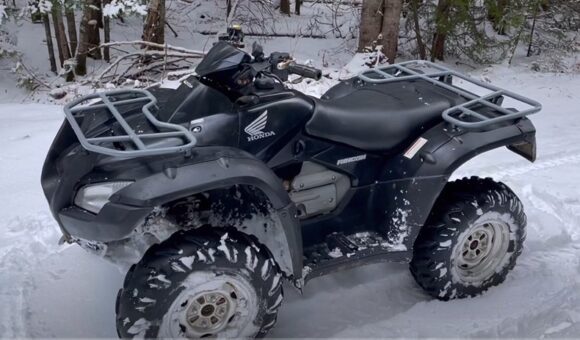
The 2005 Honda Rincon 650 is a big single-cylinder utility quad that builds a loyal following, but it does not come without complaints. The most common problems owners actually talk about are a radiator that packs full of mud and runs hot, a spark plug cap that rips right off during a simple plug change, and a carburetor that stalls under load or in sloppy mud.
This guide walks through each issue, explains the root cause, then gives the fixes that work. It also covers what to watch when you are looking at a used 2005, since most of the 650s on the market today are well past a decade old.
The Rincon 650 in one paragraph
Honda launched the Rincon in 2003 as its biggest and most recreational ATV, and the name carried on until the 650 gave way to the fuel-injected 680. The 2005 model you are asking about is a 649cc liquid-cooled OHV single-cylinder, not a twin, with a 100 by 82.6 mm bore and stroke and a 37mm CV carburetor. It makes its power from a single big cylinder, which is part of why it feels so torquey down low.
The interesting part is the transmission. Instead of a manual shift and a clutch, the Rincon uses an automotive-style hydraulic torque converter with a valve body and clutch packs for first, second, third and reverse. It shifts itself, or you can take over with the dashboard button and run it like a manual.
That setup, plus independent rear suspension and a center-mounted hydraulic disc brake on the rear output shaft, made the Rincon stand apart from every other Honda quad of the time.
One thing to get straight about this model year: the 2005 is carbureted. Owners in a long-running 2005 buying thread confirm that the 650 came with a carb, and it was not until 2006 that Honda added fuel injection and bumped the motor to the 675cc Rincon 680. If you hear people praising EFI and easy cold starts on a Rincon, they are talking about the 680, not this one.
Overheating and a radiator packed with mud
Overheating is the headline complaint on Rincons, and it shows up on the 650 just like it does on the later 680. In an atvconnection thread about repeated overheating, one owner described his machine running hot again after a year, with coolant weeping from the water pump weep port and the pump already replaced once. The honest truth is this platform tends to run warm by design, so small problems push it over the edge fast.
The most common cause is not the engine at all. The radiator sits close to the oil cooler, and on a bike that has seen real mud, the space between the two packs solid with grit. Owners point out that removing a side cover lets you reach in and spray that gap clean from behind, and some go a step further by using spacers and longer bolts to hold the cooler and radiator farther apart so junk stops collecting there.
If yours overheats, check coolant level first, then whether the fan is coming on before the warning light. Low fluid from a weeping water pump and a mud-blocked airflow path will both do it, and they compound each other. Keep the front of the machine and that gap between the coolers clear, run coolant that is fresh, and the Rincon will handle most rides without drama.
The spark plug cap that rips off
On a 2005, the quote everyone remembers from owners is the spark plug cap coming apart during a routine plug change. One owner described exactly this: after three people pulled on it, the boot ripped off the cap as he tried to remove the spark plug, so he soldered the connection back together with tape and heat shrink. It ran fine in neutral but stalled and cut out the moment he floored it in drive.
A Honda mechanic in that thread laid out the root cause. The plug cap is a resistor cap rated at about 5,000 ohms, plus or minus 1,000, and the ignition is designed around that value. Once you solder it or rig it a different way, you change the resistance and the coil may not fire the plug correctly under load. The cap screws onto the coil wire rather than sliding on, which is why it gets stuck and tears in the first place.
The fix is simple once you know it: buy a fresh OEM-style plug cap, screw it back onto the clean coil wire, and use a correct resistor plug. Do not solder or jury-rig a damaged cap and hope for the best. Greasing the cap thread lightly and using the right removal angle keeps this from becoming a yearly ritual on an old carbureted single.
Carburetor stalling in mud and cold-blooded running
Because the 2005 is carbureted, it inherits every carburetor quirk that the later EFI 680 left behind. Owners report stalling under load, especially in deep mud, at low rpm, or when you are stuck and catch the reverse. One owner described the idle dropping from about 1,450 rpm down to 1,150 after the dealer had already set it, and the throttle position sensor adjusted too, with no real fix from the dealer.
The replies in that thread point at the likely culprits in order: the low-speed carburetor circuit and a partially clogged slow jet, then the idle mix screw. One owner found the real answer was altitude. At higher elevation his Rincon coughed and sputtered like it was low on fuel even with a full tank, and re-jetting the carb for that altitude fixed it and woke the motor up.
If your bike stalls when it is cold or in mud at low rpm, look at the pilot circuit before you chase the throttle body or anything electronic, because there is no electronics here.
A clean air filter and fresh fuel also matter a lot on this platform. The 650 breathes through a big single, and a dirty filter that runs rich, or fuel left to varnish in the bowl, will make the cold-blooded stalling worse. If the bike has been sitting, drain the carb bowl and run fresh gas with a little carburetor cleaner through the system before you blame a deeper fault.
The hydraulic automatic and what it means to live with
The transmission is the Rincon signature, and it is a strong point, not a weak one. A hydraulic torque converter and a valve body do the shifting, so there is no belt to burn and no clutch lever, and you skip the regular adjustments a manual chain quad needs. The springy take-off and low-stall feel is normal for a torque converter, and many owners love it for crawling and hauling.
The few things that draw owner questions are not failures so much as habits. The Electronic Shift Program button shift works in both 2WD and 4WD, and owners advise running through all three gears both ways when you test a used one to make sure the valve body shifts cleanly.
Also worth knowing: this machine shares one oil supply between the engine and the automatic clutch packs, so the level and condition of your oil matters more than it does on a quad with a separate gearbox. Keep it full and fresh and the transmission stays happy.
Rear brake, engine braking, and drivetrain notes
Honda mounted a hydraulic disc brake in the center of the rear output shaft on the Gen 1 Rincon, which keeps the rear hubs clean and gives solid stopping power. It works well, but the torque converter means engine braking is gentler than a manual quad you might be used to. That relaxed engine braking is part of the design, so do not expect a motorcycle style hold on long downhills; ride the brake and it is fine.
Look after the rear brake fluid and check the pads and rotor for wear, the same as any hydraulic brake. Keep the shafts and boots around the rear drive greased and sealed, because the center-mounted setup and independent rear suspension put a bit more through the rear than you might expect. Catch a torn boot early and you save yourself a diff or axle job.
Turning radius, tires, and how it rides
Owners are honest that the Rincon needs a wider turn than some rivals. In the 2005 buying thread on atvconnection, a long-time owner who bought his 650 new and put serious miles on it said it handles trails fine but just needs a little more room to turn around, and the 4×4 gets you out of a lot of trouble when the trail tightens up. That wider turn radius is the trade-off for the big rear end and the center brake.
The same owner gave practical tire advice: roughly 26-inch tires fit without a lift, but go bigger and you will want a width kit or a 2-inch lift or the rubber will scrub in the rough stuff. He also reported around 100 miles on a tank with a fair amount of wide-open throttle, which is a usable day on the trails. Set sag for your weight, keep the tie rods and pivots tight, and the ride stays planted over the rough ground these big singles love.
atv spark plug
Owners of this machine rave about it. See today’s price on Amazon.
What to check before buying a used 2005 Rincon 650
Almost every 2005 Rincon on the market today is a two-decade-old carbureted machine, so buy it with an owner mindset. Start with the plastic. Creased or offset bodywork and poorly lined-up fasteners are the first sign a bike has been flipped or banged up. Check the weld points where the frame comes together, then the CV joint boots for cracks and tears before you ride it anywhere.
Pull the air box and look for evidence of water and whether the filter is clean, since that is a great indicator of how the machine was maintained. Then run the transmission through all three gears, up and down, in both 2WD and 4WD, using the button shift, to confirm the valve body behaves.
Listen for the radiator fan cycling, check the coolant level and the water pump weep port for leaks, then look at the gap between the oil cooler and the radiator for packed mud.
These are dependable machines when they are cared for, and thin-skinned when they are neglected. Compare condition against other big utility quads before you settle. If you want a lighter, chain-driven Honda sport quad instead, the TRX700XX is worth a look. For a newer Honda workhorse with a proven reputation, the Foreman 450 lineup carries on the utility role, and the Pioneer 700 is Honda’s modern side-by-side answer.
Maintenance that keeps a Rincon 650 alive
A 2005 Rincon rewards steady, simple care. Change the oil on schedule with a quality synthetic ATV oil, and remember that oil feeds both the engine and the automatic clutch packs, so do not let the level drop. Keep the 37mm carburetor clean with fresh fuel and a clean air filter, and check the spark plug and cap at the service interval using a correct resistor cap and plug. A pack of correct ATV spark plugs in the garage makes that job painless.
Keep the space between the radiator and the oil cooler clear of mud, use fresh coolant, and confirm the fan switch works before hot weather rides. Grease and inspect the rear drive boots and shafts, and flush the rear brake fluid on a regular schedule. Top it all with a steady diet of synthetic ATV oil, and a Rincon 650 will run strong for a very long time.
Compared to some of today’s big utilities, a carbureted 2005 is old-school, and it rides a little like it. That is exactly what a lot of owners want. If you are weighing a modern fuel-injected utility instead, the Yamaha Grizzly 700 and the Can-Am Outlander 570 are both solid, current options with their own followings.
Bottom line. The 2005 Honda Rincon 650 is a torquey, comfortable big single with a clever hydraulic automatic that is unlike anything else Honda sold. The problems owners hit are ordinary ones: a radiator that packs with mud and runs hot, a spark plug cap that pulls apart in your hand, and a carburetor that can stall in mud unless the pilot circuit and altitude are right.
None of them are deal-breakers on a well-maintained machine. Check the cooling, the carb, and the transmission shift pattern before you buy, stay on top of the shared engine and transmission oil, and the Rincon will give you years of trail miles.

