As an Amazon Associate I earn from qualifying purchases. This article contains affiliate links that may earn a commission at no extra cost to you.
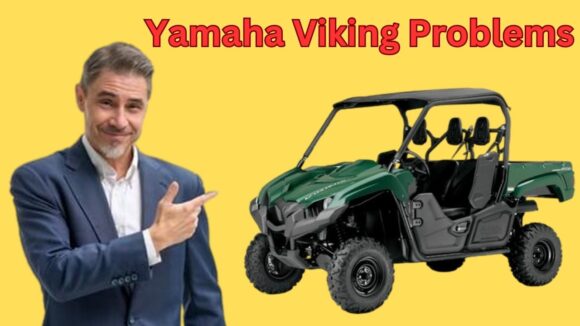
The Yamaha Viking 700 is the workhorse of the company’s side-by-side lineup, a three-seat utility machine built around the same 686cc inline triple that powers the Grizzly 700. It’s dependable, but most owners meet a few recurring gripes. The Ultramatic belt slips under heavy loads.
The On-Command front diff can snap when you winch in locked 4WD, and the engine bay runs hot in slow going. This article covers the problems real owners report, what causes them plus the fixes that work, then closes with a used-buying checklist and an honest read on the 700’s reputation.
Inside the 686 Triple and the Ultramatic Drivetrain
The Viking’s engine is a 686cc liquid-cooled SOHC inline triple with four valves per cylinder, a 102.0 by 84.0mm bore and stroke, and a 10.0:1 compression ratio. Fuel arrives through Yamaha’s YFI injection with TCI ignition. That motor is nearly bulletproof, which is why so many owners describe the Viking as built like a tank.
Where the machine gets finicky is the drivetrain behind it. Power reaches the wheels through an Ultramatic V-belt CVT with all-wheel engine braking and an L, H, N, R range, then on to an On-Command 3-way locking differential and shaft drive. The same pair sits in the Grizzly and the Wolverine, so the belt and diff problems you hear about are platform-wide, not unique to one model year.
CVT Belt Slippage and That Shattering Shriek Under Load
Ask a long-time Viking owner what annoys them most and the Ultramatic belt comes up quickly. When you floor it up a steep, muddy or snow-covered climb with a full load, the belt can let go and you hear a loud, three-second shriek that sounds worse than it is. On the shared Ultramatic platform, one owner hit it near the 1,000-mile mark on a wet hill, then never heard it again after the CVT was serviced.
A slipping belt is mostly a symptom of heat and load, not a broken machine. The CVT breathes engine heat, and under heavy work the belt glazes and stretches. Yamaha’s Ultramatic service bulletin asks for CVT work at 1,600 miles, and owners who stay on that schedule see far fewer shrieks. If yours does it, start with a fresh belt and a thorough sheave cleaning before you suspect big money.
A spare UTV CVT belt is worth carrying on a ranch machine, along with the torque tool to pull the driven-clutch nut when you swap it.
Slow Engagement and Hard Shifts in the Ultramatic
The Viking shifts by moving the range lever between L, H and N. On a cold machine or one with a tired belt, it can feel slow to engage or snatch into gear. That hesitation is the CVT clutch and belt catching up, not a broken gearbox. The Ultramatic has no manual clutch drum the way an ATV does, so a juddery pull-away usually traces back to belt condition.
Before touching anything, check the shift linkage under the cab for slop. Cables stretch and the pivot points collect mud, which makes the transmission feel vague. Tighten the linkage, confirm the range lever clicks into each detent, then re-read the belt health if it still stumbles. If it fully refuses a gear, that is the point for a shop to look at the shift forks and reverse linkage before you crack open the case.
On-Command Front Differential and 4WD Woes
The weak point in the 4WD system is the front differential, not the switch. The On-Command unit is a 3-way locking differential you toggle between 2WD, 4WD and locked 4WD. Push it hard enough and the spider gears inside can fail; the most common trigger is winching with the wheels turned and the diff locked.
That exact move sheared the spider gears for one owner, who rebuilt the case with new gears for about $300 in parts while a whole replacement diff ran close to $1,900.
The lesson is simple: never winch straight against a turned wheel in full diff lock. If your front end starts clicking or the 4WD light flickers, stop and check the actuator before things get expensive. A rear axle seal leak that drops the diff low on oil speeds this failure along, so keep an eye on fluid levels under the boot.
Overheating in Tight Canyons and Heavy Loads
Slow, dusty trails and heavy loads push the Viking’s cooling system. Owners who see a temp warning usually find a blocked radiator rather than a dead water pump, since grass, mud and packed dust clog the cores fast on a utility machine. The stock fan on this liquid-cooled platform cycles on around 205 F and off near 195 F, so a flashing light on a slow crawl can simply be the fan doing its job. Steady 200 to 210 F in tight going is normal.
Real overheating comes from a low coolant level and air in the system. The Ultramatic needs its thermostat bleed screw opened after a coolant change, or the line air-locks and the gauge climbs for no reason. Blow the rad out with a gentle hose after dusty work and watch the coolant level between oil changes. If it drops without a leak, the radiator cap or a hose clamp is your first suspect.
Starter and Electrical Gremlins
Electrical faults on the Viking are less about dead computers and more about the battery and ground. Like many modern UTVs, the 700 draws the starter, lights and winch from one battery, and a tired one leads to slow cranking and flickering dash lights. A machine that sits for weeks will often need a jump or a maintainer to be ride-ready.
Keep the battery on a UTV battery maintainer when it is parked, clean the ground strap where it bolts to the frame, and check the main fuse block for corrosion after deep water crossings. The wheel sensors and the On-Command actuator switch also dislike dirty connectors, so a little dielectric grease on the harness plugs goes a long way.
The Comfort Complaint Owners Keep Raising: Engine Noise
Reliability is the Viking’s reputation, but comfort is its weak spot. The 686 triple is mounted right behind the cab, and owners on both r/ATV and the forums say it is noisy and a touch slower than rivals. One family that bought a 2014 model praised it as built like a tank and easy to drive, then listed noise as the only real complaint.
It is a drone, not a rattle, and you feel it on long runs more than short chores.
That tradeoff is part of why Yamaha positioned the Viking as a ranch tool rather than a sport machine. If you want Yamaha reliability with a quieter, more playful feel, cross-shop the Wolverine 850, which trades bed space for a smoother ride.
How the Viking 700 Compares to Older Yamaha Models
Yamaha’s older utility machines set the bar the Viking had to clear.
The Kodiak 400 and the vintage Moto 4 are famously simple and easy to live with, while the Rhino 450 was the earlier side-by-side with its own quirks.
The Viking is considerably more complex than any of them, with fuel injection and a more involved drivetrain, but it is also far more capable under a load.
That complexity is why the maintenance story matters here more than on an old carbureted Yamaha. The Ultramatic and On-Command systems reward owners who service them on schedule, which is exactly why a well-cared-for used Viking is worth more than a neglected one.
utv cvt belt
Owners of this machine rave about it. See today’s price on Amazon.
What to Check Before Buying a Used Yamaha Viking
Buying used is where the Viking’s reputation pays off, but only if you inspect the two costly parts: the belt and the front diff. Start the test ride cold and listen for the belt shriek; then run it hard up a hill and toggle through 2WD, 4WD and locked 4WD to confirm the actuator engages without clicking. Check the front diff fluid and look for a wet rear axle seal.
Ask about CVT service history, because the 1,600-mile belt interval is the single most skipped job. Pull the shifter through L, H and R to make sure engagement feels firm, look for cracked tie rods and worn CV boots, and check the rad for packed mud. On a ranch unit, checking the hour meter against the hours on the belt is the fastest way to spot a deferred-service machine worth negotiating on.
Maintenance That Keeps the Ultramatic Alive
The Viking’s longevity comes down to a short list of jobs. Service the CVT at the 1,600-mile interval, keep the belt and sheaves clean, and give the rad a blow-out after dusty rides. Bleed the thermostat screw when you change coolant, keep the shift linkage greased, and watch the front diff fluid and rear axle seals.
Use the oil Yamaha calls for in your climate, keep the battery on a maintainer when parked, and replace the air filter before the fine dust it eats can reach the throttle body. None of this is exotic. Do it on schedule and a 686 triple will outlast most of the rest of the machine, which is exactly what the owners who praise the Viking as built like a tank are counting on.
The 686 triple is a shared engine, so wear patterns are predictable.
The same liquid-cooled SOHC triple that powers the Grizzly 700 and the Kodiak 700 runs in the Viking, which means parts, forum answers and shop experience are easy to find. That shared base is why so many owners say the Viking feels less “exotic” than a first UTV might, and why most fixes have a well-trodden path instead of a dealer guessing blind.
If you are handy, most of the repairs above are weekend work. Pulling the belt cover to inspect the Ultramatic takes about twenty minutes after the skid plate is off, and the diff fluid is a drain-and-fill job at the front of the case. The one job most owners pay for is the CVT service, because it wants a couple of specialized gauges and a clean bench to do right.
That is a fair line to draw: do the cheap, well-documented stuff yourself and let a Yamaha shop handle the belt tension check.
Bottom line: the Yamaha Viking 700 is one of the most dependable utility UTVs sold, and the problems owners report are narrow and mostly preventable. The Ultramatic belt shrieks when it is overdue for service, the On-Command front diff breaks when you winch poorly in lock, and slow trails push the coolant temp, but each has a known fix and a short parts list.
Buy one with a documented CVT service, winch with the wheels straight, and keep the rad clear, and the 686 triple will give you years of hard ranch work. Spend your money on the belt service and the front diff care, because those two areas decide whether your Viking is a tool or a project.