As an Amazon Associate I earn from qualifying purchases. This article contains affiliate links that may earn a commission at no extra cost to you.
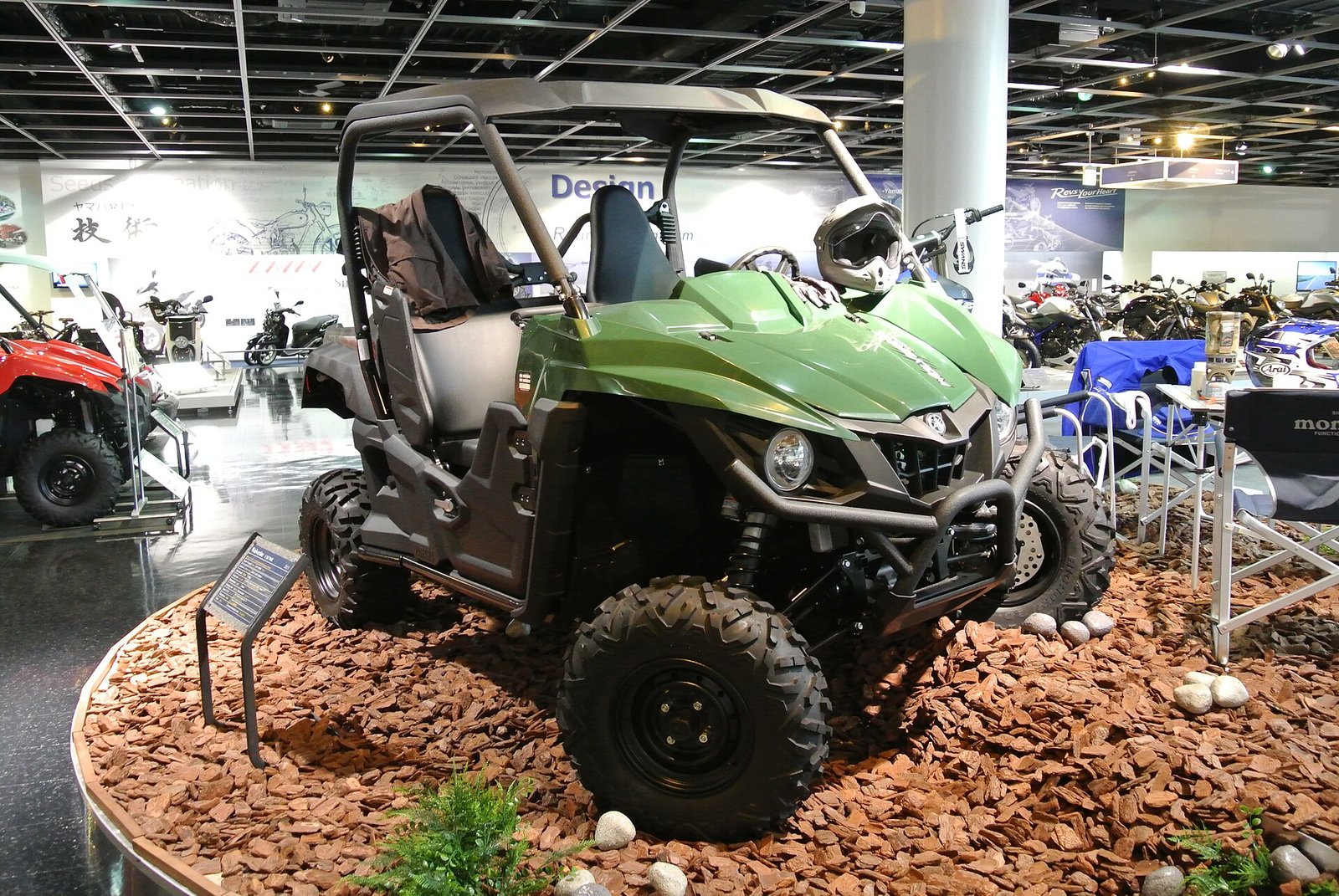
The Yamaha Wolverine 850 is the 2021-and-later X2 850 and X4 850 side by sides, both built around the same 847cc parallel-twin and Ultramatic transmission. Most 850 owners love the machine, but a handful of complaints show up over and over on the forums.
The top issues are a CVT belt that shrieks on long climbs, intense cabin heat around the console, driveline clanks when the gear lash loads up, and front differential damage when winching in diff lock. Below is what actually goes wrong, what causes it, and the fixes owners have proven out, with real forum accounts cited throughout.
The 847cc Twin Behind Every 850
Before the problems, it helps to know exactly what you are driving. Yamaha’s official spec sheet for the 2023 Wolverine X4 850 lists an 847cc parallel-twin, liquid-cooled, DOHC, four valves per cylinder engine with an 82.0mm bore and 80.2mm stroke and a 10.5:1 compression ratio. Fuel delivery is Yamaha Fuel Injection (YFI) through dual 36mm throttle bodies.
So the 850 is a parallel twin, not an inline or a single, and it is fuel injected, not carbureted.
Power goes through the Ultramatic V-belt transmission with all-wheel engine braking, offering L, H, N, and R ranges. Drive is the On-Command 3-way locking differential that lets you switch on the fly among 2WD, 4WD, and 4WD with diff lock. Every problem in this article traces back to one of those systems: the belt, the heat that radiates from the engine tunnel, the driveline lash, or the diff.
CVT Belt Shriek on Steep Climbs
Hands down the most talked about 850 issue is the belt. On a long, steep, sustained climb, some owners hear a loud shriek they have never heard before. One 2021 X4 owner on the Wolverine forum described hitting a quarter-mile hill that gained roughly a thousand feet, flooring it in high range in 4WD, and the machine let out this loud shriek with right around a thousand miles on the clock.
He posted about it in the 2021 X4 Possible Belt Slippage thread and a crew of owners jumped in with the usual suspects.
In most cases the shriek is belt slip under a big load in high range with a wet or muddy belt. The Ultramatic fan pulls in dust and water, and once the belt gets contaminated or the sheaves pick up material, it can lose grip in high gear. Owners report the same noise goes away after a proper CVT service: pulling the cover, cleaning the belt and sheaves, and replacing the drive belt.
The factory maintenance schedule calls for CVT service in line with Yamaha’s Ultramatic technical bulletin, which works out to around 1,600 miles under normal use. If you ride mainly in mud, water, or sand, shorten that interval. A quick belt-and-clutch service kit, like a CVT belt and clutch cleaner kit, makes the job straightforward and is worth having on hand before you pull the cover.
Cabin Heat Around the Console
Heat in the cab is the second complaint you see constantly. Cooling lines run along the firewall and down the tunnel, and on the 850 that puts a lot of heat onto the driver’s right foot and the front passenger’s left foot. One Florida owner on the Wolverine forum reported the cab getting uncomfortable in slow going with a windshield and rear window fitted, which traps the radiated heat inside.
That exchange is up in the 2019 X4 heat issues thread.
Owners have fixed this a few ways. Lifting the console and adding heat shield insulation tape on the tunnel, insulating the body panels, and in some cases running a small bilge fan ducted into the tunnel to keep air moving.
A common trick is a roughly 270 cfm marine bilge blower mounted to blow across the tunnel, which noticeably cools the foot well on hot days. It is a two-hour job and most owners say it is the single most effective heat fix on the machine.
Driveline Clanks and Knocking Noises
The driveline makes more noise than a nervous owner expects, and a good portion of it is just the nature of the platform. The gear lash between the transmission, the shafts, and the diff loads and unloads as you get on and off the throttle, which shows up as a clank or a knock.
Owners on the forum have chased this for months, swapping trans oil for a heavier synthetic and verifying heat shields and coolant line clamps were tight against the skid plate before deciding the residual sound is backlash, not damage.
There is one specific noise worth knowing before you own one of these: the clank you hear on a steep downhill crawl when the engine brake engages. The one-way sprag and driveline lash grab and release as you descend, and that is normal behavior for the on-demand engine braking system, not a broken part. If you hear a sharp clank only while crawling downhill in low range, leave it alone.
When the clank turns into a real shudder under acceleration in 4WD, that is a different story. Owners report a vibration through the floor and pedals that is not caused by lift kits or aftermarket tires, and the usual cause is front driveline slop. Inspect the front driveshaft joints and the CV boots before you go chasing the transmission, because a worn joint will buzz and vibrate long before it fails.
Front Differential Stress From Winching in Diff Lock
The front diff is the one place where the 850 can actually break if you misuse it. The three-way diff lock is great for crawling, but it is not built to be under load with the wheels turned hard. One owner on the Wolverine forum broke the front differential spider gears while winching with the wheels turned in diff lock, and had to source a new diff that ran close to $1,900 before choosing to have the case welded and rebuilt.
He walks through the whole ordeal in the broken front differential thread.
The rule owners repeat is simple: never winch while the front diff is locked, and never make full-lock turns under power in diff lock. Use diff lock only for straight-line grip out of a hole, then switch back out before you turn. If you winch a lot, release the diff lock before reeling the cable and keep the front wheels pointed straight ahead. This one failure is the most expensive on the whole machine, so it is worth forming the habit early.
Electronic Power Steering Pulling to One Side
A smaller but annoying issue is the EPS drifting. Some owners report the 850 pulls to the right with their hands off the wheel even though the alignment looks fine. On the Wolverine forum, owners found the pull follows the electronic power steering unit: with the EPS power disconnected the machine tracks straight, but with it active it drifts.
The common fixes are recalibrating the steering angle sensor and, if that does not take, doing a battery disconnect to let the EPS reset.
If the machine has a lift kit, oversize tires, or heavy front accessories, check those first, because added front weight and extra scrub radius push the EPS harder. And align the toe in line with the service manual before you assume the steering is at fault. Early Wolverines came from the factory with toe-in set too high, which chewed through tie rod ends fast, so get the front end checked if the tires are wearing on the outer edges.
Engine Cooling and the Fan Switch
The 850 normally runs warm, and that is expected for a firewalled twin, but a genuine overheating event is different. Owners have documented the stock fan cycling on around 205 degrees F on the X4, cooling the machine back below 195 F.
If your temp light comes on and stays on, check the fan actually spins, then bleed the cooling system using the thermostat bleed screw, because an air pocket at the temperature sensor reads hot and trips the warning even when the coolant level is fine.
Keep the radiator and the tunnel intake clear of mud and debris, especially in creek crossings. A plugged radiator on a liquid-cooled twin builds heat fast and can push the Ultramatic belt toward overheating, which loops right back to the belt slip problem above. If you ride muddy trails regularly, a quick radiator rinse is cheap insurance.
Fuel and Throttle Behavior on an EFI Twin
A couple of older online write-ups talk about carburetors and choking the throttle on the 850, but that is outdated advice and it is wrong for this machine. The 850 is fuel injected, so there is no carb, no choke butterfly, and no pilot jet to clean. If you get a stumble, a hard start, or a flat spot off idle, look first at the fuel delivery side: a bad tank of fuel, a partial blockage, or an injector acting up.
Because the 850 sits low and the filler area collects crud and water, moisture in the tank is a real risk on this model, far more than on a raised tank. If it acts up after a storm or a creek bath, inspect the tank vent and the fuel pick up, and check the water filter if one is fitted. If you drain the tank to be safe, dispose of the fuel properly; do not just dump stale gas with water in it back into the jug.
cvt belt cleaner clutch cleaner
Owners of this machine rave about it. See today’s price on Amazon.
What to Check Before Buying a Used Wolverine 850
If you are shopping used, the belt and the front diff settle which bike you bring home. Do a hard, sustained climb in high range and listen for the belt shriek. If it cries, budget a CVT service immediately, and check when the last one was done. Look under the cab for scorched or blistered heat shielding, which tells you how it was ridden in heat. Get the front end up and check the tie rod ends for play and the front driveshaft joints for slop.
Ask for service records on the Ultramatic and the front diff oil. A diff that has been winched in lock often has a crack or a weld on the case, which some owners never mention. And pull the EPS test: drive hands off on a flat road and see if it tracks straight. These four checks catch the expensive failures before you own them.
Bottom line
The Wolverine 850 is a dependable, durable side by side, and none of these problems are widespread failures on every unit. The belt shriek is service, the cab heat is a fixable comfort issue, and the driveline clanks are mostly normal lash. The real money trap is the front diff, which you avoid by never winching in diff lock with the wheels turned.
Keep the CVT serviced, keep the radiator clean, and check the driveline joints when you shop used, and the 850 will run clean for years.
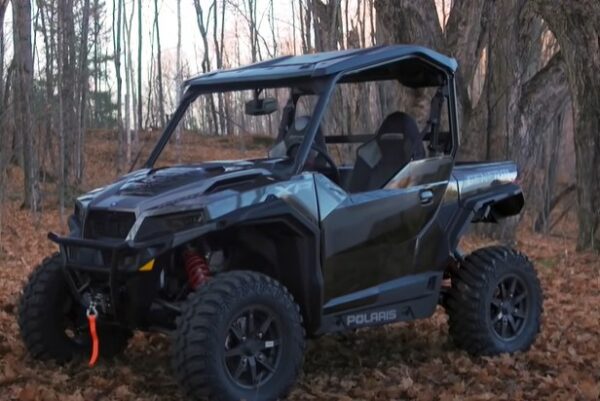
If you are comparing it against other machines, the Wolverine X4 shares this same 847 twin and Ultramatic platform, while the Polaris General is the closest rival with its own belt and clutch quirks.
And if you are working with a lighter-class machine instead, the Yamaha Viking, Grizzly 700, and Rhino 450 each have their own documented trouble spots you should check before you buy.