
As an Amazon Associate I earn from qualifying purchases. This article contains affiliate links that may earn a commission at no extra cost to you.
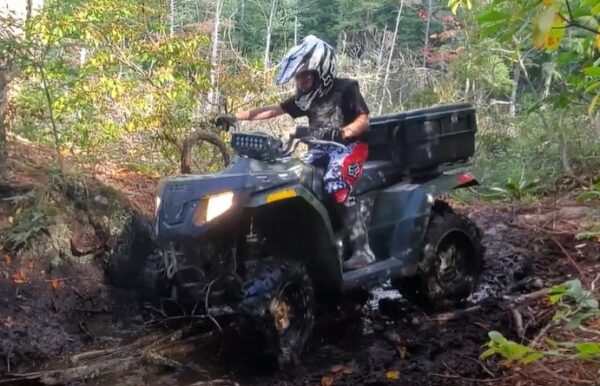
The Polaris Hawkeye 300 is the little entry-level single Polaris sold through the mid-2000s: a 299cc four-stroke, carbureted, with an automatic PVT belt drive and a shaft final drive in a 2WD chassis. A 4×4 version was offered as well.
Owners still ride these machines two decades on, and the complaints that keep showing up in owner threads cluster in five areas: factory carburetor jetting, a rich stumble on hills, stale fuel after storage, a whining bearing inside the clutch cover, plus water sneaking in through the carb vent hose. None of these are engine rebuilds.
Here is what each problem looks like, what causes it, plus the fix owners actually used, along with what to check before you buy one used.
Factory Jetting Was Off From the Crate
The biggest theme in Hawkeye 300 threads is the carburetor, and the factory jetting was off on a lot of machines from day one. Take the 2006 owner on ATVConnection whose quad ran so lean that the engine overheated to the point of boiling the gas in the carb bowl. The machine lost power and died at idle, then got hard to restart. A local shop worked on it for a long time and swore it was fine, but it was not.
A Dynojet rejet kit finally gave it power that never quit. Polaris’s own spec sheet confirms the basics you are working with: a 299cc single with a carburetor and air and oil cooling, with no electronics to hide behind.
The thread is a good example of why you should not trust a shop verdict blindly. That owner tried the obvious things first: a new battery after winter, a throttle cable adjustment, even starting fluid. What actually mattered was that the factory jetting was lean and the engine was cooking the fuel in the bowl. He described the jetting as the way the machine came from Polaris, and the Dynojet kit made it run just a tad rich but never die.
The strong suction he felt on the pull rope during the no-start was a good sign, since it meant the crankcase seal was fine, so he could rule out a vacuum leak and focus on the carb.
Other machines came out running rich instead, which is why the tuning advice in the threads runs in both directions. The common denominator is that the mid-range needle and the pilot circuit were not right on a lot of these quads. If yours smells gassy, idles high, or stumbles as it warms up, treat the jetting as the suspect before you replace any parts. A jet kit and a clean pilot circuit fix the lean stories and the rich ones both.
Runs Rich and Bogs Under Load on Hills
The other side of the jetting coin shows up as a stumble when you actually use the machine.
A 2006 owner on the Polaris forum described his granddaughter’s 300 loading up and running rich every time it climbed a hill, with the engine boggling at full throttle and a high idle in between.
He had already fitted a 137.5 main jet plus a new spark plug and a clean air filter, and it still did it. The thread notes the machine had done this since new, so this was not wear, it was how the quad was set up out of the crate.
The fix the thread settled on was to raise the metering rod clip one notch at a time to lean out the mid-range, then re-check the pilot air screw on the bottom of the carb, which should sit around 2.5 turns out. On this carb the pilot screw sits under a brass cap, and owners drill the cap out with a small bit, thread in a sheetmetal screw, then pull it with pliers.
The dealer had drilled six holes in the air filter box when this quad was new, a trick that showed up at Polaris dealerships of the era. It changed nothing.
Owners also report the bog getting worse on side slopes and steep climbs, where the fuel in the float bowl sloshes and the pickup starves or floods depending on the angle. If your Hawkeye stumbles only under throttle on a grade, start with the jet needle and the float level, not the fuel pump. Check the float height while the bowl is off, and clean the pilot passage while you are in there.
Stale Fuel and Hard Starts After Storage
The other classic carb killer on these machines is sitting. The owner in the ATVConnection power-loss thread had an 06 Hawkeye with just 89 hours on the clock that would not rev up, died at idle, then refused to restart. Gas had sat in the carb for about six months with no stabilizer.
When the machine finally fired, fuel poured out of the drain hole on the bottom of the carb and kept coming until the tank was empty, the classic stuck float needle and gummed-up passages.
That machine needed a full carb teardown and rebuild. Prevention is cheaper: add fuel stabilizer before storage and drain the float bowl. If a used quad has been parked for a season or two, plan on pulling and cleaning the carb before you trust it. Old gas is the reason most of these show up in the won’t-start threads.
The good news is that a rebuild kit is cheap and the carb comes off these machines easily, so this repair is an afternoon job, not a shop bill.
Whining From the Clutch Cover: Check the Bearing
The PVT belt drive is the other thing owners talk about, usually for one specific noise. A 2006 Hawkeye 300 owner on the Polaris forum chased a whining, grinding sound from the clutch cover for weeks.
It showed up when he got on the throttle and faded at idle, and it even made the noise in neutral. He replaced the belt first because he suspected rubbing, but there were no marks inside the cover, so that was not it. The actual fix turned out to be the bearing inside the clutch cover itself, which he described as an easy replacement that made all the difference.
If your Hawkeye whines or grinds from the clutch cover area, pull the cover and check that bearing before you buy a belt. The owner in that thread tried the belt first and found no wear marks anywhere, which is a useful clue: a healthy PVT leaves the cover clean, and a bad bearing usually feels rough when you spin the clutch by hand with the cover off. Dirt and water inside the cover wear it out, and the noise is often the only warning you get.
Polaris ran this same PVT layout for decades and carried it onto much bigger machines, which is why the Polaris General has its own collection of belt and clutch stories.
Water Crossings and the Carb Vent Hose
The carb sits low on the Hawkeye, and the vent hose that lets the float bowl breathe runs down toward the rear of the machine. Owners who ride water know exactly where this ends up: dip the vent under water and the engine sputters and dies. In the first-impressions thread on ATVConnection, one owner fixed it by shortening the vent hose and routing it up so it stops near the tank.
The machine went from sputtering in shallow water to running clean in deeper crossings.
It is a five-minute reroute with a piece of hose, and it is the same fix you see on most carbureted quads of this era. The float bowl needs atmospheric pressure to feed fuel, and a vent that has dipped underwater turns the bowl into a vacuum chamber, which is why the engine dies mid-crossing. If you ride creeks at all, do this before you rebuild anything else.
The same thread is full of the machine’s better traits, from the IRS ride and the tight turning radius to the front storage bin with drain plugs, which owners loved for keeping gear dry.
Suspension: Soft IRS Ride, Stiff Rear Springs
The ride is where the Hawkeye surprises people. The spec sheet lists a MacPherson strut front end and a dual A-arm independent rear with an anti-roll bar and 20.3 cm of travel, and owners call the IRS ride the best part of the machine. One described it as riding on pillows, and another praised how stable it stayed on extremely uneven ground, like driving down a creek bottom.
The gearing is low enough that the little 300 climbs out of things you would not expect, and the turning radius makes it feel smaller than it is. The 4×4 version adds an on-demand AWD setup where the front wheels only engage when the rear loses traction.
The common gripe is the rear springs, which owners describe as stiff. With taller tires the machine plows when turning, and in off-camber spots it can tip over if you are not paying attention. The documented tweak is to remove the rear sway bar. One owner said it made the ride noticeably smoother without hurting stability, and the rear springs have adjustable preload you can soften.
Stock rubber was a 22-inch set: 22 x 7-12 front, 22 x 10-12 rear. Owners almost universally step up to 25-inch tires. One rider called the 25s about 12 percent bigger than the stock 22s, which throws the speedo off by around 5 mph. He clocked 50 mph on a dirt road with them.
What to Check Before Buying a Used Hawkeye 300
Most of a used Hawkeye’s health shows up in three places, so run the list in order. First, the carb. Ask when it was last cleaned and whether the jetting was ever touched. A quad that idles high, bogs on hills, or smells like raw gas has the factory tuning issue. You can use that as a bargaining chip, and budget for a jet kit and a carb service if the seller shrugs.
Second, the clutch cover. Start it cold and ride it, listening for a whine that comes and goes with throttle. That noise is the cover bearing, a cheap part, but it tells you the PVT was ridden hard or run with dirt in the cover. Third, tires and brakes. The stock 22-inch rubber is often shot by the time one of these hits the used market, and 25-inch replacements are the norm.
The brakes are a single-lever 4-wheel hydraulic disc setup with a rear foot brake, simple to inspect. The seat sits at 81.3 cm and the machine weighs around 520 lb dry, which is part of why it rides so well and why it is a favorite for smaller riders and as a first quad. The archived threads are full of machines bought for wives and granddaughters.
If you are looking at the 4×4 version, test the AWD: the fronts should click in when the rear spins. And check for water damage, meaning mud in the airbox and a hacked-up carb vent hose. Parts are easy to find, since these machines are everywhere and get parted out regularly when they finally wear out. The mid-2000s Polaris lineup had other options as well.
The Polaris Predator 500 is the sportier manual-transmission sibling with its own starter clutch quirk. The Can-Am Outlander 450 covers similar ground from the other brand.
If you want more machine, the Yamaha Grizzly 700 is the bigger, heavier alternative. For the wider family, our Polaris Ranger years-to-avoid guide is a handy starting point before you shop.
Maintenance That Prevents the Big Three
Most of the Hawkeye’s chronic issues are fuel system and clutch housekeeping, so the maintenance list is short and cheap. Fuel is the first priority. Use stabilizer if the quad sits more than a few weeks, and drain the float bowl before long storage. Old gas is the number one reason these machines come out of the shed dead in the spring.
Second, keep the carb honest. A jet kit and a clean pilot circuit fix the factory tuning complaints, and if you pull the carb, replace the float needle while it is out and check the vent hose routing. Third, look after the PVT. Pop the clutch cover once a season, blow the dust out, then check the cover bearing for play. A belt lasts a long time on a 300 if the cover stays clean.
Keep the air filter clean and the airbox sealed, because this is an air-cooled single that runs hot in slow going. Keep the oil fresh and give the shaft drive the same care as the rest of the driveline, including the grease fittings that the Australian-market version added to its driveshaft. Put the battery on a tender over winter, since the owner in the power-loss thread had to replace his after a cold season.
The 17-liter tank, about 4.5 gallons, is enough for a day of trail riding. Check pad wear on the single-lever discs, and remember that bigger tires change the speedo and the front-end feel.
Bottom line: The Hawkeye 300 is a small and honest utility quad with a surprisingly good ride. The problems owners actually hit are fuel system and clutch housekeeping, not engine failures. A jet kit fixes the factory tuning. A carb service brings a stale-fuel machine back, and the clutch-cover whine is a simple bearing swap away. Those are cheap fixes on a cheap machine, which is why a clean example still earns its keep today.
If you find one that starts and idles clean with no whine from the clutch cover, it is a solid little quad for the money.
If you’re ordering supplies, CVT belt and synthetic ATV oil are the items owners reach for first when they start working on these machines.

