
As an Amazon Associate I earn from qualifying purchases. This article contains affiliate links that may earn a commission at no extra cost to you.
The Yamaha Raptor 700 has been the king of the big sport quad since it landed in 2006, and the 686cc fuel injected single is about as bulletproof as they get. That doesn’t mean it is bulletproof.
Owners who ride hard and mod their bikes keep reporting the same handful of failures: a cracked case around the shifter shaft after the chain comes off, spark plugs that foul on machines with aftermarket fuel programmers, and clutch wear that shows up as metal fibers in the oil. None of them are deal breakers if you catch them early.
This guide walks through each problem, what causes it, and the fixes owners actually use, drawn from real forum threads rather than dealer scare stories.
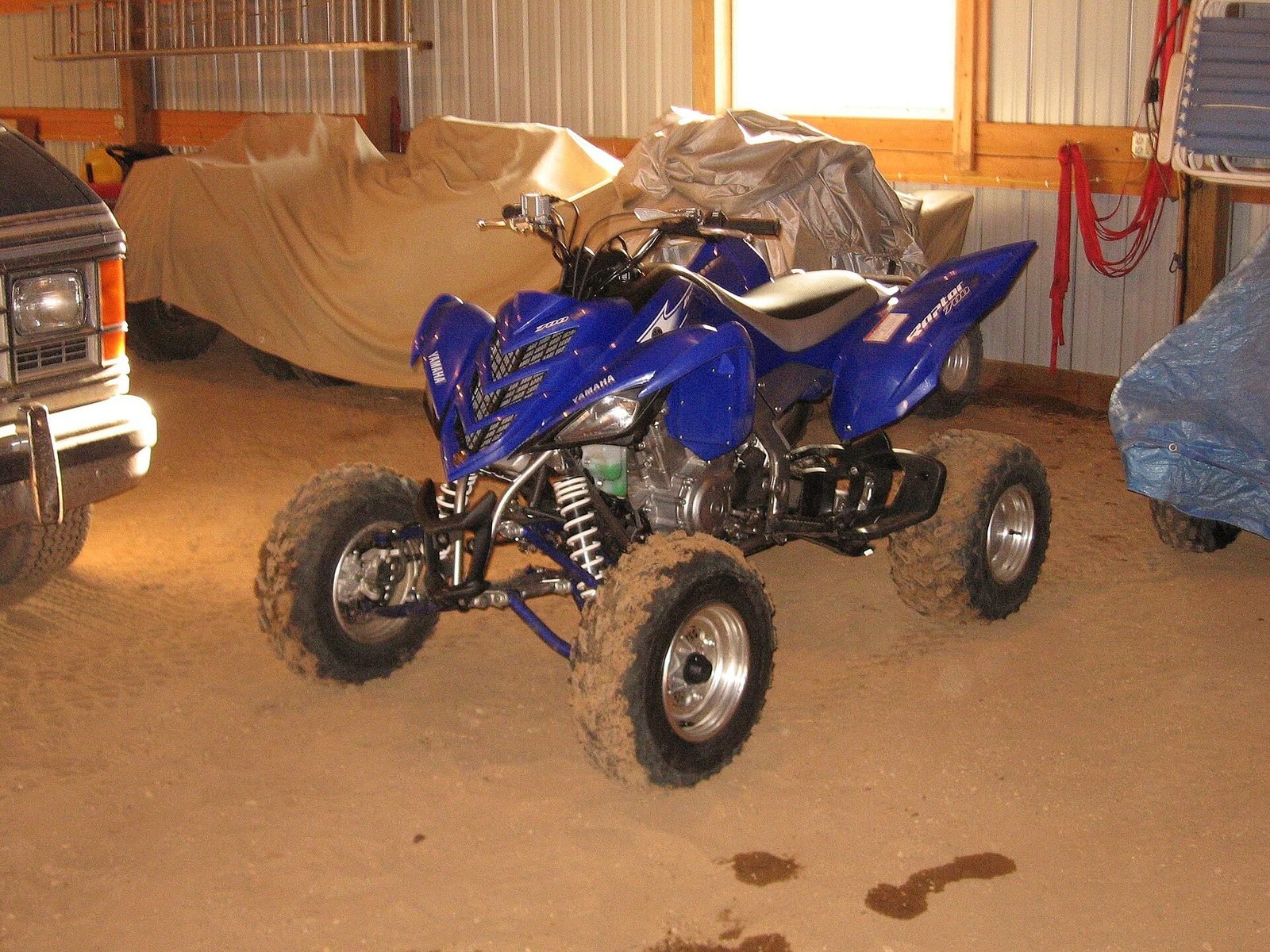
Broken Shifter Shaft Housing From a Loose Chain
The scariest thing that happens to a Raptor 700 is the chain coming off and wrapping around the front sprocket. When it does, the chain bunches up hard enough to crack the engine case right where the shifter shaft exits. One owner described buying a used 2006 Raptor “used and abused” and finding the shifter housing had already been broken and patched with JB Weld, with the patch now cracked and leaking oil.
The chain had come off on the previous owner and done the damage.
If you ride with a loose chain, this is a real risk. The proper fix is replacing the case half, which basically means pulling and rebuilding the motor. Owners who want to keep the cost down grind the crack clean and seal it with JB Weld or get the case TIG welded while the motor is still together. One forum member said a friend ran a JB Welded YFZ housing for two more years with no leaks.
It is not the textbook repair, but it works if the crack is small and the surface is prepped right.
The bigger lesson is preventive. Check your chain tension before every ride, and replace the chain and sprockets as a set when the chain starts to stretch or kink. A wear bar or a properly adjusted chain is far cheaper than a case split.
This is mostly a problem on the 700 because of how much power the bike makes and how easy it is to let the chain go slack after a season of hard riding. When you install new chain and sprockets, torque the countershaft sprocket nut to spec and stake it if your manual calls for it, then re-check the chain after the first ride because a fresh chain will stretch a little in the first hour.
Owners who use a chain wear indicator or just check slack with a finger under the lower run at the spec point catch the problem before it gets dangerous.
If you ever hear a clunk and the shifter suddenly gets stiff or the bike starts dripping oil near the left footpeg, stop riding right away. Continuing to ride can turn a sealed crack into an oil dump that seizes the motor. Even if the leak looks small, clean the area and inspect for movement of the housing, because a hairline crack spreads once it gets hot.
Worth saying up front: the 700 shares its basic 686cc motor with the Yamaha Grizzly 700, so the tuning quirks here apply across that whole family. On the sport side where it is pushed harder, they just surface faster.
Fouling Plugs When You Add a Fuel Programmer
Plenty of Raptor 700 owners add an exhaust, an intake, and a fuel programmer to wake the bike up. That is when the plug fouling starts. A 2006 owner on Raptor Forum described a bike that always ran perfectly until it suddenly started fouling plugs almost every time he started it, on a machine with an HMF pipe, a fuel programmer, and an intake kit.
The culprit turned out to be a throttle position sensor out of adjustment inside the programmer. The programmer thought the throttle was pinned wide open and dumped way too much fuel at idle, which drowned the plug. Re-setting the TPS on the programmer fixed it completely. If your modded Raptor starts fouling plugs out of nowhere, check the TPS setting on your programmer before you chase half the electrical system.
Also confirm the programmer is actually tuned for your exact pipe and intake combo, since a unit flashed for a different setup will run rich the same way.
Clutch Fibers in the Oil (Worn Clutch)
Metal shavings on the drain plug magnet scare every owner. On a well used Raptor 700, the most common source is the wet clutch. One 2006 owner, prepping his bike for paint, ran a magnet through the leftover oil in the tank and picked up what an experienced member immediately identified as clutch fibers. The owner decided to tear the motor down and swap in fresh plates anyway.
Clutch wear is normal on a sport quad that gets hammered, and it is not a sign of a grenaded engine. The symptom to watch is the clutch starting to slip or the bike creeping forward in gear, and if you see fibers on the magnet, plan a clutch service soon. Many owners swap the friction and steel plates as a set and measure the basket for grooves while they are in there.
A worn basket with deep notches will chew up fresh plates in a season, so if yours is grooved, its worth dressing or replacing before you button it back up.
Oil choice matters here too. The Raptor shares its oil with the wet clutch, so a JASO MA rated oil that is safe for a wet clutch is the right call, not a fuel economy car oil. If you use the wrong oil or skip changes, the clutch plates can glaze over and you will chase a slipping clutch that was never actually worn out. That is one of the easier fixes to avoid by just running the correct oil from day one.
Many owners upgrade to the friction plates Yamaha used in the 2004 and 2005 YFZ 450, which are a popular drop in that holds up better to abuse. A new set of friction and steel plates is cheap compared to the labor of getting back inside the motor twice.
Exhaust Heat Around the Right Footpeg
The Raptor 700 header runs near the right side of the bike, and riders who wear soft soled boots complain about the heat more often than on most sport quads. It is not a mechanical failure, but it is the kind of thing that shows up on every used Raptor forum thread once someone takes it out on a hot summer day. A heat shield on the header or simply keeping your boot off the frame on long runs handles it.
If your bike ever smells like hot plastic after a hard ride, check that no wiring or bodywork is resting against the header.
Starting and Front End Quirks on Hard Ridden Bikes
Most Raptor 700s start on the button without drama, even in cold weather, thanks to the reliable electric start and TCI ignition. The problems show up on machines that have been raced or bounced off rocks. Owners who buy used bikes often find a bent upper control arm, missing rear brakes, and a steering head that feels loose, exactly the list one 2006 buyer ran into on his “lil rough” example.
The chain damage hole in the thread above is the visible scar, but the front end is where a hard life shows.
Give the suspension and steering a real once over before you buy or before spring riding. A bent A arm or a tweaked subframe will fight you the whole season and eat tires. On a sport quad, used hard means worn bushings and loose steering far faster than a utility bike.
Front end wear shows up as a wandering feel at speed or a clunk when you hit a bump, not a dramatic failure. Check the tie rod ends for play and look at the frame near the steering head for cracks or fresh paint that might hide a tweak. The Raptors in the bigger Yamaha lineup, like the Yamaha Wolverine 850, stack up differently on this, but the sport-side ones live harder and wear the front end sooner.
Preventive Maintenance That Keeps These Away
Most of the Raptor 700’s serious problems come down to maintenance that never happened. Chain tension and sprocket condition come first, because that is what saves your case. Change the oil and check the oil filter magnet for fibers every time, since that catches clutch wear early. Keep the TPS and fuel programmer settings factory correct if you run one.
On the cooling side, bleed the system and flush coolant on the long intervals; the 700 runs fine when it is clean, but a clogged rad on a hard climb can get it hot fast.
For the chain and case protection I would not overthink it: a good chain and sprocket kit and a fresh set of plates ahead of time beat a case split any day. And when you do clutch service, grab a Raptor clutch plate set before you drop the side cover.
atv chain and sprocket kit
A practical fix that most owners swear by. See today’s Amazon price.
What to Check Before Buying a Used Raptor 700
If you are shopping for a used 700, do the checks that catch the expensive failures. Look under the left side cover and around the shifter shaft for any weld, JB Weld, or fresh sealant, since that is the sign of a past chain strike. Drain a little oil or check the filter magnet for metal fibers. Open the air box and look for a clean filter and no oil blow by. Confirm the chain and sprockets are not worn to hooks.
Ride it and make sure it does not misfire or throw a check engine light on decel, which points to a TPS or programmer issue. And lift the front end to feel for play in the A arms and steering.
A hard ridden 700 shows its history in the plastics and the frame before the motor, so don’t get distracted by a fresh polish. If the bike has had the case patched and it is dry and solid, it can still be a great buy, just budget for the possibility of doing the clutch and chain right after you bring it home. If you end up doing a general clean up, a bottle of synthetic ATV oil is cheap insurance for the rebuild.
If you are comparing older sport quads, the other Yamaha machines in the lineup share some of these habits. The vintage Yamaha Moto 4 models have their own list of favorite failures, and the Yamaha Rhino 450 brings a different set of headaches that are worth reading before you buy.
Bottom line
The Raptor 700 is still the sport quad to beat, and its engine is one of the most reliable singles Yamaha ever built. The failures that do happen, a cracked shifter housing from a slack chain, rich plug fouling on modded bikes, and clutch wear, are all preventable and all fixable with basic tools. The key is staying on chain and clutch maintenance and buying with your eyes open if you go used.
Take care of those, and the 700 will run for years with very little drama.

