
As an Amazon Associate I earn from qualifying purchases. This article contains affiliate links that may earn a commission at no extra cost to you.
The CFMOTO CForce 1000 is the big 963cc V-twin in the brand’s farm lineup, and it makes a stout 90 horsepower. But strong engines like this bring their own trouble. The most common complaints owners report are CVT belt heat, fuel system leaks, and an intermittent stall that leaves the machine cranking but not firing. This guide walks through each recurring issue, what actually causes it, and the fix that gets you back to work.
I have stuck to real owner reports and verified specs, so nothing here is guesswork. If you run the smaller 600 or 800 model, much of this applies there too, since the CForce family shares a lot of parts.
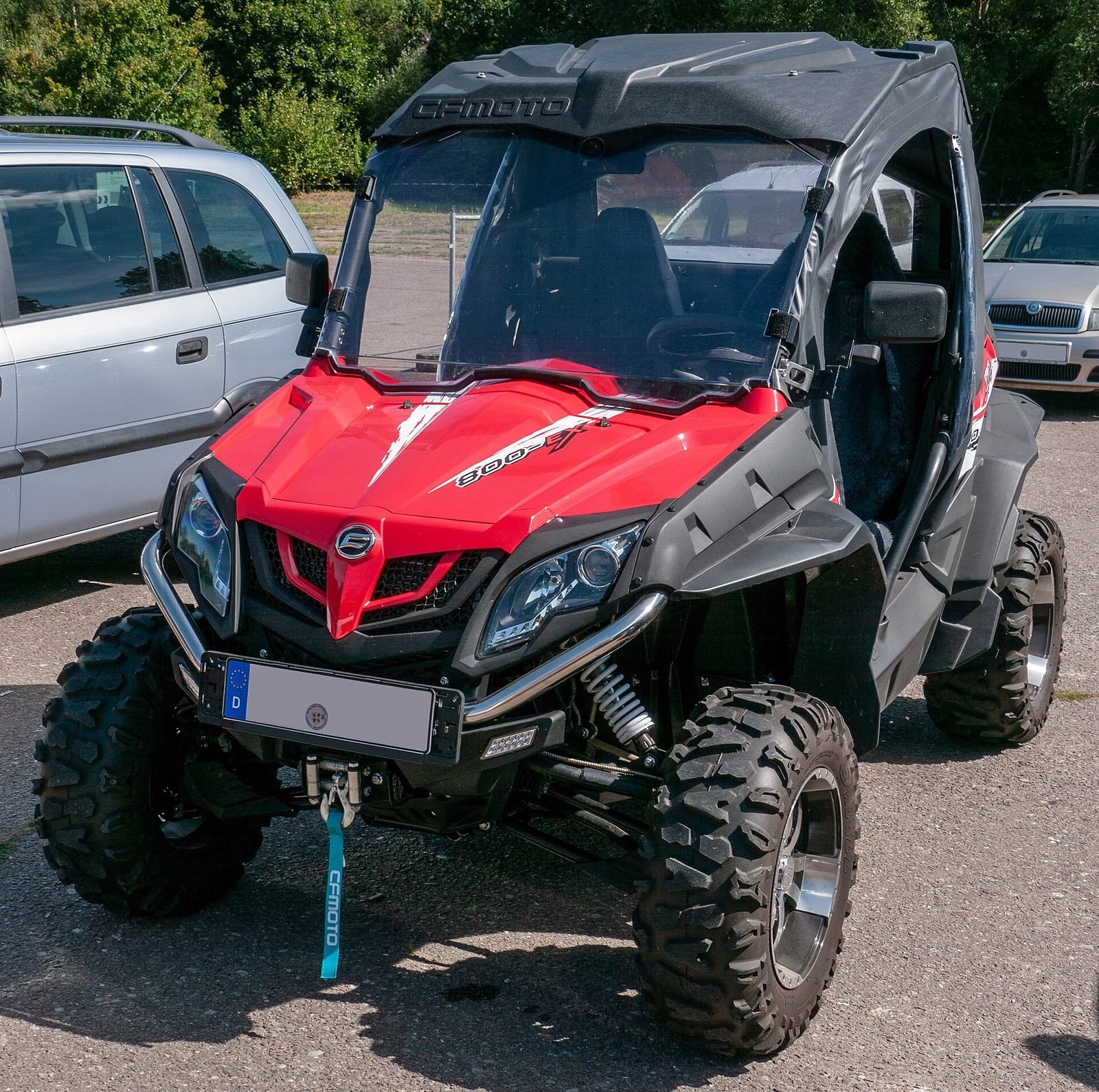
The 963cc V-Twin That Powers It
Before jumping into failures, it helps to know what you are dealing with. The CForce 1000 uses a liquid-cooled, 4-stroke V-twin with SOHC and 8 valves, displacing 963cc. CFMOTO rates it at 90 horsepower at 7,500 rpm with 85 Nm of torque at 5,500 rpm, run through Bosch EFI with SPORT, NORMAL, and WORK power modes.
The same 963cc family spins the CForce 1000 Overland and the UForce side-by-sides, so the parts bin is shared across a lot of machines, including the ZForce 950.
Transmission is a CFMOTO CVT with High, Low, Neutral, Reverse, and Park, and the drivetrain runs 2WD or 4WD with a locking front differential. It carries about 472 kg wet, holds 26 litres of fuel, and tows up to 820 kg. For a farm ATV this is a serious workhorse, which is exactly why understanding its weak points matters before you sink money into one.
CVT Belt Heat and Shredding Under Load
The single most reported issue in the CFMOTO 1000 family is belt life in the CVT. Owners who work the machine hard, hauling fences or climbing loaded, describe the belt getting hot enough to glaze, slip, and in the worst cases shred mid-ride. One owner on the ATV subreddit had the belt disintegrate while driving and had to figure out the sheave nut removal on the trail, learning the hard way that it is a left-hand thread.
The root cause is heat. A CVT builds friction by design, and when you hold it in low range at high throttle for a long climb, that heat has nowhere to go. Cheap replacement belts and a dirty airbox make it worse. This is the same weakness that shows up across the brand, so if you already own a CForce 800, you will recognize the pattern.
Fix it by keeping the clutch covers clean, venting the airbox if you ride hard, and replacing the belt on a schedule instead of waiting for failure. Always loosen the sheave nut in the correct direction (left-hand), and use a quality belt rated for the 1000’s torque. If you do your own service, a good ATV CVT belt kit and a torque wrench make the job straight.
Fuel System Leaks on Newer Units
A worrying pattern shows up on nearly new CFMOTO machines. A 2024 CForce 800 owner reported the unit broke on the first real outing, with white smoke and fuel-smelling fluid pouring from the top of the engine, and fuel pumping out under accessory pressure. The dealer took it back under warranty. Similar fuel pump pressure complaints run through the CForce family.
The cause is usually a loose injector or fuel rail connection, a failed O-ring, or a fuel pump that overpressures. Because it can appear brand new, inspect the fuel system before trusting a fresh machine on a long ride. It pays to give a new machine a careful first-day check rather than discovering a leak miles from home.
If you see fuel or the smell of gas, shut it down and check the rail connections for even seating of the O-rings, and verify fuel pressure if you have a gauge. This is warranty territory on a new unit, so let the dealer handle it rather than risking a fire. A small leak ignored can turn into a much bigger problem, both for your wallet and for your safety.
Intermittent Stall and Hard No-Start
Another recurring complaint is a machine that dies under load for no obvious reason, then cranks fine but refuses to fire. A CForce 500 owner described exactly this on a 275-mile unit: two stalls climbing hills about five minutes into a ride, followed by a no-start that survived a new injector, new fuel filter, new battery, and a cleaned tank. Other owners pointed at a plugged airbox nest or a fuel delivery fault.
The frustrating part is how many things cause it. On the EFI CForce models the usual suspects are a marginal fuel pump, an EVAP canister that blocks tank venting, or an airbox that a rodent has turned into a nest, since these machines often sit in barns. Because the cause varies from bike to bike, you have to test in a clean order instead of throwing parts at it.
Work through it in order. Check the airbox for debris first, then the fuel filter and pressure, then the EVAP vent. A replacement fuel filter is cheap insurance, and cleaning the EVAP canister vent often restores a machine that was flooding itself. If the machine sat for months, also drain any water that has settled in the line.
Water and Ignition Sensitivity
CFMOTO positions the CForce line as work-ready, but owners find the ignition components are sensitive once water gets involved. The 1000’s coil and plug caps sit exposed, and after a deep puddle or a pressure-wash session, a perfectly good machine can misfire or refuse to start until it dries out.
This is less a design flaw than a maintenance reality. Dielectric grease on the plug boots and coil connectors, plus a sealed fuse box, prevent most of it. If you ride through standing water, dry the connectors afterward and consider a set of dielectric grease and a small wire brush as a trail staple. Owners who run their machines through creeks report the same sensitivity, so take deep crossings slower than you think you need to.
EPS and Steering Wear on Loaded Machines
Because the 1000 sees heavy front loads, owners report the electric power steering and rack taking a beating. The review crew noted the earlier Landboss 800 got uprated steering rack bearings after wear complaints, and the same lesson carries across the brand’s big machines. If you plow or carry a front rack load, the extra weight stresses the EPS motor and the rack bearings.
Watch for a notchy feel or a groan when turning at low speed. Check the rack boots for damage and keep the tie-rod ends greased. Catching it early saves a much bigger steering rack bill later, and it is a good reason to favour machines with upgraded rack bearings when buying. If you plan to work the front end hard, budget for an inspection of the EPS assembly as part of regular service.
CVT Cover and Belly Build-Up
Farm work means mud, and the CForce 1000’s open belly collects it. Owners find that mud packed into the CVT cover and around the belly pan holds heat and accelerates belt wear, and it also hides leaks from filters and lines that sit low. A packed cover effectively turns a cooling problem into a belt failure waiting to happen.
Make a habit of hosing and drying the undercarriage after muddy days. Pull the CVT cover drain plug and let water and grit out, and check the low-mounted filters. A clear afternoon of maintenance here does more for belt life than any upgrade. It also gives you a chance to spot a slow leak before it strands you.
Electrical Gremlins and Connector Corrosion
Intermittent electrical faults are a running theme in CFMOTO owner forums. A light that flickers, an EPS that cuts in and out, or a sensor code that will not clear often comes down to a corroded or loose connector, especially on machines that live outdoors. The brand has improved wiring over the years, but the 1000 still uses a lot of weather-pack style plugs that need attention.
Go through the main harness connectors under the seat and behind the dash once a year, clean each pin, and re-grease. A voltmeter and a can of dielectric grease solve more of these mystery faults than any parts replacement. Where an upgrade machine makes sense, look for one with sealed or relocated connectors. The same connector discipline that keeps a UForce 1000 running keeps this one honest.
atv cvt belt
Owners of this machine rave about it. See today’s price on Amazon.
What to Check Before Buying a Used CForce 1000
If you are shopping used, the checks follow directly from the failure points. Open the CVT cover and look at belt condition and clutch wear, since a shredded belt is the top red flag. Ask whether the fuel system was touched, and look under the seat at the pump and rail for staining that suggests a leak that was never properly fixed.
Start it cold and warm, then ride it under load up a hill to feel for belt slip and watch the temp. Inspect the rack boots for tears and the frame rails for signs of heavy plow use. And test every electrical feature, EPS, 4WD lock, and winch, because connector faults are the cheapest to hide. A clean service history beats a low price every time on these machines, and a machine that was washed regularly is far less likely to be hiding corrosion.
Maintenance That Prevents Most of It
Most of the CForce 1000’s complaints are avoidable with a simple routine. Change the oil and filter on schedule with a high-quality synthetic ATV oil, and check the air filter after every dusty ride. Service the CVT belt before it fails and keep the clutch sheaves clean. Flush the coolant at the interval and inspect belt and hoses for cracking.
Keep the battery on a maintainer if the machine sits between uses, since a flat battery causes no-start confusion that gets blamed on everything else. And grease the front end and propshaft fittings so steering and drive components last. If you ride this machine for utility, a battery maintainer and a spare belt in the tool box are the two best accoutrements you can buy.
A clean carb or a well-sealed fuel system is the difference between a reliable workhorse and a machine that sits, as anyone who has cleaned an ATV carburetor will tell you.
Image credit: Matti Blume (MB-one), CFMoto ZForce, CC BY-SA 4.0 via Wikimedia Commons.
Bottom line
The CFMOTO CForce 1000 is a strong and affordable farm ATV, but it rewards owners who stay ahead of the CVT belt, the fuel system, and electrical connectors. None of these problems are terminal, and most are fixed with basic maintenance rather than a trip to the shop. If you keep the belt fresh, the fuel system clean, and the connectors sealed, the 963cc V-twin is a dependable work partner for years.

