
As an Amazon Associate I earn from qualifying purchases. This article contains affiliate links that may earn a commission at no extra cost to you.
The Yamaha Grizzly 700 is one of the most dependable big-bore ATVs you can buy. Yamaha backs it with a 686cc engine and the Ultramatic CVT, which Yamaha’s own spec page calls the most durable CVT on the market. That does not mean the platform is problem-free. Scroll any Grizzly forum and the same complaints keep coming up: overheating when the radiator packs with mud, fuel pump fuses that blow, batteries that drain overnight, clutch noise from the CVT, and CV boots that split and throw grease. None of these usually kills the machine, and most are weekend fixes. Here is what actually goes wrong, what owners say causes it, and the repairs that work.
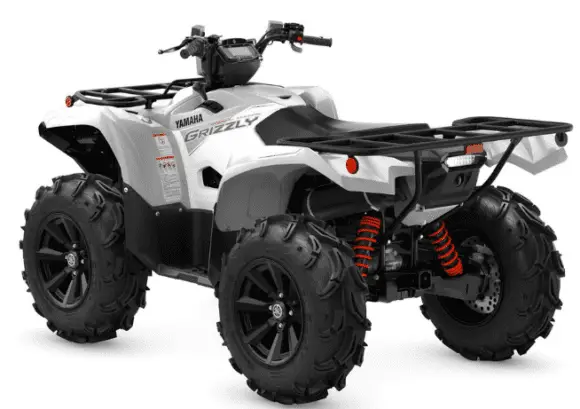
Overheating When the Mud Gets Deep
This is the complaint that ends rides. On a grizzlycentral thread about a 2011 Grizzly 700, the owner pulled a buddy’s tractor out of a mud hole, watched the overtemp light come on, and found the radiator dry. Members walked him through the aftermath: the radiator was damaged, and if an engine gets hot enough, the head gasket is next. That thread ends with the owner ordering a new radiator and chasing an oil leak from the head area, a classic sequence after a hard overheat.
Why it happens is no mystery. The radiator sits low in the nose, and deep mud packs the fins in seconds. Slow, high-load work like winching or dragging puts almost no airflow through the core, so the fan alone cannot keep up. The breather tubes can also burp oil out of the diffs and engine when everything gets hot, which looks alarming but is usually normal. A steady leak is the thing to chase.
The fix starts before the next ride. Blow or hose the mud out of the radiator fins every time you run deep mud, and let it dry before storing. Keep the coolant at the full mark and carry a bottle of premix. If the temp light comes on, stop, let it cool, and check the fluid before you ride on. Also make a habit of watching the fan kick on when the machine warms up at idle; a fan that never runs is a silent problem until the light comes on. If you did overheat it hard, check the oil for a milky look, since a cooked head gasket is the usual aftereffect. Mud riders who live in the swamp have two favorite upgrades: a bigger fan and a radiator relocation kit that moves the core up out of the mud. One owner on that same forum runs a Wild Boar relocation kit and swears by it, and the same crowd snorkels the intake so deep crossings do not turn into hydro-lock events.
Fuel Pump Fuses That Keep Blowing
The fuel pump is the part that strands people. A 2013 Grizzly 700 owner on grizzlycentral described the classic pattern: turn the key, the pump primes fine, the bike starts, runs for about five seconds, then pops the 15 amp fuel pump fuse. Every time. He checked wiring, disconnected the cluster, and the fuse still blew, and the bike would only keep running if he unplugged the pump and plugged it back in to reprime it.
The usual suspects are a pump that is failing and drawing too much current, or chafed wiring that shorts to ground. In his case the pump itself was the problem: he replaced it and the fuse never blew again. A rollover can do the same thing, since a shifted panel or bent bar can pinch the harness underneath. Age matters too, because the pump sits in fuel and the strainer screen loads up over the years, and a loaded strainer makes the pump work harder.
Diagnosis is simple. Inspect the pump wiring for rubbed spots first, then suspect the pump itself before you condemn anything else. If the pump is old, replacement is the fix, and it is a job you can do at home with basic tools. Also carry a couple of spare 15 amp fuses in the tool pouch, because a blown fuse at the trailhead is a five minute fix if you have one.
If you’re ordering supplies, battery maintainer is one of the first items owners reach for when they start working on these machines.
Battery Drains and Cranky Cold Starts
A battery that goes dead overnight is one of the more frustrating Grizzly problems because the machine runs fine all day. A 2016 owner on grizzlycentral went through two new batteries before he started testing properly. The bike charged at 14.5 volts while running and dropped to 10.5 volts while cranking, but if he unhooked the battery overnight it started the next morning, which is the signature of a parasitic drain.
You can find these drains at home. Set a multimeter to amps, put it between the battery and the ground cable with the key off, and watch the reading. A healthy setup sits near zero milliamps when everything sleeps. Then pull fuses one at a time until the draw drops, and whatever circuit kills the drain is where you dig. That owner traced his to the starter relay circuit, and the fix was straightforward once he knew where it was. While the battery is out, clean both posts and the ground cable ends, because a corroded ground causes the same symptoms and costs nothing to fix.
The same weak-battery story shows up as cranky cold starts. A Grizzly with a tired battery or a poor ground connection cranks slow, and the EPS models are extra sensitive to low voltage. If your machine starts hard when it is cold, check the battery and the ground cable before you blame anything deeper, and put it on a tender if it sits for weeks.
Clutch Noise and Binding From the CVT
Yamaha’s Ultramatic is tough, and the company says it is proven to be the most durable CVT on the market. But it is not maintenance-free, and the symptoms show up as noise and resistance. One 2007 owner on grizzlycentral described it as a stuck brake: the machine did not want to move, he had to rev it hard to get going, and there was a howl from the clutch case. He had spent the spring pulling a heavy drag, and the work exposed what was already loose.
Tearing the cover off found the culprit: the primary clutch nut had backed off, and the inner sheave splines were stripped from running loose. That is the failure mode that shows up in the higher-mileage and hard-work machines, and it is worth knowing the sound of it. The belt itself is worth inspecting while you are in there, because a glazed or worn belt changes how the machine feels at speed and in mud.
Do not ride a howling clutch. Pull the cover and look at the primary sheave, the nut, and the splines before the damage gets worse. If the nut backed off, replace the damaged parts and torque the new nut properly; the forum veterans in that thread pointed out that a correctly torqued nut does not need threadlocker, but a loose one will strip the splines every time. Worn sliders and roller weights cause a different, sloppier feel, and the one-way bearing is another wear item owners replace while the cover is off.
CV Boots That Tear and Throw Grease
The CV axle boots are the quiet killers. They crack at the folds, sling grease all over the underside, and once the joint runs dry it clicks and fails. Owners who catch them early replace the boot instead of the whole axle, which is a fraction of the cost. One 2018 owner on grizzlycentral worked through a boot swap and noted the inner boots are longer than the outer ones, because the inner joint moves laterally with suspension travel.
Boots fail from constant flexing plus mud and grit abrasion, and the stock band clamps can loosen over time. The damage usually starts on the inside of the fold where you cannot see it, so a quick glance from above misses most of the action.
Check them after muddy rides. Squeeze each fold and look for cracks or grease weeping past the clamp, and catch the split while the joint still has grease in it. The job is clean the joint, repack it, clamp the new boot on. A torn boot caught early costs about the price of a good boot kit. Ignored, it costs you an axle.
EPS Acting Up After Water and Miles
The EPS models add electric power steering on top of everything else, and power steering is only as good as the voltage feeding it. On the Grizzly, cranking voltage can sag to about 10.5 volts with a tired battery, and that kind of drop makes the assist feel heavy or grabby. Water crossings and pressure washing are the usual suspects for corroded connectors under the plastics, because the steering sensors and controller live in the same handlebar and frame wiring that sees every splash.
When the steering starts acting odd, check the battery and charging voltage first, then the grounds and connectors, before you suspect the steering motor itself. The EPS controller sits in the same electrical system that produces the battery drain stories above, so a clean, fully charged battery and solid grounds solve more steering complaints than any part replacement. If the assist still misbehaves after the electrical side is clean, that is when you start pricing the steering motor and checking for fault codes.
What to Check Before Buying a Used Grizzly 700
A used Grizzly is a solid buy because the platform lasts, but the common failure points are cheap to check before you hand over cash.
- Start it cold and hot. Slow cranking or a fuel pump fuse that pops under load means a battery, wiring, or pump problem you will inherit.
- Listen for a howl from the clutch case and make sure it moves cleanly in gear in both directions. Resistance means the primary clutch needs a look.
- Inspect every CV boot and the front diff boots for cracks and grease. Tears are a negotiation point, not a deal breaker.
- Check the oil and coolant for cross-contamination. Milky oil or a radiator that keeps needing topped off is head gasket history.
- Test 2WD, 4WD, and the diff lock on a short ride and listen for grinding or a switch that does nothing.
- Ask about mud history. A machine that lived in deep mud has radiator and bearing wear you cannot see, so price it accordingly.
If you are shopping this segment, the Can-Am Outlander 450 has its own list of recurring problems, and the Polaris Predator 500 has its own documented problems to check before you compare. The Yamaha Wolverine X4 is a different animal entirely, but its owners have complaints worth knowing too, and the Yamaha Rhino 450 has its own quirk list if side-by-sides are on the table as well.
Maintenance That Heads Off Most of This
Almost every problem above is a maintenance story in disguise. The radiator fins need clearing after every muddy trip, and the coolant needs checking before long rides. Keep the air filter clean, because dusty riding clogs it fast and a choked filter costs you power. Diff and engine oil changes follow the owner’s manual schedule, and if the vents burp a little after hard work that is normal, but a persistent leak deserves a look. At the start of each season, check the belt and the primary clutch nut, eyeball every boot, and keep the battery on a tender. Write the hours down after each service so you can see the pattern; the Grizzly is predictable enough that your log will tell you what is coming. Even the old Yamaha Moto 4 machines, which are legends for a reason, need this same basic attention to keep running.
The Grizzly 700 is a machine you can trust for a decade, but the common complaints are real and they cluster around predictable spots: the radiator, the fuel pump, the battery, the CVT, and the boots. None of these should scare you off. Catch them early, fix them properly, and the Grizzly will keep pulling, plowing, and trail riding long after lesser quads are parked.

