
As an Amazon Associate I earn from qualifying purchases. This article contains affiliate links that may earn a commission at no extra cost to you.
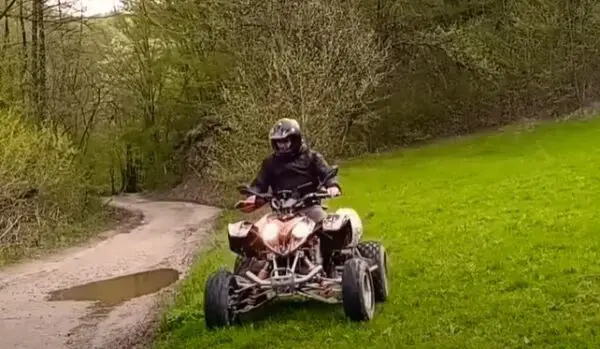
The Polaris Predator 500 is a 2003-2007 sport quad that still has a following among riders who want a light, fast, manual-shift machine. It is also a machine with a short list of well-known weak points. Starter clutch failure is the one owners mention most, and a handful of other issues show up again and again on forums. This article covers the real problems, what causes them, and what a fix actually costs, based on owner reports from Polaris ATV forums.
Starter Clutch Failure: The Most Common Predator 500 Problem
The starter clutch, a one-way sprag clutch that sits behind the flywheel, is the most-reported failure on the Predator 500. Owners describe the same symptom pattern: the starter spins freely sometimes, catches other times, and makes a horrible noise when it does engage. One owner who went through it reported replacing the starter motor first with no change, then finding that the sprag clutch itself was the fault. He found one on eBay for about $130.
Do not replace the starter motor first. The starter motor is usually fine. The sprag clutch is the part that wears, and it is a known weak point on this engine. The symptoms are easy to misread because a failing sprag clutch sounds exactly like a failing starter. When the clutch rollers lose their grip, the starter gear free-spins against the flywheel instead of turning the engine over. On a cold morning you might get several clean starts and then a sudden grinding engagement, which is what confuses owners into blaming the motor.
A second owner who replaced the clutch ran into a related trap: a sheered keeper wafer left the engine turning over noisily with kickback, even though all the gears looked fine. When you do the job, replace the keeper and check the flywheel side carefully, not just the clutch assembly. The part is cheap. The labor is the expensive half, and on a 2003-2007 machine the job means pulling the flywheel cover, holding the flywheel, and working in a tight space. Budget a full afternoon if you do it yourself.
No Reverse: A Design Choice, Not a Defect
The Predator 500 has no reverse gear, and that is by design. It is a 2WD, manual-transmission sport quad built for speed and light weight, and Polaris never offered reverse on it. Owners on the Polaris ATV forums debate how much that matters, and the honest answer is that it depends on where you ride. On open trails it is rarely an issue. In tight woods, on hills, or anywhere you need to back out of a spot, you will wish you had it.
If you are shopping one, treat no reverse as a real usability cost, not a minor quirk. You will be pushing the machine or picking a turnaround point far more often than you expect. Riders who use a Predator for sport riding say it is fine. Riders who want a do-everything quad are better served by a machine like the Polaris Sportsman 600, which has reverse and four-wheel drive. Some owners have added aftermarket reverse kits, but they are rare, expensive, and not widely documented for the Predator, so do not buy one expecting an easy retrofit.
Carburetor and Fuel Delivery Issues
The Predator 500 runs on a carburetor with a vacuum-operated fuel pump, and the fuel system produces a steady stream of forum threads. The classic complaint after a rebuild: the quad idles fine but bogs down and shuts off under load. One owner went through the whole system, verified the vacuum pump held vacuum, and still chased the problem through float level, the jet needle washer stack, and a clogged inline fuel filter.
That thread is a good map of the diagnosis order. Start with the inline fuel filter, which is cheap and clogs first on a machine that has sat. Then drain the bowl and check for gel, varnish, or water. Then verify the vacuum line to the pump is intact, because a cracked vacuum line kills the pump even when the pump itself is good. Only then move to float level and the jet needle. The washer stack above and below the jet needle spring is a frequent mistake point on reassembly, and one wrong washer order will make the quad run rich or lean in a way that shows up exactly as the bog-under-load symptom.
One more carb note specific to the Predator: the factory exhaust on the 500 has a baffle, and owners who remove it change the jetting requirements. If you buy a machine with a modified exhaust, expect the fuel mixture to be off until the jetting is corrected. A quad that ran clean on the stock pipe can run lean on a gutted one, which shows up as backfire on deceleration and a hot-running cylinder. Factor the exhaust state into your fuel-system diagnosis before you pull the carb apart a second time.
Cold weather adds its own failure mode. One owner reported backfire and sputter at higher RPM riding in about 20 degree F conditions, and found gel in the carb drain screw when he checked. That points to fuel delivery and jetting going lean in the cold, not a mechanical failure. Ethanol-blended fuel is the root cause of most of the gel and varnish on these quads. Run stabilizer, drain the bowl before long storage, and consider ethanol-free fuel if you ride a 2003-2007 machine seasonally.
Charging System Failures
Predator 500 charging problems usually show up as a battery that dies mid-ride. One owner on a 2003 model rode the dunes for three or four hours, shut the quad off to look at the view, and came back to a battery so dead that the neutral light would not even come on. He needed a pull start to get back to camp.
The usual suspects are the stator, the regulator/rectifier, and corroded connections. On a quad this old, check the charging output at the battery with a multimeter before replacing anything: at idle you should see charging voltage, and at a few thousand RPM it should climb. A stator that fails under heat, which is the common pattern on this era of Polaris, tests fine cold and drops out when hot. That makes the failure hard to catch at a shop that checks it cold. If the battery dies only after a long ride in hot conditions, suspect the stator before the battery.
Corrosion in the connector between the stator and the regulator is the other classic cause, and it is a free fix: unplug it, clean the pins, and pack it with dielectric grease. Owners who ride dunes, where the machine spends hours at high RPM and low airflow, see charging failures more often than trail riders do. Test the system once a season and keep a multimeter in the toolbox.
Top-End and Timing Chain Work
High-mileage Predator 500s eventually need top-end work, and it is not a beginner job. One owner doing his first rebuild found the timing chain would only fit over one cam, the tensioner was off the head, and the crank bolt would not turn to TDC. That combination points to a dropped or stretched chain, which is a common end-state for a machine that has been ridden hard.
Routine valve adjustment is part of the picture too. The Predator uses shim-under-bucket valves, which means checking clearance requires feeler gauges and, when adjustment is needed, a shim kit. Owners who skip the check on high-hour machines find clearances tighten or loosen gradually, and a tight exhaust valve is a quiet way to burn one. Add valve clearance to the maintenance schedule and keep the service intervals honest; it is cheap insurance on an engine you cannot buy new anymore.
If you buy a Predator with unknown history, plan on pulling the valve cover and checking chain tension before you trust it on a long ride. A stretched chain that skips a tooth bends valves and turns a $100 fix into a full head job. Owners who do the work themselves lean on the Clymer manual, and the job is documented well enough for a careful amateur, but budget real time for it and get the special tools before you start. The flywheel puller and a proper chain-holding tool make the difference between a smooth job and a frustrating weekend. If the quad has been overheated or run low on oil, add a compression test and a leak-down test to the pre-purchase check.
Loose Rear Caliper Bracket Bushing
A less dramatic but very common annoyance is the loose rear caliper mount bracket bushing. One owner who had lived with an 04 for a year called it a common problem with no real permanent fix, just play in the bushing that never quite goes away. It does not leave you stranded, but it makes the rear brake feel vague and can produce a clunk over bumps.
Inspect the bushing when you buy a used Predator. Some owners replace the bushing and gain a few thousand miles of quiet; others report the play comes back. It is one of those issues that is not a deal breaker but will niggle at you, and knowing about it before purchase changes how you negotiate. The bushing itself is inexpensive, and the labor to swap it is modest, so factor it into the price you offer rather than walking away from an otherwise clean machine.
Parts Scarcity: What It Means for Owners
The Predator 500 has been out of production since 2007, and parts availability is the reality check for any owner. Polaris no longer stocks many Predator-specific parts, and dealers rarely carry them on the shelf. Owners report hunting eBay for items like the sprag clutch and waiting out delays on the rest. The machine shares some drivetrain and electrical parts with other Polaris models of the era, which helps, but you will still be sourcing used and aftermarket parts for the unique bits.
Before you buy a Predator 500, check that the parts for the specific year you are looking at are still available. The 2003-2004 models have a few one-year-only parts, and some electrical components are harder to find than mechanical ones. Budget for that reality. If you want a sport quad with easier parts support and a current model, the CFMoto UForce 1000 is a modern alternative, though it is a very different machine. For riders set on the Predator, joining owner forums before you buy gives you the fastest line on who has parts and which aftermarket suppliers still make them.
Used Buying Checklist for a Predator 500
Used Predator 500 prices reflect its cult status. An ATVConnection used-deal feature from 2015 showed a clean 2007 model listed at $3,000 with a seller claiming 73+ mph top speed, and prices have held since because the machine has a following. When you look at one, work this checklist:
Ask when the sprag clutch and starter were last replaced. Start the quad cold and listen for free-spin or grinding from the starter. Check the oil for metal and ask about the last top-end service. Confirm reverse is actually absent, so there are no surprises. Inspect the rear caliper bracket bushing for play. Pull the inline fuel filter and check the bowl for gel or varnish. Test the charging system with a multimeter before you commit. On a 15-plus-year-old quad, a seller who has receipts for a recent clutch and top-end service is worth more than one with a fresh-looking seat.
Maintenance That Prevents Most Predator 500 Failures
Most Predator 500 failures trace back to age, not abuse, and the maintenance list is short. Change the oil and filter on schedule with the correct oil, because this engine is hard on oil when ridden hard. Keep the carb fresh: drain the bowl for storage and run fuel stabilizer, since ethanol varnish is the top cause of the bogging and no-start threads. Check the vacuum line to the fuel pump for cracks every season. Grease the swingarm and suspension pivots, and check the sprag clutch at the first sign of starter noise instead of waiting for it to fail on a ride. Test charging output yearly. On a quad from 2003-2007, those five checks cover the overwhelming majority of what actually breaks.
Storage matters more on the Predator than on newer quads. A winter of sitting with ethanol fuel in the bowl is the single biggest contributor to the carb threads. Fill the tank, add stabilizer, run the engine long enough to pull stabilized fuel through the carb, and drain the bowl anyway. Pull the battery and put it on a tender. Cover the machine so the electrical connectors stay dry. Owners who follow that routine report starting problems are rare.
Bottom line: The Predator 500 is a real sport quad with real character, and the problems are a short, predictable list: the sprag starter clutch, a finicky carb, charging failures, and the no-reverse reality. None of them are hidden defects, and all of them are manageable with the right expectations. For a rider who wants a light, fast, manual-shift machine and accepts that parts hunting is part of ownership, it is still one of the most fun quads of its era. For everyone else, the Polaris General and other current utility models make more practical daily riders.
If you’re ordering supplies, synthetic ATV oil and battery maintainer are the items owners reach for first when they start working on these machines.

