
As an Amazon Associate I earn from qualifying purchases. This article contains affiliate links that may earn a commission at no extra cost to you.
The Kawasaki Prairie 360 is a compact 362cc air-cooled single-cylinder utility quad that Kawasaki sold through the middle 2000s, and it has a loyal following because it is tough and simple. But owners on real forums report a few repeat problems: the exhaust valve gap going out of spec, the CVT drive belt slipping, and carbs that gum up after the machine sits.
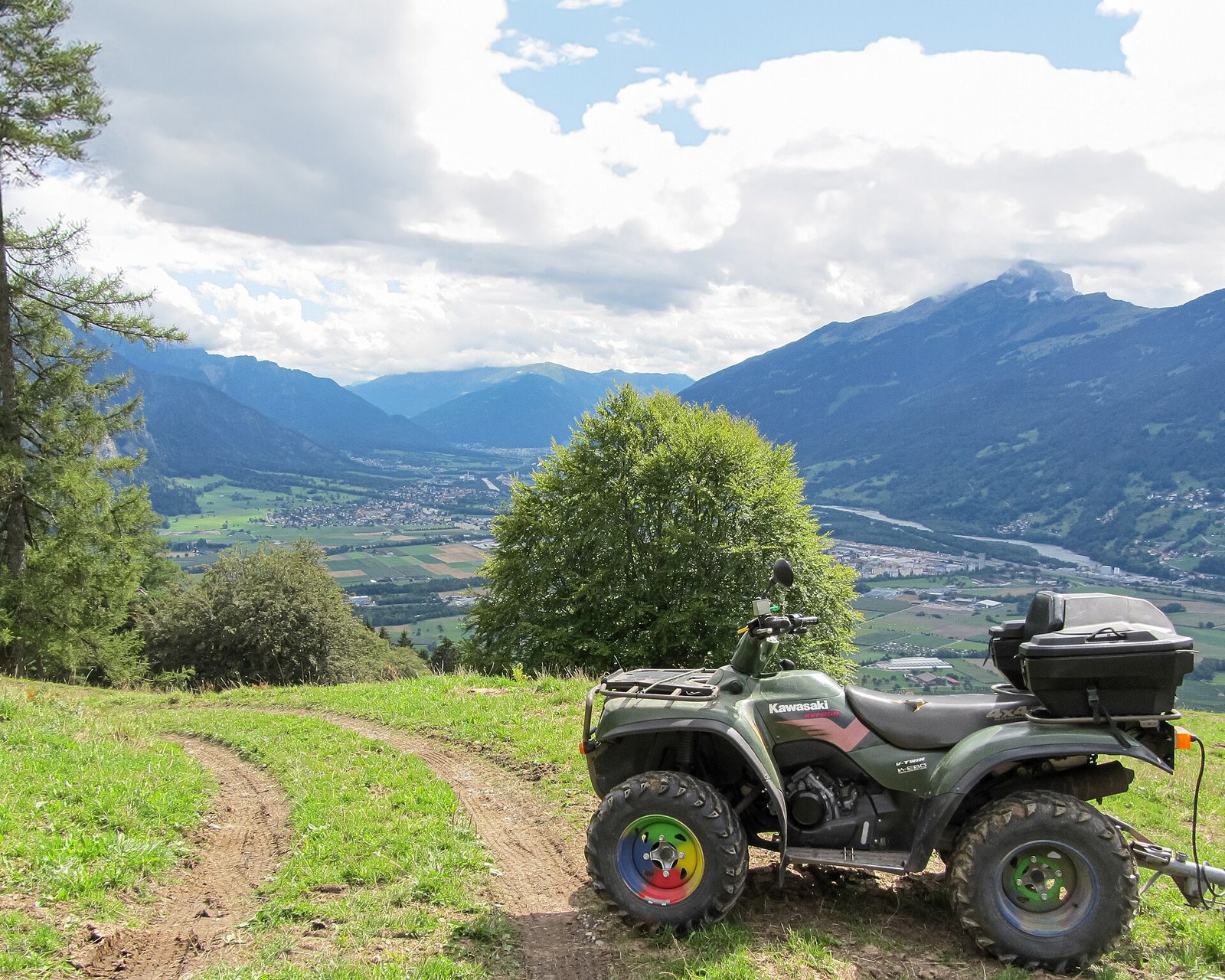
This guide walks through the issues that keep coming up in owner threads, what causes them, and the fixes that actually work.
What the Prairie 360 Actually Is
The Prairie 360 packs a 362cc, air-cooled, SOHC four-stroke single-cylinder engine fed by a Keihin CVK34 carburetor. It runs an 8.3 to 1 compression ratio and a bore of about 79mm. Power goes through an automatic belt-driven continuously variable transmission with high, low, and reverse ranges, then out to the wheels through the selectable four-wheel drive shaft system.
There is no clutch lever and no chain to adjust, which makes the 360 easy for anyone to ride.
That same belt transmission is where a big share of real owner trouble lives. The machine the riders describe in the threads we cite below is this exact one, a 4×4 automatic that pops a check belt light at 100 hours of use. Keep that drivetrain design in mind, because a lot of the fixes below are about caring for that belt and the air-cooled single.
Exhaust Valve Gap: The Number One Sputter
The most common complaint owners report is a 360 that idles fine and revs fine on top, but sputters and pops at low rpm right off idle and feels as if it is running rich.
One owner in an ATVConnection thread about a sputtering Prairie 360 described a machine that would only run with the choke pulled partway and that stalled almost every time he got on the throttle hard from a stop.
When he checked in, other owners pointed at one culprit before anything else: the exhaust valve gap.
A long-time Prairie owner on that same thread put it plainly. Every 360 he has owned starts doing this because the exhaust valve goes out of adjustment quickly, sometimes before 50 hours, and he suspected they were not even set right at the factory. He had cold-start trouble and popping and cracking on deceleration until he shimmed the valve, after which the quad ran like new and no longer needed the choke even in cold weather.
The recommended starting point for the mixture screw is about two turns out from seated. If you set the valve gap and the mixture screw and the sputter stays, then check the carburetor’s vacuum diaphragm for pinholes and the pilot jet for blockages.
Checking valve clearance on the 360 is a straightforward job if you have a good service manual and a feeler gauge, but it does sit behind a valve cover, so budget an afternoon the first time. This is the single highest-yield fix for a rough-running 360, and it explains why so many used ones feel “cold natured.”
CVT Belt Slipping and the Check Belt Light
The belt-driven transmission is the other big talking point for Prairie 360 owners. A machine that slips and howls when you climb a hill or take off hard usually has a belt tension problem or a worn belt.
One owner who replaced his belt three times still reported slippage in a Prairie 360 belt slipping thread, and the forum response was to check and adjust belt tension before blaming the belt itself, and to use low range on any real slope.
There is a documented belt tension adjustment procedure, so a noisy drive does not always mean a new belt.
The 360 also has a check belt light that comes on at roughly 100 hours as a service reminder, per owners in a dedicated check belt light thread. People found the light does not mean the belt is actually ruined; it means it is time to service it.
One member walked through the reset, which involves unplugging a few multi-pin connectors under the shifter and letting the light blink through a reset cycle, then plugging everything back. If your unit shows the check belt light, inspect the belt for wear and confirm tension before you worry that the drivetrain is on its way out.
When you do need a belt, owners found that an aftermarket belt from a cheap parts house can break early, while the factory Kawasaki belt holds up far better. Stick with a quality belt and do not assume more clutch spring tension fixes a tension problem that a proper adjustment solves first.
Carburetor Gunk After the Machine Sits
Because the 360 uses a Keihin CVK34 carburetor and many of these quads get ridden seasonally, the pilot jet is the second-most likely fuel problem. Ethanol fuel left in the bowl for months turns to a sticky varnish that clogs the tiny pilot circuit, and the result is a machine that cranks but will not idle, that dies when you crack the throttle, or that needs the choke held to stay alive.
The fix is a carburetor strip and clean, not a rebuild most of the time. Remove the float bowl, pull the pilot jet and main jet, and run fine wire or carb cleaner through every passage. Check the vacuum diaphragm for pinholes while it is apart, since a torn diaphragm makes the slide behave erratically and causes a bog that looks like a jetting problem.
The owners in the sputter thread confirmed they had cleaned the carb multiple times and the diaphragm looked fine, which is why valve gap eventually turned out to be the real issue on their unit. So do the carb clean, but if it does not fix a low-rpm sputter, move on to valve clearance.
To keep the carb from getting gummed by stale fuel, use a fuel stabilizer before storage and run the quad dry or with stabilized fuel when it will sit through a season. A good stabilizer is cheap insurance against a strip-down later.
Starting Trouble: Battery, Spark, and Stale Fuel
Prairie 360 owners report two flavors of starting trouble: a dead-flat or weak battery, and hard cold starts that trace back to spark or fuel. On the battery side, dirt and corrosion on the terminals drop voltage fast, so clean the posts and the cable ends and charge the battery with a proper maintainer if the quad does not get ridden weekly.
On the cold-start side, a fouled spark plug and stale fuel are the usual culprits before you touch the carburetor. If the plug is carboned and sooty from the rich-running condition that a too-tight exhaust valve causes, clean or replace it. And if that old fuel has been sitting since last year, drain it and fill up fresh with a stabilizer.
On many of these single-cylinder Kawasakis the choke is your friend on first start of the day, and an owner who fixed his valve gap said he no longer needed the choke at all afterward, even in cold weather.
Electrical Gremlins: Fuses and the Accessory Outlet
The accessory circuit is a well-documented weak spot on the Prairie 360. Owners found the 12-volt accessory outlet blowing fuses when they ran a small air pump or a spot lamp, and several discovered the machine shipped with a too-small 5-amp fuse in a circuit the manual called for at 10 amps on later models.
The 360’s electrical system carries a 30-amp main fuse, a 20-amp fuse for the oil cooler fan, and a 5-amp fuse for the drive belt failure light, so the accessory circuit can be easy to overload.
Before you go chasing a big wiring problem, look at the fuse rating for the accessory outlet and the wattage of whatever you plug in. A basic Ohm’s law check works out to about 60 watts on the 5-amp circuit and 120 watts on the 10-amp circuit at 12 volts. If you need to run a bigger accessory, the safer route is heavier wire run straight to the battery instead of popping a larger fuse into a circuit the wiring was not built for.
This is a cheap fix that trips up more owners than it should.
Air-Cooled Engine Care in Slow, Hot Riding
The 360’s engine is air-cooled, so it relies on moving air plus an oil-cooled fan circuit to manage temperature. On a slow rocky trail or when the machine is pulling a heavy load in summer heat, that single cylinder can run hot, especially if the oil level is low or old. Owners who add heavier duty work to the 360 tend to watch the temperature gauge and the oil.
Keep the cylinder fins clear of mud and debris that block airflow, keep fresh oil of the right weight in it, and give the engine a breather on long low-speed climbs. There is no water pump and no radiator to bleed on this model, so the overheating worries that plague liquid-cooled machines mostly do not apply here; your protection is airflow and clean oil.
For oil and filter changes on a machine of this age, a quality synthetic quad oil makes the engine shift smoother and run cooler. That is one of the easiest upgrades you can make to a well-used 360.
atv battery maintainer
A practical fix that most owners swear by. See today’s Amazon price.
What to Check Before Buying a Used Prairie 360
If you are shopping for a used 360, a few checks separate a keeper from a money pit. Run it cold and feel for the low-rpm sputter that points at an exhaust valve gap; a rude-running 360 is a negotiation opportunity, not necessarily a reason to walk, since the valve fix is cheap. Listen for belt howl on a hard takeoff and on a hill, and look for a check belt light that never resets.
Do an eye check under the seat for oil leaks and corrosion on the battery terminals and wiring.
Ask whether the quad sat long enough to varnish the carburetor. Machines that spent years in a garage are the ones with gummed pilot jets. Also confirm the 12-volt outlet works and note the fuse rating. Overall, the Prairie 360 is a solid, easy-to-work-on utility quad, and the common problems are known and fixable rather than mysterious.
That is different from the belt-heavy Kawasaki Mule 3010, which has its own list of drivetrain quirks, or the sport-oriented Kawasaki KFX700 that owners fight about for different reasons.
Maintenance Basics That Keep a 360 Healthy
A small routine keeps the most common Prairie 360 problems at bay. Check the exhaust valve clearance and adjust it whenever the quad starts acting cold natured or sputtering off idle. Inspect belt tension and clean the clutch housing at regular intervals, and treat the check belt light as a service reminder rather than a panic button. Stabilize fuel before long storage and clean the pilot jet if it sits for a season.
Keep the battery on a battery maintainer when the quad is parked, and run quality synthetic quad oil to help the air-cooled single run cool.
Most of these jobs are within reach of a weekend do-it-yourselfer with a service manual, a feeler gauge, and a small socket set. If you are not comfortable pulling the valve cover, a dealer or mobile mechanic can do the valve adjustment for a reasonable price, and it is the fix that transforms the most annoying 360s. A used 360 in good mechanical shape is one of the more forgiving utility quads to own.
Related Quads With Their Own Quirks
If you are comparing the 360 against other mid-size utility machines, each has its own known trouble spots. The Can-Am Outlander 450 is a bigger, liquid-cooled cousin with a set of issues you should read up on, and the Yamaha Grizzly 700 is a much larger four-stroke that owners report on constantly. For a budget modern option, the CFMoto CForce 600 brings its own list of complaints to the table.
Bottom Line
The Kawasaki Prairie 360 is an honest, rugged air-cooled utility quad with a simple, easy-to-service design. Its real owner problems are well known and fixable: set the exhaust valve gap to cure low-rpm sputter, care for the CVT belt, and keep the carb and battery happy. A well-maintained 360 will keep working hard for years, and because the fixes are cheap and documented, it remains a smart pick on the used market.

