
As an Amazon Associate I earn from qualifying purchases. This article contains affiliate links that may earn a commission at no extra cost to you.
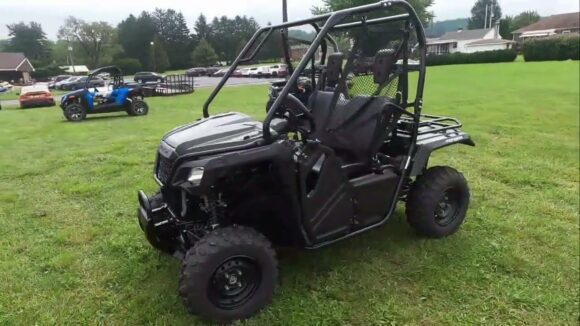
The Honda Pioneer 500 is a 50-inch-wide utility side-by-side that a lot of owners buy for tight trails and light chores, and mostly it earns its reputation for reliability. But hang around the hondasxs.com forum long enough and the same complaints keep coming up: shifting and transmission gripes, an MT/AT mode switch that jams, axle boots that tear, and starting trouble. This post covers the problems Pioneer 500 owners actually report, what causes them, and how to fix them, plus what to check before you buy a used one. I verified the specs against Honda’s official page and pulled the owner reports from real forum threads, so nothing here is a guess.
The 500 has been on sale since 2015 with only small changes, so the problem list is well established by now. Whether you already own one or you’re shopping, the goal here is to separate the real, recurring issues from one-off bad luck, and to give you fixes that don’t require a shop manual.
Shifting Complaints Are the Number One Topic on the 500 Forums
The Pioneer 500 does not use a CVT belt like most side-by-sides. Honda gives it a five-speed automatic gearbox with AT and MT modes and paddle shifters, per the official spec sheet. That means no belt to burn, which is one less thing to worry about, but the gearbox brings its own quirks.
Owners report shift problems that show up as hard engagement, missed shifts, or a gear that refuses to grab. The Pioneer 500 shop-talk section has a long-running thread on 2015 P500 shift problems and a separate one on fifth gear slipping. On my own rides, the low-speed behavior in AT mode is the part that takes getting used to, because the gearbox hunts a bit when you crawl over rocks instead of picking one gear and holding it.
It’s a conventional geared transmission underneath, not a CVT, and that changes the maintenance story. There’s no rubber to stretch, no belt dust to clean out of a clutch housing, and no belt to replace every couple of seasons. The tradeoff is that when something does go wrong, it’s usually internal, and internal means expensive. So the fixes that matter are the cheap ones you can do before it gets to that point.
What fixes it: keep the transmission fluid fresh on Honda’s schedule, and in MT mode give the paddle a clean lift of the throttle between shifts. If a gear slips or the box grinds, that’s a dealer-level job, because the honest answer is internal wear. A slipping gear is not something a fluid change cures.
The MT/AT Mode Switch and Paddle Shifters Are the Electrical Weak Points
The same gearbox has a mode switch that toggles between automatic and manual shifting, and it jams. One owner in the MT/AT switch breakdown thread describes his 2017 P500 refusing to switch into AT at around 5,875 km, and Honda replaced the switch free of charge under warranty while he reinstalled it himself.
Paddle shifters also stop responding for some owners, and there’s a dedicated thread on that too. Before you assume the worst, check the connector under the dash for corrosion and make sure the rubber boot over the switch isn’t holding water. If the switch itself is bad, the part is inexpensive and the replacement is an afternoon job. On newer units still under warranty, let the dealer handle it instead of paying for parts yourself.
The electrical system is simple by modern standards, with no CAN bus modules scattered around like on newer machines, but simple doesn’t mean immune. Corrosion in the connectors under the seat and dash is the usual culprit when lights flicker or a winch acts up. Dielectric grease on every connector you touch is cheap insurance.
Axle Boots Tear, and Grease Gets Flung Everywhere
Rear inner CV boot failures are common enough that the forum has a full walkthrough on replacing a 2015 P500’s rear inner boot. What happens: a rock or a stick nicks the rubber, mud and water work their way in, the joint loses grease, and you start hearing a click-click-click on turns.
Check all four boots whenever you change the oil, and look for a thin line of grease flung along the A-arms, that’s the tell. Catch a tear early and you can replace the boot, clean the joint, and repack grease for the price of a boot kit. Let it run dry and you’re buying an axle. A torn boot on a test drive is also a great bargaining chip if you’re shopping used.
The replacement itself is not bad if you’re handy: pull the wheel, pop the cotter pin and castle nut, separate the ball joint or unbolt the lower A-arm, and slide the axle out. Clean the splines, press the new boot on, repack the joint with fresh grease, and clamp it. Plan on a few hours the first time you do it.
Starting Trouble: Click, No Crank
Starter issues are common enough that the forum has a step-by-step P500 starter replacement guide. Symptoms owners describe: a click with no crank when the battery tests fine, or a slow crank that gets worse in cold weather.
Start with the cheap stuff. The 500’s battery is small, and a parasitic draw from an accessory or winch will kill it fast. Keep it on a tender when the machine sits, clean the ground terminals, and load-test the battery before you buy any parts.
Battery first, always. A battery that reads 12.4 volts at rest can still be dead under load, which is why a load test matters more than a voltmeter reading. If the solenoid clicks but the starter doesn’t turn, check the solenoid and the ground strap before you condemn the starter. If the starter itself is done, the replacement guide covers the job, and it’s a doable weekend project with basic hand tools.
Clutch Adjustment Questions Come Up More Than You’d Think
Even though the 500 shifts itself, it still has a clutch, and owners ask about clutch adjustment when engagement feels abrupt or the machine lurches at takeoff. The forum’s clutch adjustment thread walks through the procedure.
This is worth checking before you tear into anything else, because a simple adjustment fixes a lot of what feels like a transmission problem. You’re chasing a clean release so the machine doesn’t creep or lurch when you take off, and the manual spells out the free play spec. Once it’s right, it’s a set-it-and-forget-it thing.
If adjustment doesn’t smooth it out and the clutch is slipping under load on steep climbs, plan on a clutch pack replacement. That’s a lot of labor, and it’s a job best left to a shop with the right tools.
Know What the 500 Is Before You Call Things Problems
Part of what reads as problems online is really the machine being small on purpose. It’s 50 inches wide with a 73-inch wheelbase and a curb weight around 1,027 pounds with a full tank, so it’s a snug two-seater and you feel every bump. The suspension gets 5.8 inches of travel up front and 5.9 inches out back, braking is dual 200mm discs up front and a 170mm disc in the rear, and ground clearance is 8.5 inches.
Tires are 24-inch units on 12-inch wheels, 8 inches wide up front and 10 out back, and the turning radius is 12.8 feet, tight enough to spin around on most trails. The bed carries 450 pounds and towing is rated at 1,000 pounds, so it’s honest about being a light-duty hauler. The fuel tank holds 4.1 gallons with 1.1 gallons of reserve, so plan fuel stops accordingly. Think of it as a trail tool rather than a ranch workhorse or a sport machine. It is very good at that one job.
It also uses direct front and rear driveshafts, so belt-related advice from other side-by-side forums simply doesn’t apply here. That 50-inch width is the whole point of the machine, since it squeezes down trails where full-size rigs can’t go. The 2WD/4WD switch is dash-mounted, and 4WD feels lazy to engage on hard ground, which is normal for a part-time system, it binds up on pavement and in tight turns, so click into 4WD on loose terrain only.
If you want more power and more room, the bigger Pioneers are different animals entirely, and the Honda Pioneer 700 and the Honda Pioneer 1000 each have their own documented issues you should check before you spend.
Maintenance That Prevents Most of These Problems
Most 500 failures trace back to skipped maintenance, not bad parts. A few habits go a long way.
Torque the oil drain plug, don’t gorilla it. The forum has a thread about a stripped oil drain hole, which is an annoying fix that’s easy to avoid with a torque wrench and fresh crush washer.
Follow the valve adjustment schedule. The P500 valve adjustment thread covers the job, and on a single-cylinder engine it’s a straightforward shim-under-bucket check. Skip it and you get hard starting and a noisy top end.
Flush the coolant on schedule too, there’s a dealer coolant flush cost thread that shows how common the question is. Brake fluid and pads deserve the same attention, since the 500 runs hydraulic discs at all four corners and mud eats pads, so a quick visual check of pad thickness at each oil change catches them before they score a rotor. Keep the air filter clean on dusty trails, because the single-cylinder lives and dies by clean air.
Rinse the underside after muddy rides so boots and seals don’t get eaten by dried mud, and keep that battery on a tender during winter storage.
If you’re ordering supplies, synthetic ATV oil and battery maintainer are the items owners reach for first when they start working on these machines.
What to Check Before Buying a Used Pioneer 500
Used 500s are everywhere, and most are solid, but run through this list on a test drive.
Cycle the mode switch between AT and MT several times and use the paddle shifters in each mode. Shift through all five gears under load and listen for grinding or a gear that pops out. Crawl under it and inspect every CV boot for cracks and flung grease, and ask whether the starter or battery has been replaced. Check the oil drain plug for signs of stripping, look at the service records for valve adjustments and fluid changes, and peek at any aftermarket wiring splices, since hacked-in accessories cause a lot of the electrical gremlins.
Start it cold. A 500 that cranks slow when warm is a battery problem, but one that cranks slow when cold and needs throttle to catch is usually valves or a tired starter. Let it idle, then take it through the gears in both modes. And don’t be shy about asking the seller when the valves were last checked, it’s the most skipped job on these machines.
If you’re comparing the 500 against other small utility machines, the Yamaha Rhino 450 has its own reputation for clutch and axle issues, and the Kawasaki Mule 3010 is a different kind of slow and steady with its own quirks. Even the Polaris Ranger has model years worth avoiding, and plenty of buyers cross-shop the Honda Foreman 450 ATV instead, so shop with your eyes open.
Bottom line: the Pioneer 500’s problems are few and mostly predictable: shifting quirks, a mode switch that jams, axle boots that tear, and starter trouble. None of them are deal breakers, and most are either warranty-covered or cheap to fix yourself. The machine rewards owners who do the maintenance and ignore the belt-failure talk that doesn’t apply to it. Buy one that shifts clean and keeps its grease where it belongs, and it will outlast machines twice its price.