
As an Amazon Associate I earn from qualifying purchases. This article contains affiliate links that may earn a commission at no extra cost to you.
The Yamaha Kodiak 700 is one of the most dependable mid-size utility ATVs Yamaha has built, and for most owners it starts, hauls, plows, and trails for years with nothing but routine care. But it is not invincible.
The most common Kodiak 700 problems owners report are CVT belt and clutch wear, no-start and crank issues, overheating on hard work, and valve trouble on the newer injected units. This guide walks through each recurring issue, what actually causes it, and the fix that works, based on what real owners report on the forums.
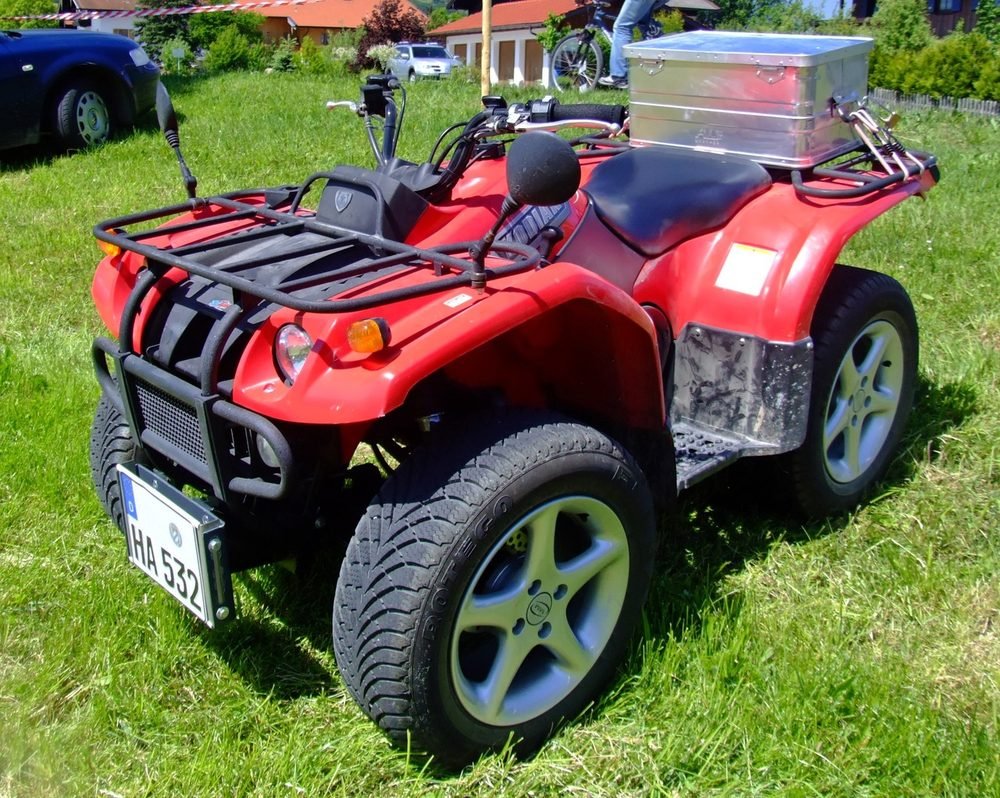
Before you spend a dime, know which Kodiak 700 you own, because the platform changed halfway through its run. The 2008 through 2015 models use the 686cc liquid-cooled single-cylinder engine with a single overhead cam and screw-type valve adjusters, an Ultramatic V-belt transmission, and YFI 44mm fuel injection.
From 2016 on, the 700 EPS moved to the 708cc engine with dual overhead cams and shim-under-bucket valve adjustment, sharing that mill with the Grizzly 708 and the Viking. Many fixes transfer between both, but valve and timing jobs do not.
What is the most common Yamaha Kodiak 700 problem?
Owners report belt and clutch wear before any single other issue. The Kodiak uses Yamaha Ultramatic, a belt-driven continuously variable transmission, and that belt plus the two clutch sheaves carry real load in a heavy machine. On machines used for plowing, hauling, or long trail work, the belt is the first mechanical part to show wear, usually somewhere in the 1,500 to 3,000 mile range.
One owner who bought a used 2018 700 with snorkels and a radiator relocation already done found the previous owner had installed an aftermarket clutch kit. After he pulled the primary and secondary sheaves to run lighter weights, the machine ran fine for about ten minutes, then rattled, stunk, and smoked the belt to a stop.
The thread pointed at the clutch weights not seated in their channels, the belt sitting high in the secondary, or a wet clutch that was not fully releasing. It is a classic sign that a CVT service was done slightly wrong.
How to avoid Kodiak 700 belt and clutch failures
Do not lug the engine at low speed in high range while loading the belt. That glazes a belt fast. Keep the RPM up in a lower gear when you are hauling or climbing, and avoid crawling in mud at full load, because that is what cooks a belt on this platform.
Check the belt every 500 miles or so by pulling the CVT cover and looking for glazing, fraying, or a belt sitting low in the sheave. When you service the clutch, make sure the weights sit in their channels, the outer sheave seats fully on the splines, and the belt rides up out of the sheave before you torque it down.
A spare Kodiak 700 drive belt and a compatible clutch kit are worth having on hand for a hard-working machine.
Why will my Kodiak 700 not start or crank right?
No-start and crank complaints on the 700 usually split into two camps. On the older 686cc injected machines, a no-start that backfires through the throttle body while the plug still sparks is a timing and crank problem.
One owner detailed exactly that, measuring the ignition coil at about 2.3 ohms primary and near 19.9k ohms secondary against an 8.64 to 12.96 kilohm spec, chasing the timing marks, and finally finding a sheared crank woodruff key. That key, a small part that keeps the flywheel timed to the crank, is a known weak point and a big job to replace.
On the EPS and newer models, a no-start is often the gear position sensor instead. A 2017 Kodiak 700 owner described a machine that would click from park to reverse when he hit the starter, then refuse to start in neutral at all, with the display showing the wrong gear while driving.
The thread read straight to the neutral switch assembly, also called the gear position sensor, a common electrical failure on these machines. If it will not crank in neutral, suspect that sensor before you pull the starter or the battery.
Why does my Kodiak 700 overheat and shut down?
Overheating shows up a lot on forums, and it is almost never a bad engine. The most common cause is a cooling fan that is not coming on at full speed, or a radiator caked with mud. The Kodiak 700 has a single high-speed fan that should roar on around 205 degrees Fahrenheit and cycle off near 194. When it spins weakly or not at all, the machine climbs fast under load.
One brand-new 700 owner had the overheat light come on within the first hour of break-in. The fan spun, but barely moved any air. A quick bench jump with 12 volts made it blow hard, which pointed to the relay and wiring rather than the fan motor.
The dealer found the fan relay not seated all the way in its connector, pushed it home, and the machine has not overheated since. Another owner traced his only real overheating event to a radiator packed solid with mud from a single deep-water crossing.
If yours runs hot, start cheap. Confirm the fan roars on when warm, check the radiator fins are clear of mud and debris, bleed the system with the nose high, and make sure the thermostat opens. A weak fan relay, a mud-caked radiator, or an air pocket will make a healthy 700 overheat. Top up with the right Kodiak 700 coolant and keep the cooling system serviced.
Kodiak 700 valve and timing issues
The 2016 and newer 708cc engine gets more valve complaints than the older single-cam unit, simply because setting the valves takes more care. The DOHC layout uses shims under buckets, so adjusting the valves is not a quick screw turn but a shim swap.
Owners report valves tightening up on high-hour machines, which shows up as hard starting, a rough idle, or low compression. If your injected 708 starts hard cold or idles uneven, check the valve clearance before you chase the fuel system.
On the older 686cc engine, one forum regular noted that a certain kind of mid-speed stalling is common enough that it is worth checking the valve lash and adjusting before anything else. The same advice applies to both engines: a valve job on a 700 is doable at home with a factory service manual, but it is fiddly. If you are not comfortable with timing marks and shims, a shop does it cleanly and it is not a huge bill.
What else breaks on a used Kodiak 700?
Beyond the belt, the no-start, and the heat, a few smaller issues crop up. The fuel pump on the injected models can fail, showing up as a crank that gets fuel but no fire, and a dead fuse or relay mimics it perfectly, so listen for the pump to prime when you turn the key on before you replace it.
The battery and its ground strap corrode on machines that live outside, and a weak battery under load causes a surprising share of no-start reports. On a hard-used unit, check the wheel bearings and the front diff boots too, since mud and water find their way in over time.
The Ultramatic drive takes abuse, and a worn wet brake or a spinning impeller on the cooling pump both turn up on high-mileage units. On any older 700, look for oil weeping around the crank cover and water pump gaskets, since those paper gaskets age and leak. None of these are major if you catch them early, but they are the parts a used-machine owner should expect to touch.
Does ethanol gas cause Kodiak 700 problems?
Yes, and it is one of the easiest things to fix. Ethanol fuel absorbs water and phase-separates when a machine sits, especially in humid climates and sharp temperature swings. That water and gummed fuel can clog the injector or make the 700 run rough after storage. Owners who chase a no-start or rough idle back to old gas usually fix it with fresh non-ethanol fuel and a fuel treatment in a single tank.
For long storage, use a quality fuel stabilizer, keep the tank full to limit condensation, and consider non-ethanol fuel if it is available near you. A few minutes of storage prep keeps a 700 from coming out of winter with a clogged injector.
What to check before buying a used Kodiak 700
The Kodiak 700 sold in big numbers from 2008 onward, so used examples are everywhere at fair prices. A well-kept one is a real workhorse, but check the common weak spots before you hand over cash.
Test the belt and clutch by driving at low speed and listening for squeal, slip, or lurching. Let it idle until warm and watch whether it holds a steady RPM. Check the cooling fan actually roars on when hot, and confirm the radiator is clear of mud. Ask about the last valve service, and pull any stored codes. Load-test the battery, and listen for a knock or metallic rattle under load that points at a worn wet clutch or a tired belt.
Factor a fresh belt and a valve check into your offer if the mileage is high. A used 700 with a serviced driveline is a far better buy than a cheap one with a screaming clutch. For more on the bigger utility platform the 700 shares its engine with, see our Yamaha Grizzly 700 problems guide, and compare the smaller Kodiaks in our Kodiak 450 and Kodiak 400 posts.
Yamaha Kodiak 700 Drive Belt
Most owners reach for a fresh Ultramatic belt and a clutch kit first when the driveline starts slipping. See today’s price on Amazon.
Bottom line
The Yamaha Kodiak 700 is a tough, honest utility ATV, and most of its common problems are predictable and cheap to head off. Watch the Ultramatic belt and clutches, keep the cooling system clean and bled, run good fuel with a fresh plug, and check the valves on schedule. Do that and a Kodiak 700 will work hard for years.
The 686cc single that Yamaha uses across the Kodiak 700 and Grizzly 700 responds to the same care, so the fix guidance in our Grizzly 660 post transfers directly. And for a newer Yamaha four-seat utility platform, see our Wolverine RMAX 1000 guide.

