As an Amazon Associate I earn from qualifying purchases. This article contains affiliate links that may earn a commission at no extra cost to you.
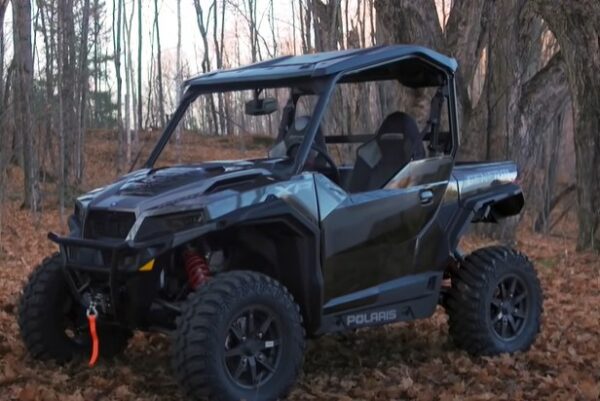
The Polaris Ranger 570 is the workhorse thousands of farms, crews, and trail riders depend on, and it is one of the most dependable utility side-by-sides Polaris has ever sold. That does not mean it is immune to trouble.
__INBODY_MARKER__
The most common Ranger 570 problems are PVT belt and clutch wear, overheating, rough idle and stalling, spark plug fouling, and electrical gremlins tied to bad connections and a weak battery. Almost all of them are fixable at home with a modest set of tools and a clear diagnosis.
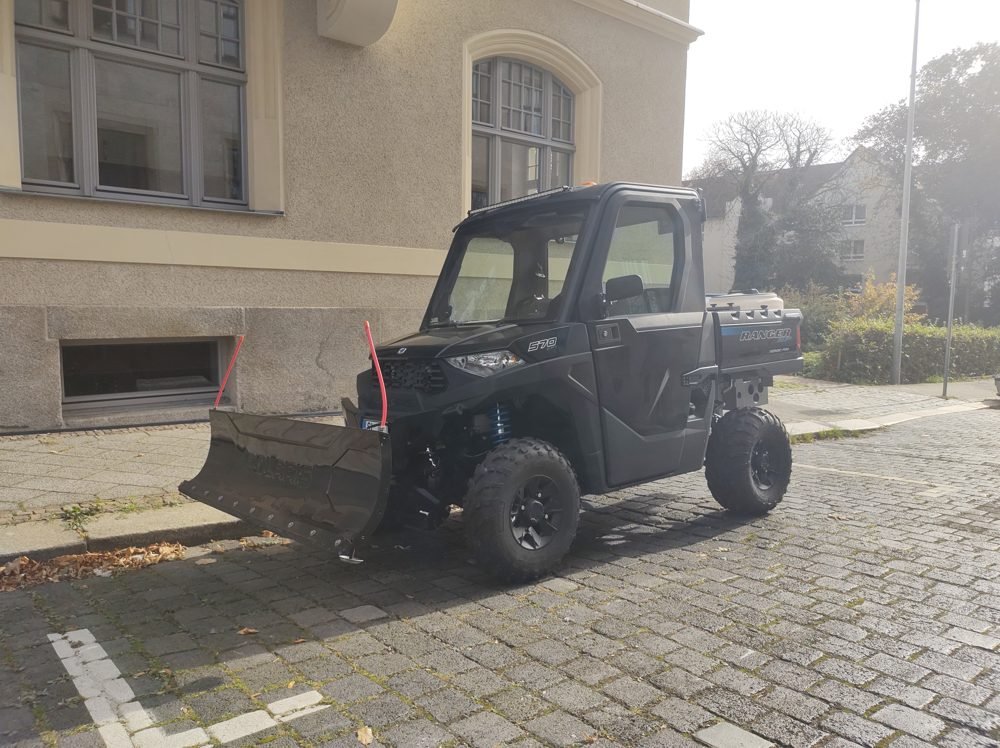
Here is what owners actually report in forum threads, what each fix costs, and what to check before you buy a used one.
What is the most common Polaris Ranger 570 problem?
Owners report belt and clutch wear more than any single issue. The Ranger 570 uses Polaris Variable Transmission, a belt-driven continuously variable transmission. That belt and the two clutch sheaves do a lot of work in a heavy machine, and they are the first things to show wear on high-mileage units.
One owner on the Ranger forum described a belt that started slipping around 2,000 miles, then discovered the secondary clutch bolt had backed out after he retightened it wrong during a belt swap. Another reported lurching and stalling at a complete stop in forward and reverse. The forum read pointed straight at the clutch not fully releasing the belt, which points to the one-way bearing, worn sheaves, or a tired belt.
A 2017 full-size 570 with about 7,000 miles started squealing and running jumpy. Parts lookup said the primary clutch bearing was shot, and the advice was to replace both clutches. At that kind of mileage a worn primary clutch is normal, not a defect, but it is the most expensive routine repair you will meet on this platform.
How to avoid belt and clutch failures on a Ranger 570
Do not baby the throttle in high gear at low speed. That loads the belt and glazes it. Instead, keep the RPM up in a lower range when you are hauling or climbing. Avoid extended mud and heavy pulls at crawl speed, because that is what cooks a belt.
Check belt wear every 500 miles or so by removing the clutch cover and looking for glazing, fraying, or a belt that sits low in the sheave. Many owners swap the belt preemptively around the 2,000 to 3,000 mile mark for cheap insurance, and research parts and prices on Amazon when the time comes.
When you do service the clutch, torque the secondary clutch bolt to spec and use thread lock. A loose bolt here is exactly what took one owner’s machine down mid-break-in. Grab the proper Ranger 570 drive belt and a compatible clutch kit so the replacement is ready when yours is.
Why does my Ranger 570 overheat and shut off?
Overheating is the second most common complaint, and it usually walks a predictable path. A bad temperature sensor can fail silently, so the over-temp light never comes on while the engine climbs. One owner on the Polaris forum found the engine would quit under load, and the wiring turned out to be the start of the problem.
A 2017 Ranger 570 that overheated and kept dying turned out to have a blown head gasket. After a full teardown, a fresh head gasket, thermostat, and sensor, the machine still overheated. The thread eventually pointed at the water pump impeller spinning on its shaft, which is a common miss on these liquid-cooled singles.
Another 2016 570 midsize would rise to 240 degrees even with the fan kicking on at 205. The top radiator hose got hot but the bottom stayed cold, which means the coolant was not circulating. Air trapped in the system was the culprit, and the fix was a proper bleed with the front end raised and the purge screw open.
If yours runs hot, start with the cheap checks. Confirm the fan actually runs near 205 degrees, verify the thermostat opens, bleed the cooling system with the nose high, and replace the radiator cap if it holds no pressure. A weak cap or an air pocket will make a healthy engine overheat. Keep a quality Ranger 570 coolant on hand and top up with the right mix.
Ranger 570 idles rough, sputters, and dies. What causes it?
Rough idle and stalling show up a lot, especially on machines that sit or run a lot of ethanol-blended gas. The 570 is a single-cylinder EFI engine, so it has no carbs to rebuild, but the injector, fuel pump, and spark plug do the work that carburetors used to do. When they get gummed, the idle suffers.
A 2015 570 owner described rough running, sputtering, backfiring at low speed, and dying at idle while running fine at higher RPM. The fix, confirmed across a long thread, was Sea Foam through the fuel system, clean or new fuel, and a fresh spark plug, ideally an iridium one. Ethanol fuel that has phase separated and collected water is a frequent root cause.
Another owner had a 2015 machine sit for a year after a layup. It started but would not idle once warm. New gas, a healthy dose of Sea Foam, and a new iridium plug made it run like new again. The forum wisdom is consistent: try fuel treatment and a plug before you pull the injector or the throttle body.
If the problem persists, check the MAP sensor, valve clearance, and for dirty throttle body crud from engine dust. One owner’s idle trouble vanished when he unplugged the MAP sensor, and another traced his to exhaust valve clearance that had tightened below the 0.008 to 0.012 inch spec.
Why does a new Ranger 570 foul spark plugs so fast?
New 570 owners are often surprised to find a carbon-fouled, wet plug before the first oil change. The engines run a richer mixture during break-in, and the problem is made worse by short trips and cold starts without a proper warm-up.
One 2015 midsize owner fouled a plug at about 14 hours. The dealer said the rich break-in tune plus not letting the motor warm up for a couple of minutes plus short trips is the classic cause. The fix was simply using the machine normally once warm. He kept a spare plug and two in the glove box for a while.
The advice across threads is consistent: let the 570 warm up a couple of minutes after a cold start, ride it with some load rather than puttering, and keep a spare plug onboard. If fouling keeps returning after break-in and normal use, suspect a sensor giving the ECM bad information or an injector that is running rich.
Ranger 570 electrical problems: no start, weak crank, random codes
Electrical and no-start issues on the 570 usually come down to two things: a weak battery and poor connections. The Polaris service manual itself states that around 80 percent of electrical problems on this platform trace to bad connections.
A rider who parked a 2017 570 for months came back to a battery that would not hold 12 volts an hour after a full charge. Replacing the battery, plus a tired fuel pump, got it going again. Intermittent, weak signals from sensors do not feed the ECU properly, which makes the engine run poorly or refuse to start.
One no-start case had a battery that read fine right after charging but sagged to below 12 volts an hour later, plus a fuel pump that would not run with the key on. New battery and pump cured it. The takeaway is to test voltage under load, because a surface charge hides a dead cell.
If yours cranks slow or throws codes, start at the battery terminals and grounds before you replace a single expensive part. Clean and tighten every connector you can reach, and check the battery with a load test, not just a voltage read. A corroded ground often mimics a fuel or ignition fault and sends owners down the wrong path.
The MVPs on the 570 are the small connections at the fuel pump, the temp sensor, and the harness grounds. Spraying dielectric grease on fresh terminals and re-seating each plug is a cheap hour of work that prevents most of these intermittent electrical headaches.
Does ethanol gas really cause Ranger 570 problems?
Yes, and it is one of the most fixable causes of rough running on the 570. Ethanol-blended fuel can absorb water and phase separate when a machine sits, especially in humidity and temperature swings. That water, plus gummed soft parts, plugs injectors and clogs the fuel system.
Owners who trace a rough-idle or no-start back to old gas usually solve it with fresh non-ethanol fuel, a fuel treatment like Sea Foam or the additive Red Line, and a new spark plug. The forum threads are full of machines that sat over a season and came back to life with that exact routine.
For long storage, the advice is consistent: use a quality fuel stabilizer, keep the tank full to limit moisture, and consider non-ethanol fuel if it is available near you. A few minutes of storage prep prevents a weekend of chasing a gummed injector later.
What to check before buying a used Ranger 570
The Ranger 570 was introduced in 2014 and stayed largely the same through the 2010s, which means used examples are easy to find at fair prices. A good one is a screaming value, but the common failure areas are worth a focused inspection before you hand over cash.
Test the belt and clutch feel by driving at low speed and listening for squeal, slip, or lurching. Let it idle until warm and watch whether it holds a steady RPM or stumbles. Check the cooling system for a recent flush, and confirm the fan cycles on when hot. Pull any stored trouble codes, and load-test the battery.
Factor the price of a belt and a set of clutches into your offer if the mileage is high. A used 570 with a fresh driveline is a far better buy than a cheap one with a screaming clutch. For more context on which Polaris Ranger years carry the most repeat weak spots, see our Polaris Ranger years to avoid guide, and compare the shared 570 platform in our Polaris RZR 570 common problems post.
Polaris Ranger 570 Drive Belt
Most owners reach for a fresh PVT belt and a clutch kit first when the driveline starts slipping. See today’s price on Amazon.
Bottom line
The Polaris Ranger 570 is a tough, simple machine, and most of its common problems are predictable and cheap to head off. Watch the PVT belt and clutches, keep the cooling system bled and clean, run good fuel with a fresh plug, and keep the battery and connections healthy. Do that and a 570 will work hard for years.
If your 570 shares the same Polaris PVT drivetrain as other big singles, the fix guidance in our Polaris Sportsman 550 problems and Polaris Magnum 425 problems posts transfers directly. And for the larger utility platform, see Polaris General common problems.