As an Amazon Associate I earn from qualifying purchases. This article contains affiliate links that may earn a commission at no extra cost to you.
The Yamaha Kodiak 450 is one of the most dependable small utility ATVs on the market, and for most owners it just works for years. But it is not bulletproof. The most common Kodiak 450 problems owners run into are battery and charging issues, intermittent spark loss, a finicky idle, and CVT belt wear on hard-working machines.
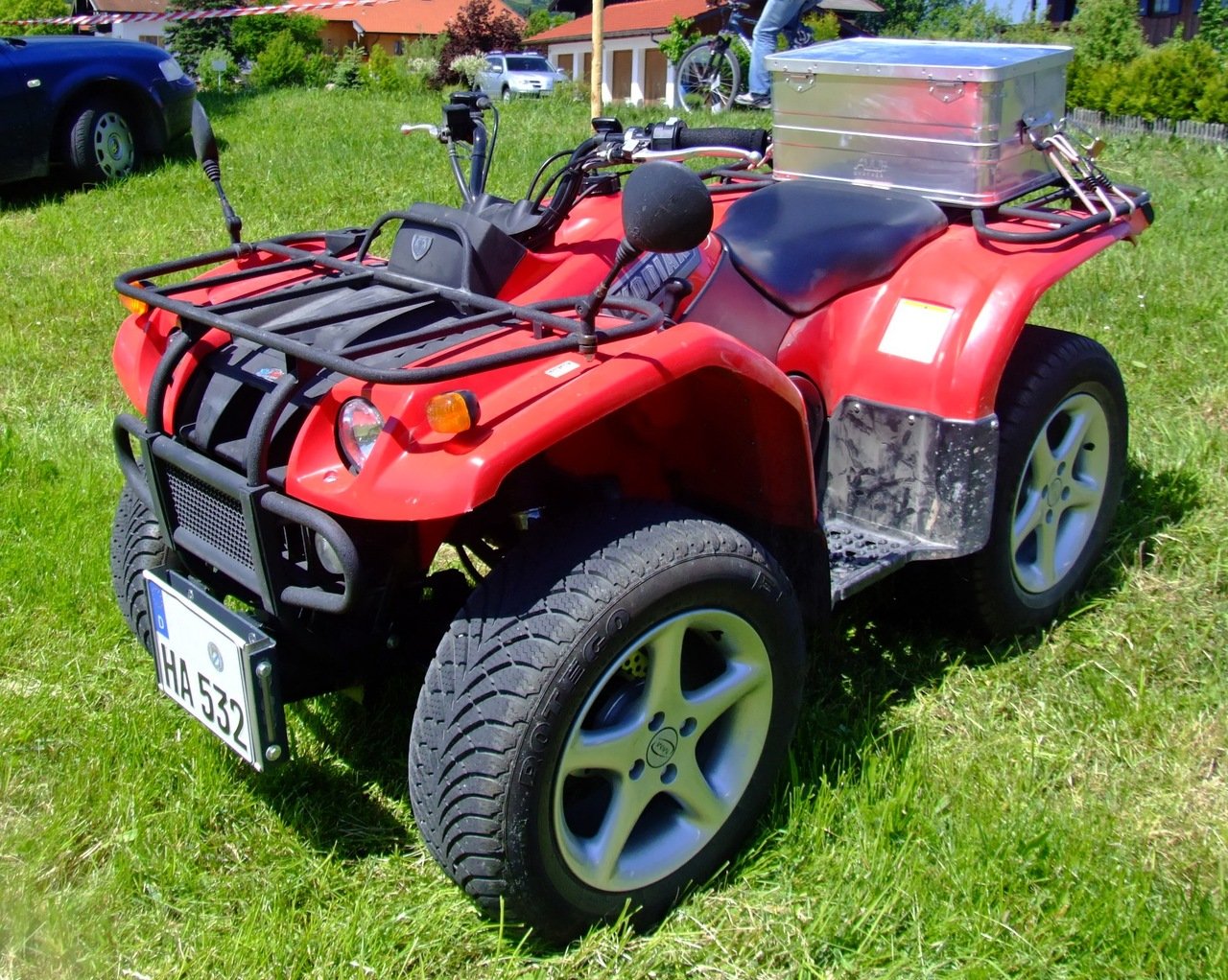
This guide walks through each recurring issue, what actually causes it, and the cheapest fix that works, based on what real owners report on the forums.
Battery Drains and Weak Charging
The single most discussed Kodiak 450 problem is the charging system delivering less than it should. Owner threads about “Kodiak charging issues” fill up fast with one common symptom: the machine runs fine while idling, then clicks with a dead battery when you try to restart it after a ride.
One owner on the Grizzly Central forum laid out the full diagnostic path. He tested the stator across all three white wires at about 0.8 to 0.9 ohms, checked the source coil at 301 ohms, and found the pickup coil reading 511 ohms when the manual spec is 171 to 209 ohms. That out-of-spec pickup coil was the killer. It would not charge the battery properly and slowly drained it over each ride.
This is a fiddly fault to chase, and the thread shows just how easy it is to spend money in the wrong place. That same owner bought two voltage regulators and wasted over two hundred dollars before he finally measured the pickup coil and found the real problem.
Yamaha Canada confirmed, against his VIN, that the pickup coil spec for his machine was 171 to 209 ohms, and that different stator assemblies shipped for the same model year here in North America versus Canadian units.
The takeaway: if your Kodiak 450 won’t hold a charge, do not just throw money at a new battery or regulator. Test the three charging components first. A multimeter costs almost nothing and the tests take ten minutes. The pickup coil and source coil hang in the stator side engine cover, on the pull-cord side, and their wires run through a tight rubber grommet into the harness.
Load Test Your Battery Before Replacing Anything
A battery that reads fine at rest can still be dead under load. One forum regular described learning this the hard way. His battery sat at 13.1 volts and seemed to take a charge, but when he load tested it, it failed and had to be replaced. That one swap solved his whole “not charging” mystery.
So test the battery under load before you start suspecting the stator. Most multimeters have a battery load test setting, and an auto parts store will do it free. Charging problems are often just a tired battery, not a failed charging system. The 450 is no harder on a battery than anything else, but a machine that sits for weeks between rides drains slowly, and the battery quietly loses its capacity to hold a real charge.
Intermittent Spark Loss and Sudden Stalls
Owners of older 450 Kodiaks, especially the carbureted 2004 and 2006 models, report intermittent spark loss. The machine runs fine for a while, then cuts out or stalls and refuses to restart until it cools or sits for a bit. On the Rhino forum, an owner chasing “06 450 intermittent spark loss” traced it to a worn ignition component, usually the stator pickup or a failing CDI unit on higher-mileage machines.
Because these small single-cylinder engines share a lot of electrics with the Grizzly and Big Bear of the same era, parts swap easily for diagnostics. If no spark shows up on a fresh plug and the kill switch and wiring check out clean, the fault usually lands on the stator pickup coil or the CDI box. Both are common wear items on twenty-year-old bikes, and both are cheap to replace compared to chasing intermittent gremlins with your wallet.
Hard Starting in Cold Weather
Kodiak owners who use their machines for plowing and winter work notice the 450 gets grumpy when the mercury drops. It fights you on the starter on cold mornings, especially before the engine warms up. This is partly a battery thing and partly a cold-oil thing on the larger displacement utility engine.
A good battery maintainer over the winter and fresh oil in the fall help more than people expect. If it still cranks slow, check the starter solenoid and the ground strap to the engine block, both known to corrode on machines that live outside. One owner told me his 450 was slow to crank all winter, and a corroded ground strap was the whole story. Ten minutes with a wire brush and it turned over like new in subzero temps.
CVT Belt Wear Under Load
The 450 uses a continuously variable transmission with a belt, and belts wear out. On machines used for real work, hauling, or heavy snow plowing, owners see their first belt replacement around two thousand miles, sometimes sooner if they spend all day in low range on deep trails.
Symptoms of a tired belt are a sudden loss of top speed, a rubbery smell, and a machine that revs but does not go. The fix is straightforward: pull the CVT cover, replace the belt, and check the sheaves for glazing while you are in there. A spare belt is worth carrying on long trips, and a quality aftermarket belt often lasts longer than the stock one.
Plow owners in particular report that an upgraded belt takes the strain of constant low-range work far better than the factory belt.
Idle That Drops or Hangs
A nagging idle is common on both the carbureted and injected Kodiak 450, and it usually shows up as the engine stalling when you clutch in at a stop, or idling high when hot. On the carbureted 2004 and 2006 models, the usual culprits are a dirty pilot jet or a vacuum leak from aged carb boots.
On fuel-injected models, owners trace most idle complaints to a dirty throttle body or a tired IAC valve. A can of fuel system cleaner through a tank of gas fixes many of these without opening anything. If the idle still hunts, check the intake boot clamps for cracks. A split intake boot lets unmetered air in and makes the idle wander in a way no adjustment will ever cure, so inspect the rubber before you touch the screws.
Reverse and Shifting Gripes
Being a utility machine, the Kodiak gets used in tight spots, and the reverse system sees a lot of abuse. Owners occasionally report the machine popping out of low gear or a clunky engagement into reverse. Most of the time this is a cable adjustment issue rather than an internal failure. The shift linkage and cables stretch over time, and a simple cable tighten cures a surprising number of complaints.
If it pops out of gear under load more than once, check the linkage bushings before you assume the transmission is hurt. Worn shift linkage lets the lever move out of position and the detent drops the gear. It is a cheap fix that keeps a lot of ten-year-old Kodiaks out of the shop.
Fuel Economy and the Electric Fuel Pump
Owners love how economical the injected 450 is, but a page of complaints centers on the electric fuel pump on the fuel-injected models. The symptom is a machine that cranks strong but will not fire, or that dies suddenly and refuses to restart. A failing fuel pump is the usual suspect, and on some units the in-tank pump is not cheap.
Before you replace the pump, listen for it to prime when you turn the key on. If you hear nothing, check the pump relay and the fuse first. A dead fuse is a common and nearly free fix that closely mimics a failed pump. If the pump runs but the pressure is low, the pump itself or the pressure regulator has likely given up.
Rust on Fasteners and Exposed Steel
Kodiaks that live outside or get ridden near salt develop rust on exposed fasteners, the rack hardware, and the frame around the footwells. It is cosmetic more than structural, but owners in the rust belt find it annoying. A yearly coat of corrosion inhibitor on the frame and stainless hardware on the racks keeps a ten-year-old Kodiak looking clean.
atv cvt belt
Owners of this machine rave about it. See today’s price on Amazon.
What to Check Before Buying a Used Kodiak 450
If you are shopping used, the Kodiak 450 is a great buy, but check a few things first. Ask for the maintenance records on the valve adjustments and oil changes, since a skipped valve service is the fastest way to kill one of these engines. Fire it up cold and listen for a knock at startup, then let it idle and warm up to see if the charging system holds voltage while running.
Test the 4WD by engaging and disengaging it a few times, and listen for grinding in the hubs. Look for rust on the frame near the footwells, and check that the CVT breather is intact if it was ever ridden in water. Run it for a couple of miles in low range to make sure the belt does not slip under load.
As a point of comparison, the Polaris Sportsman 550 is the natural American rival, and checking the same points there will save you the same kind of money. A clean, well-maintained Kodiak 450 will easily outlast a much newer machine that was neglected.
Maintenance That Prevents Most of These
Most Kodiak 450 problems trace back to skipped maintenance rather than bad design. Change the oil and filter on the stock interval, keep the air filter clean, and adjust the valves on schedule. Check the CVT belt at service time instead of waiting for it to fail on the trail. Keep the battery on a battery maintainer in the off season and treat the exposed steel there, and this machine gives very few headaches.
For winter riders, synthetic oil and a strong battery make cold starts much easier. And for anyone burning through belts fast, an upgraded aftermarket CVT belt is a smart first upgrade on a hard-working 450. Keeping the CVT cover clean and the intake baffles clear also answers to a lot of small running complaints.
Bottom line
The Yamaha Kodiak 450 is a reliable utility ATV, and most of the problems owners hit are common-sense wear items: a tired battery, an out-of-spec pickup coil in the charging system, a worn CVT belt, and a slightly neglected carb or throttle body. None of them are expensive or hard to fix at home if you test before you replace.
If you want a lightweight workhorse that will run for years with honest maintenance, the Kodiak 450 is one of the safest buys in the class. Compare it against the Kodiak 400 if you want an even lighter option, and the bigger Grizzly 700 if you need more muscle.

