As an Amazon Associate I earn from qualifying purchases. This article contains affiliate links that may earn a commission at no extra cost to you.
The Yamaha Rhino 660 is the two-seat side-by-side that put Yamaha on the utility-vehicle map. It runs a 660cc liquid-cooled, single-cylinder SOHC engine with Yamaha’s Ultramatic V-belt automatic transmission, offered in 2WD or 4WD from 2004 through 2013, all built at the factory in Newnan, Georgia. Used examples still hold their value because the drivetrain is tough and aftermarket parts are everywhere.
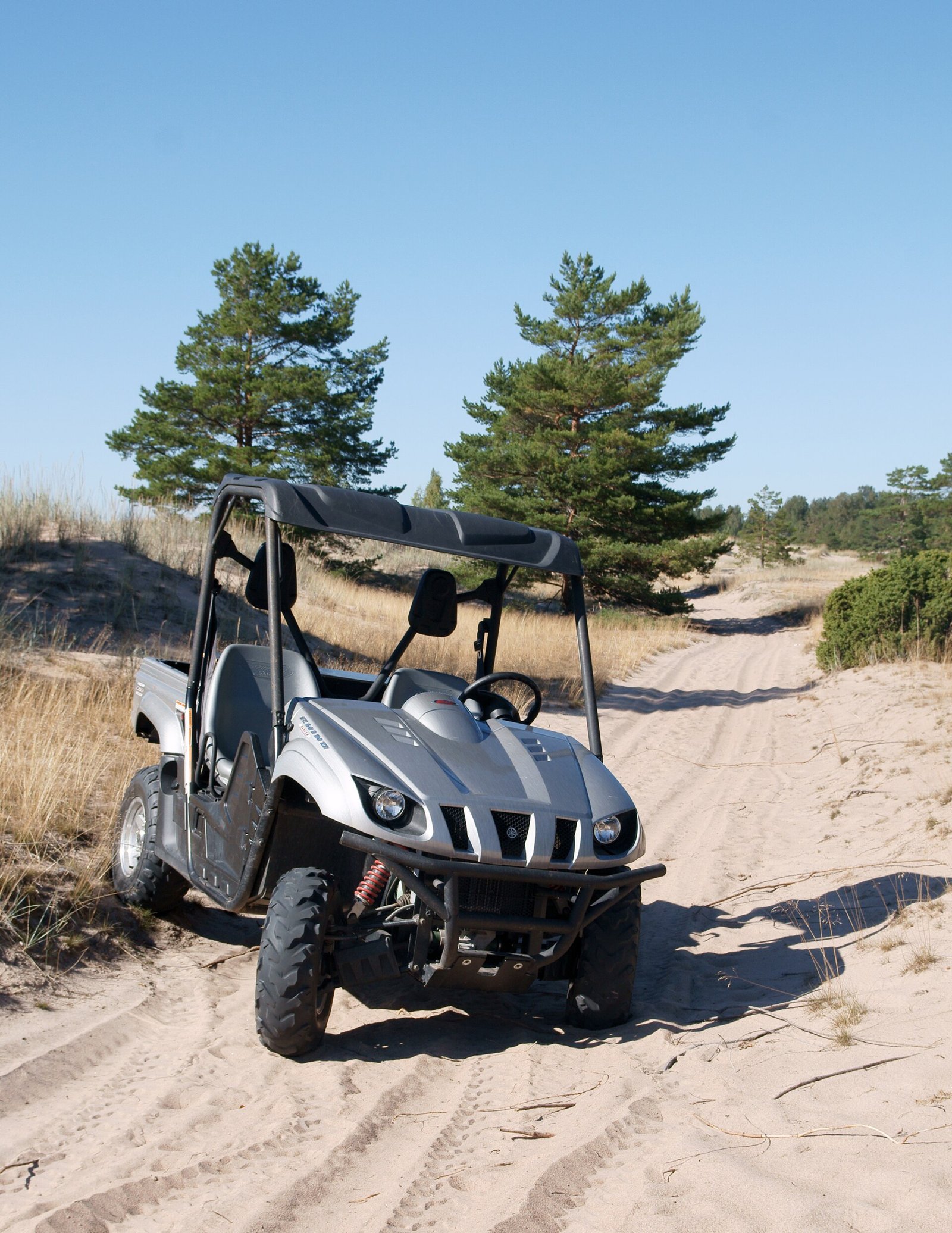
But owners who hang around the Rhino forums will tell you the same handful of complaints show up over and over: CVT belt slip and sheave wear, a wet clutch that gets wrecked by the wrong engine oil, hot-start gripes that the Ultramatic is known for, and a front diff that calls itself 4WD but only drives one wheel until you engage the lock.
There is also the 2009 CPSC rollover repair program that every Rhino buyer needs to understand, because it left its mark on every used 660 on the market. This article runs through what owners actually report, the root cause behind each problem, the real fix, and it ends with a buying checklist and the maintenance that keeps these machines alive.
CVT belt slip and worn primary sheaves
The Ultramatic’s V-belt CVT is the heart of the 660, and belt slip is the most complained-about symptom. On a 2004 660 owner thread, one rider described a machine that only pulled 7 to 10 mph at high engine rev, which is the classic signature of the belt not gripping. As the belt glides inside the primary clutch, it rides against sheaves that wear into a slight concave shape over time.
Once those faces are no longer flat and parallel, the belt cannot get the bite it needs and slips under load, so the engine revs climb while forward speed stays flat.
The fix starts with checking the belt for glazing and measuring the sheave faces. If the primary sheaves are visibly dished from years of wear, the unit needs replacing, not just a fresh belt. Regular belts wear out fastest on machines used for heavy plowing or towing, because lugging loads at low speed generates the most heat inside the CVT. Cleaning the clutch faces and confirming belt tension are cheap first steps before you buy any parts.
When you do replace the CVT parts, this is a good place to look at the belt and sheave options available for the Rhino 660. A CVT belt search is a solid starting point to see what aftermarket and OEM-style belts are currently priced at before you order.
Wet clutch damage from the wrong engine oil
Here is where owners get hurt. The Rhino 660 clutch is a wet clutch, which means it shares the engine’s oil supply. It relies on that oil’s friction characteristics to grab. Owners who dump in a generic automotive oil, one owner recalled using Supertech 10w-30, damage the clutch because that oil is not formulated for a wet clutch and lets the plates slip and glaze. Over time the friction material burns off and the clutch stops biting cleanly.
The wear limit on the wet clutch friction plates is 0.040 inch. If the plates measure under that, they get replaced. Choose an oil made for a wet clutch, ideally a JASO MA rated oil designed for motorcycles and ATVs, and skip anything labeled for modern car engines that run dry clutches.
Several Rhino owners on the clutch forum dig into this exact mistake and why the wrong oil is so damaging. A synthetic ATV oil search will surface the JASO MA rated fluids you actually want in this engine.
One-way bearing and wet clutch nut: small parts, big failures
Inside the clutch assembly there is a one-way bearing that lets the starter turn the engine in one direction only. Owners who have been in there note that the bearing is stamped ‘Outside’ and that stamped face has to face away from the engine when you reassemble it. Get that backwards and the machine will not start properly or makes noise on every spin-up.
The wet clutch nut is another part that owners replace without exception. It should be torqued to spec and then have its locking tab bent over every single time, because the clutch sees heavy shock load and a loose nut will back off and wreck the assembly. Skipping the new nut to save a few dollars is a false economy on this engine.
One more warning from the forums: cheap aftermarket Chinese clutches are a trap. Multiple owners report these units shedding chunks of material into the oil passages, which then block oil flow and take out bearings. Stick with an OEM or a known quality aftermarket clutch if you value the engine.
Hard 4WD lock loading the CVT
Engaging the 4WD lock on the 660 loads the drivetrain far harder than casual riders expect. Owners describe hammering the machine in locked 4WD on hard surfaces and immediately feeling the CVT strain and the belt start to slip. That is not the belt failing on its own; that is the locked drivetrain placing constant drag on the CVT as the tires fight for grip.
Use the diff lock only for slow, low-grip work like mud, snow, or deep sand, and back it off as soon as you reach solid ground.
Hot-start trouble with the Ultramatic
Hot-start difficulties are a frustration the Rhino is well known for. The machine is fine after a cold start but refuses to fire cleanly once the engine is warm. On the forums, threads asking about hot-start hesitancy and crank-but-no-start after a ride run for years with dozens of replies, which tells you how many owners have chased it.
The Ultramatic itself is not the culprit; the trouble usually sits with the starter clutch, valve lash, or a weak spark under heat, so owners end up troubleshooting in that order. A thorough check of the one-way starter bearing and the wet clutch (discussed above) often resolves the cases tied to the drivetrain, while spark and compression testing catches the rest.
Front diff: ‘4WD’ is really 3WD until you lock it
This trips up nearly every new owner. The Rhino 660 in ‘4WD’ is really 3WD most of the time: only one front wheel turns until you engage the Differential Lock, which is the true locked 4WD. A 2006 owner thread on RhinoForums.net titled ‘Front diff broken’ described the lock snapping and releasing on hard turns, and the discussion that followed is clear about what is happening.
The front diff is not synchromesh, so you have to drive slowly, letting the teeth line up before the lock engages. If you force it or make a hard turn while locked, the mechanism overstresses.
One owner warned that a locked front end on the 660 violently yanks the steering wheel when the front tires grip differently, and the rear driveshaft is held open by a solid differential that is always locked, side to side. The likely failure behind a diff that lets go on turns is a stripped splined collar or rounded dogs on the lock mechanism inside the front differential.
Fixing it means pulling the front diff and replacing the collar, dogs, and any damaged gears. The key habit is simple: slow down, straighten the wheels, and engage the lock before you need it, never while the drivetrain is under hard load.
The 2009 CPSC rollover repair program
You cannot talk Rhino 660 without the rollover history. On March 31, 2009, the Consumer Product Safety Commission and Yamaha announced a repair program for the Rhino 660 and 450 (later extended to the 700) after a series of rollover incidents. The fix was a two-inch spacer added to each rear wheel and removal of the rear anti-sway bar to lower the rollover risk.
Yamaha temporarily suspended sales, and the CPSC advised owners not to operate the machines until the dealer carried out the modifications. Machines built after that point left the factory with the changes already in place. Every used Rhino 660 on the market today should already have the program performed, and a buyer should confirm the rear wheel spacers and missing anti-sway bar are there before handing over money.
The Yamaha Rhino page on Wikipedia lays out the timeline and the exact scope of the program.
utv cvt belt
The exact part owners reach for to fix this. Check the current price.
What to check before buying a used Rhino 660
A used 660 can be a great value, but the seller should be willing to show you a few things. Confirm the rollover repair was done: look for the two-inch rear spacers and a removed rear anti-sway bar, and ask for any paperwork. Ride it warm, because the hot-start and CVT issues behave differently cold. Ask what oil has been in it, because the wet clutch damage from automotive oil is a slow killer.
If the clutch has ever been opened, ask whether a new wet clutch nut with a fresh locking tab went in, because the one-way bearing must face the right way and the nut must be torqued and tabbed. Take it on a slow test loop and try the diff lock at a crawl to make sure the front drive does not let go or bind on you.
A 660 that has been run on the correct JASO MA wet-clutch oil and used sensibly in 4WD is a much safer bet than a cheap one that was hammered.
For comparison shopping, the Yamaha Rhino 450 and Yamaha Rhino 700 have their own quirks, and the Yamaha Viking that replaced the Rhino line is worth a look for the same class of machine.
Maintenance that keeps the drivetrain alive
Most Rhino 660 failures trace back to skipped maintenance. Use a JASO MA rated oil suited to a wet clutch and change it on a sensible interval, because contamination is what kills the clutch plates and the bearings. Inspect the CVT belt and clean the sheave faces when you are in there, and catch early belt wear before it glazes the clutch surfaces.
Check venting and clean the air filter so the CVT does not suck in dust, which grinds the belt and sheaves down fast. Before every ride, confirm brake operation and tire pressure, and keep an eye on the drivetrain for play that points to a failing CV joint or carrier bearing. A few cheap checks now will keep the wet clutch at a healthy thickness and stop a small belt issue from becoming a transmission teardown.
Having the right fluids and parts on hand is half the battle. A CVT belt search and a synthetic ATV oil search will show current prices and brands so you can stock up before the machine needs them.
Owners digging into the shared engine-oil design of these wet clutch Yamahas should also read the Yamaha Grizzly 700 thread, since that machine runs a similar wet clutch arrangement. If your used-buying search is wider, the Can-Am Outlander 570 covers a competing route in the same two-up class.
Bottom line
The Yamaha Rhino 660 is a dependable workhorse, but it rewards an owner who understands its quirks. Keep JASO MA wet-clutch oil in it, stay on top of CVT belt and sheave wear, and treat the diff lock and rear spacers with respect, and the machine will give back years of service. The wrong oil is by far the most expensive mistake you can make, followed by forcing the front lock under load.
For anyone shopping used, confirm the rollover repair, the oil history, and the clutch job before you commit. Handle those basics and the solid 660 drivetrain underneath makes it one of the better used side-by-sides you can buy.