
As an Amazon Associate I earn from qualifying purchases. This article contains affiliate links that may earn a commission at no extra cost to you.
The CFMoto CForce 400 is a 398cc single-cylinder ATV that undercuts almost everything else in the 400 class on price. CFMoto rates it at 31 horsepower and 24 ft-lb of torque out of a liquid-cooled, fuel-injected motor, honest power for the money on the official 2020 CForce 400 spec sheet. Parts are cheap and a lot of owners have put serious hours on them without drama.
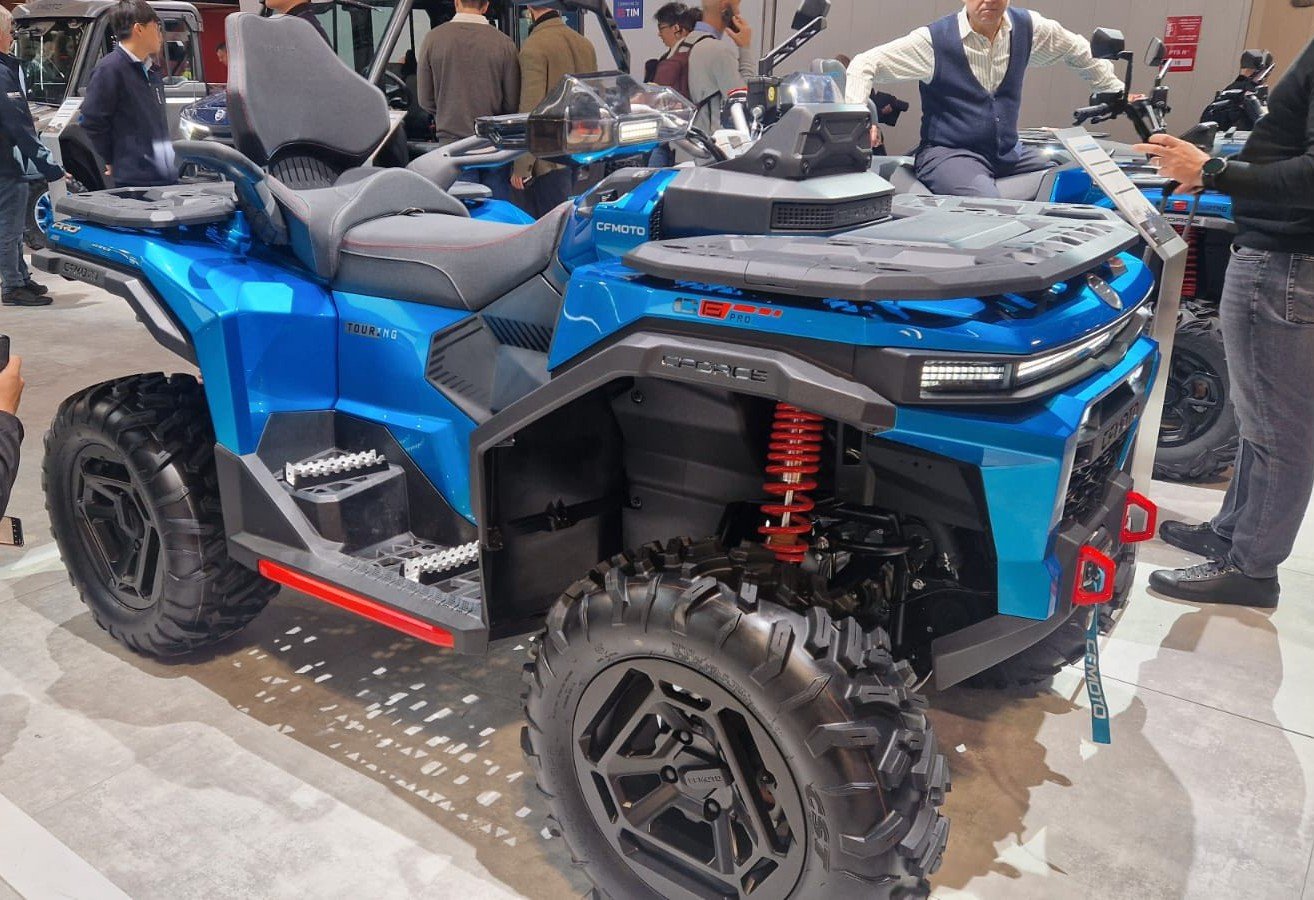
That said, the 400 does have a handful of recurring weak spots. The most common complaints I see from owners cluster around the electrical system, the CVT drivetrain, and brake calipers. The good news is that almost all of them are fixable at home with basic tools and an afternoon. Here is what to watch for, what causes it, and how to sort it out.
Battery Drain and Dead-Start Gremlins
Electrical problems sit near the top of owner complaints on the CForce 400. A common story: the machine runs fine for a season or two, then the battery starts going flat after a week of sitting, or the dash comes on and then dies when you hit the starter.
One 2020 400 4×4 owner on r/cfmoto described exactly this after the original battery gave out roughly 400 miles in. After fitting a fresh battery the ignition screen lit up blank with no stats and nothing got power, even though every fuse checked out. The thread points to two things to check first: the battery terminals wired in the correct polarity and a battery that sat on a shelf so long it was already weak when it went in.
Root cause is usually a slow parasitic draw combined with a battery that the 400 does not keep fully charged if you only run it a few times a month. The fix is straightforward. Pull the negative cable and put a multimeter in series to measure the draw, then hunt down whatever is draining it, often the winch wiring or a backlit gauge. Keep a smart charger on it during storage so the battery stays topped off.
A battery maintainer sized for an ATV pays for itself inside a single winter. If the battery is more than three years old, replace it before it strands you out on the trail.
One habit helps more than any tool: put the 400 away with the battery charged and the light switch off. A small drain left overnight, week after week, is what kills many of these batteries, and a brand new battery will not fix a machine that keeps draining overnight. Isolate the cause and the problem goes away for good.
Beyond the static draw, keep the frame ground and the main harness connector clean. CFMoto grounds corrode when they sit in humid mud, and corrosion there shows up as the same flickering dash and weak start that owners blame on the battery.
CVT Belt and Clutch Slip
The CForce 400 runs a CVTech continuously variable transmission, the same belt-and-clutch design CFMoto uses across the CForce range. It shifts itself through park, reverse, neutral, high, and low with no clutch lever, which most owners love for trail riding.
The tradeoff is belt wear. Mud, water crossings, and slow, heavy throttle climbs all run the belt hot, and a glazed belt will slip, surge, or refuse to hold a ratio. Owners notice it as a flat spot on takeoff or a whine under load that was not there before.
Fix it by cleaning the belt and clutches and inspecting the belt for glazing and cracks. This is a normal maintenance item, not a breakdown waiting to happen. A fresh CVT belt and a quick clutch-face inspection are cheap insurance before a long season.
Deep water is the real belt killer. Once a belt slips off and gets wet it can delaminate, and owners who regularly run flooded trails end up changing them more often than the book suggests. After a deep water crossing, open the cover, let it dry out, and check the belt before the next ride.
Listen for a squeal on launch. A little belt noise is normal, but a persistent squeal as you pull away points to a glazed belt or a sticking clutch arm that needs cleaning. Both are fixed cheap and fast, and neither means the transmission is failing.
Brake Caliper and Rotor Failures
Brakes are a genuine sore spot on early CForce models, and the four-wheel hydraulic disc setup on the 400 is part of the platform. Several CFMoto owners have reported calipers leaking or dragging on low-hour machines, and a few have had a rear caliper fail outright during the break-in period.
An owner on the CFMoto subreddit documented losing the rear brakes with less than five hours on the machine, right after a 30-mile break-in run, which makes the point about checking new bikes early rather than assuming dealer prep got it right.
What to do: check brake fluid level and condition, look for caliper leaks around the pistons and the bleeder screws, and confirm the rotors are not warped. A dragging caliper usually means a sticking slider pin that needs grease, not a new caliper. If a caliper is really leaking it has to be rebuilt or replaced, and that is not a job to postpone.
Starter and Dash Quirks
Some 400 owners hit a no-crank situation where nothing happens when they press the start button, even with a charged battery. It usually is not the starter motor itself. The classic cause is a corroded connection at the solenoid or a worn brake interlock switch that the bike thinks is still pressed.
CForce models are also known for dash gremlins, where a gauge flickers or the display resets itself. That threads back to the same electrical theme: battery condition and loose connector pins behind the gauge. Seat the harness connectors, clean them with contact cleaner, and most of the weirdness disappears.
Engine Heat and Sustained Load
The 400 is reliable at trail pace, but owners say it does not like being held wide open for long stretches. A long-running CFMoto discussion on r/ATV makes the point that you can cook problems into one of these engines if you push it at sustained highway speeds. The cooling system keeps up on the trail, but heat builds fast on a long flat-out run.
Practical advice: keep the radiator and its fin cleaner clear of mud, make sure the coolant is at the correct level and mixture, and do not pin the throttle for miles on end. If it starts running hot, back off, let it catch its breath, and sort out the cause before the next ride rather than after.
Shifting Between High and Low
The P/R/N/H/L selector on the 400 can feel notchy or refuse to fall into low gear cleanly, especially when the machine is cold or when owners force the shift without letting the clutch release. It is more an adjustment detail than a transmission failure.
Let the CVT do its job and shift at a stop. If low is stubborn, check the shift linkage for a loose or stretched cable and confirm the shifter detents are not jammed with mud. A clean, lightly lubed linkage sorts out most of it.
Hard Steering and Tie-Rod Wear
The 400 uses conventional double A-arm steering, and over time the front end can get heavy and notchy. Water in the axle boots and grit in the ball joints are the usual culprits, since the front boots take a beating in the mud.
Check the tie rod ends for play with the front end off the ground, and watch the kingpin and ball joints for looseness. Grease what has fittings, replace any joint that has developed play, and your steering effort comes right back. The front rack is rated to carry 75 pounds, so respect that limit if you run it loaded.
What to Check Before Buying a Used CForce 400
If you are shopping for a used 400, you can dodge most of the common problems with a short inspection. Start with the battery and charging, since that is the number one owner complaint. Then run the machine long enough to get it hot and confirm the fan comes on and the heat settles.
Ride it in low and high, stop and restart it a few times, and test the brakes hard from speed to feel for a dragging or leaking caliper. Look for belt whine and mud packed behind the clutch cover, and make sure 4WD engages and disengages cleanly. A cheap, well-cared-for 400 is a real value, but a neglected one can nickel-and-dime you.
Ask the seller whether the battery has been replaced and when, and whether the CVT cover has ever been opened. Service records tell you a lot on a machine this inexpensive, because owners who skipped the little jobs on a budget bike often skipped the important ones too. Bring a multimeter and check charging voltage at the battery with the engine running, around 14 volts is what a healthy system should show.
Run the front end over a rough driveway and listen for clunks that point to worn tie rods or ball joints, then test the brakes at a parking lot speed. If the seller has receipts for a brake caliper or a new CVT belt, that is a good sign the machine has been lived with, not hidden from.
Keeping the 400 Sorted
Routine upkeep solves most of what owners complain about. Change the engine oil and filter on the manufacturer interval and stick to a synthetic oil rated for the machine. Check the CVT belt and clutch faces each season, keep the battery on a maintainer, and blow the muck out of the radiator and front boots.
Air filter service matters on a 400 because a dirty element leans out the mixture and heat comes with it. These are all ordinary trailside maintenance jobs, not expensive repairs.
The same platform quirks show up across the CFMoto line, so if you are comparing machines, the UForce 500 and the UForce 1000 have their own honest lists of owner complaints you should review before you commit.
How the 400 stacks up against the established Japanese and American competition is worth a look too. The Yamaha Grizzly 700 and the Can-Am Outlander 450 are the machines most buyers cross-shop against the CForce, and the Polaris Predator 500 shows what a sport-oriented alternative brings.
Bottom line. The CFMoto CForce 400 is a capable, affordable trail machine, and its real problem areas are few and mostly small. Budget for the battery and CVT upkeep, look over the brakes early, and keep an eye on heat under sustained loads, and it will serve you well for years. Whatever you decide, buy from a dealer that has an actual service department, because having someone who knows CFMotos nearby takes most of the worry out of ownership.

