As an Amazon Associate I earn from qualifying purchases. This article contains affiliate links that may earn a commission at no extra cost to you.
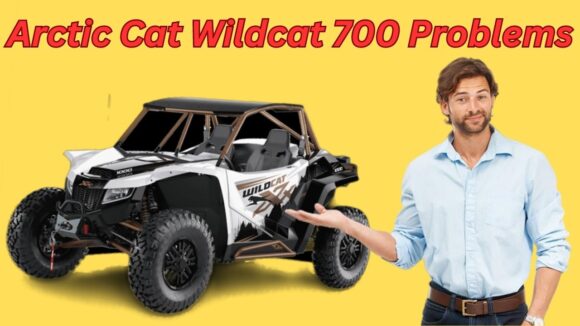
The Arctic Cat Wildcat 700, sold as the Wildcat Sport 700 and the Wildcat Trail 700 from the 2014 model year, is the smaller ride in the Wildcat side by side line. Power comes from a 700cc twin cylinder four stroke with EFI, about 60 horsepower, riding in a Rapid Response CVT with a 7.4 gallon tank.
There is no way around it, the 700 has its share of documented problems. Owners on ArcticChat report four things more than anything else: starter gear housings that crack, shifters that will not hold low and park, electrical gremlins that show up right after a wash, and a motor that sometimes drops to one cylinder. Here is what happens with each, why it happens, and the fix that gets you back on the trail.
If you are considering the bigger sport buggy in the family, the Wildcat 1000 has its own set of recurring issues worth a look before you spend.
Broken starter gear housing, the worst failure
This is the failure that scares Wildcat 700 owners the most because it cooks the motor. The trouble shows up as a grinding or clicking noise when you hit the starter button, and it escalates from there.
One owner on ArcticChat had the whole crankcase assembly opened up after a broken starter gear shaft housing, with the magneto cover housing cracked as well.
He called it a known enough failure across Arctic Chat and other groups that his Arctic Cat dealer covered roughly half the parts under a good faith warranty. How much the dealer stepped in says a lot about how common the break is.
What happens is the starter gear or its shaft support lets go during a hard crank, and the pieces carry into the magneto cover. The starter then eats the ring gear, the flywheel, or worse, and the repair climbs fast. The pattern in the threads goes like this: you replace the starter alone, the grinding comes back on the weekend, and the second time the machine is dead on the trailer. The fix is to catch it at the grinding stage.
Pull the covers, inspect the starter gear shaft housing and the magneto cover, and replace both if there is any cracking. Use genuine parts, check the ring gear on the flywheel for chewed teeth, and torque everything to the factory figures. If you are still under warranty, get the dealer to log the diagnosis in writing before you ride it again.
Shifter that will not stay in low or park
A 2016 Trail owner bought the machine new and found the shifter would not stay in low or park. He had taken it back to the dealer three times with no luck, and noted that at low rpm the transmission did not seem fully in sync.
A veteran who has owned a long list of Cats walked the group through the fix in the same thread: inspect the shifter mounts, the shift gate, and the cable for bent tabs or loose screws, then set the cabin shifter in park, loosen the adjustment nuts on the cable, and cinch them back so the cable is under tension in neither direction. Test every range with the rear wheels off the ground, then recheck each until the gate catches every gear.
Most of the time a Wildcat 700 that pops out of gear is a cable alignment problem, not a broken transmission. Set the cable properly and the box now finds its gates. If it still jumps out of low and park after a correct cable adjustment, then the linkage or an internal has to be the dealer’s or the warranty’s problem. The same cable and shifter design shows up on other machines in the family, and it is a routine driver fix.
No start, dead LCD, and all the electrics go dark after a wash
Few things are more aggravating than a machine that runs all weekend and then dies right after you wash it off.
A Trail 700 owner washed his buggy and it stopped starting, with the dash LCD off and the fuel pump silent even though his headlights, winch and speakers all worked on a charged battery.
Check that fuse first, the replies said, and the kill switch as a second move, and one owner got his back to life after letting it dry out overnight. No short was ever found.
The pattern points to water in the connectors, which is a real trait on the 700. The harness connectors sit low on the frame, and a power washer drives water straight into them. The reliable fix is to pull every main connector, blow out the moisture with air, pack the contacts with dielectric grease, and re-seat them. Then park the machine in front of a fan and let it dry before you close anything up.
Most of the afternoon after a wash, the dash comes back as the water evaporates, and if it would not run again, you have found a connector to chase.
Rough idle that shakes the steering wheel
Part of the Wildcat 700 character is a thumping, rough feel at idle that worries first time buyers on day one. One fresh owner who brought home a 2014 from a big box store said it idled so rough it shook the steering wheel. A fellow Trail 700 owner answered that his idled a little rough too and that he read it as normal, and that the lugging you feel at slow speed is the motor and the lug tires.
These machines have a dual-cylinder four stroke that does not idle as glassy as a Japanese twin, and that thump is part of the design.
That rough at idle is a combination of the twin firing, the big lug tires, and the calibration. Let the engine get to operating temperature, keep the idle set where the manual wants it, and give it a few hours to settle the break-in. If the idle still shakes the whole dash and stalls out, then do not blame the flywheel, dig into fuel and ignition and look for a misfire that a failing coil or injector can cause.
A good idle that holds is something you can verify in the first minute from a cold start.
Drops to one cylinder and will not hold an idle
Running on one cylinder is a failure that can follow the starter housing work, and it has a way of fooling owners. In the same ArcticChat thread where an owner did the crankcase job, the machine came back and fired up but would only idle with the throttle open, the front cylinder stayed cold while the rear ran hot, and it died the second you let go of the pedal.
He checked wiring, plugs, coils, injectors and compression and everything looked fine. As he swapped coils, plugs and injectors front to back, he found both cylinders fired when the other was unplugged, but the two would not run together, which pointed to the crank sensor, the injector spray pattern and fuel pressure, not the timing.
When a 700 drops to one cylinder, run the checks in order. Verify spark on both cylinders and swap the front and rear coils and injectors one at a time, confirm each one sprays clean fuel, and watch the fuel pressure at the rail. If the dead cylinder stays on the same side no matter what you swap, the crank sensor, cam, cam gear, or the wiring downstream is the place to dig. Do not pull the valve cover and guess at cam timing first.
The owner thread shows that mistake costs hours of work.
CVT belt and clutch care on the 700
The Rapid Response CVT on the Wildcat 700 has high and low range with reverse and park, and it pulls a specific belt. Owner threads on belt choice for the Trail 700 agree the machine is tuned for the stock belt, though a few racers running the Team clutches prefer Gates belts and say they perform well under load. Keep the clutch faces clean and the stock belt keeps belt life longer than any part.
When the clutch is stock, there is almost no reason to chase an aftermarket belt. Belt life on the 700 comes down to mud, heat, and how you ride it. A proper belt gives slipping under load, and if you let the machine plow through mud and water up over the vent, the belt soaks and slips. The ownership habit is to keep the clutch face clean and check the belt for glazing at the start of the season.
If you are buying new, a spare belt is a cheap thing to keep in the boot. A worn belt slips under load, which is why a lot of owners keep a spare CVT belt on the shelf.
Maintenance that keeps it alive
The 700 is an easy machine to keep happy if you stay on the routine. Change the oil once a season, use the recommended synthetic with the right spec, and change it more often if you ride hard or dusty. The CVT intake foam gets clogged, so check and clean it, and keep the belt vent clear. Grease the A-arm pivots and the sway bar every few rides, and keep water out of the connectors with dielectric grease on every plug you open.
A simple ATV battery maintainer also keeps the battery up between rides, so a low battery does not send the dash dark or trick you into a false electrical diagnosis.
Every trip into the frame is a chance to catch the starter housing crack before it strands you, so look at the parts near the starter while you work. The maintenance load is reasonable and even an occasional rider can handle the oil, the filter check, and the belt change in an afternoon.
On the same family of machines, the rough trail geometry and clutch habits get covered in the posts on the Prowler 700 XTX and the Prowler 650 if you are cross-shopping older Cat side by sides.
cvt belt
The exact part owners reach for to fix this. Check the current price.
What to check before buying a used Wildcat 700
If a used Sport or Trail 700 is on your list, the biggest red flag is that starter gear housing. Start the machine cold and listen for grinding or clicking on the crank, because that is the clean sign the housing is on its way out. Move the shifter and make sure it snaps into low and park and holds with no slop, since a cable that will not hold a gear is one of the deal breakers.
Watch the LCD light up and go out as it should, and let it run from cold sitting still so you can see that both cylinders warm up and it holds an idle instead of dropping to one cylinder and dying.
Ask how the machine was stored and washed. A used 700 that was power washed hard and then stored wet is the one that gives you the electrical gremlins. A clean example that starts crisp, holds every gear, and idles on both pistons is worth the money. If any of those three is off, walk.
The same red flags apply to other used machine classes, and riders who are cross shopping should read about the Polaris Ranger model years to avoid and the Honda Pioneer 700 to get a sense of what a solid used buy looks like.
Bottom line: the Wildcat 700 is a stout, fun twin, but it earned a handful of documented issues around the starter gear box, the shift cable, and the wet electricals. Most are either a warranty job or a do it yourself cable and connector cleanup, and the big scare is the starter housing crack, so catch that one before it grenades the motor.
Buy one that starts crisp and holds gears, keep the connectors dry, and adjust the shift cable when it asks, and it is a pleasant machine to own rather than a project.