
As an Amazon Associate I earn from qualifying purchases. This article contains affiliate links that may earn a commission at no extra cost to you.
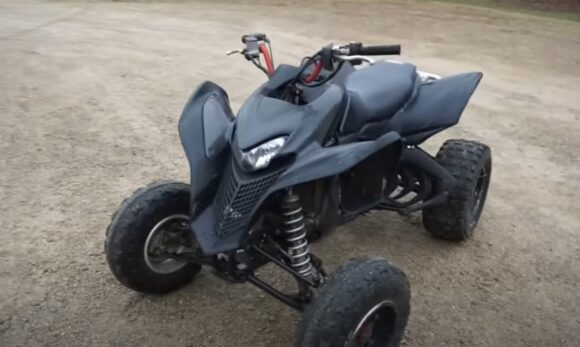
If you are shopping for or already own a Honda TRX700XX, this is the guide you want. The TRX700XX is Honda’s 686cc liquid-cooled sport quad, a big single-cylinder machine Honda built in the mid-to-late 2000s as a two-wheel-drive desert and dune chaser.
The problems owners actually talk about are the ones that show up from hard miles: CV joint covers that work loose, a chain final drive that needs steady attention, plus hard starts when the big single is hot. This guide walks through the most common issues, the root causes, then the fixes that work, so you know what you are getting into before you buy or before that next ride.
I have spent plenty of hours on big-bore singles like this one, and the honest take is that these are excellent machines that just need a little attention in the right places.
The TRX700XX in one paragraph
Honda shifted gears with the 700XX. Instead of another utility four-wheeler, it built a lighter 2WD sport machine on independent suspension all around.
The full 2008 spec sheet tells the story: a 686cc, four-valve, SOHC, liquid-cooled single with a 102 by 84 mm bore and stroke, fed by a Keihin 44mm electronic fuel injector. It drives through a manual five-speed with reverse and a chain to the rear wheel.
The whole thing sits around 508 pounds wet, so it feels far more eager and playful than a utility quad its displacement might suggest.
The trade-offs are part of the deal. It is strictly 2WD, so there is no front diff when the trail turns deep and sloppy. The tank holds only 3 gallons. The chassis has 10.6 inches of front travel from Showa bits and 9.3 inches out back, with dual hydraulic discs up front and a single disc behind, riding on 21×7-10 front and 22×9-11 rear tires.
Honda aimed this at the big-bore utility rider who wanted something sportier, and long-running owner discussions confirm that is exactly how it rides. It revs freely and hooks the rear well on loose ground. That poise keeps it planted through the rough stuff that buyers of that era were chasing.
CV joint covers that come loose
One of the most reported niggles on the 700XX is the rubber CV joint cover working loose off the axle. In an atvconnection thread about it, one owner described the right side cover popping loose mid-ride, with the real worry being dirt getting into a joint that needs to stay sealed tight.
The fix is more of a shop-floor job than a mystery. You pull the inner joint and boot to reach the outside unit, then clean off old grease and dirt from the band area. The band has two locking tabs. Bend them out, lift the band end to make it a little larger, seat it back over a clean and re-packed joint, then lock it down again. Owners advise packing the boot with moly grease before resealing.
If the boot or band is torn or rusted, replace the part rather than reuse it, because a split boot lets grit in and turns a cheap repair into a CV joint replacement. Give this a look before any long trip, and make a habit of eyeballing all four boot clamps after rocky or sandy rides, since that is the moment a loose band is most likely to let go.
The chain final drive and what eats it
Because the 700XX sends power through a chain rather than a shaft, drivetrain upkeep lands on your shoulders more than it does on a shaft-drive machine. A dry or loose chain wears sprockets, and a 686cc motor puts out enough torque to stretch a neglected chain quickly. Keep the chain lubed and at the right tension and it will last. Run it dry and tight and you will be buying chain and sprockets sooner than you want.
Check tension by pressing on the middle of the run with a finger; the chain should have a little give but not sag. Use a proper chain lube after dusty rides and whenever the chain looks dry, and clean off old caked-on wax rather than loading fresh lube over the top. At the same time, check the adjuster slide and look at the sprocket teeth for hooking.
If the rear sprocket shows sharp and hooked teeth, replace it with the chain so the two wear in together. A can of chain lube on the shelf is a small cost next to a snapped chain on the trail. It is far cheaper to spend a few minutes with the lube can before a ride than to deal with a broken chain miles from the truck.
Hot start and big-single quirks
Anyone used to big singles knows this one: the engine can be awkward to fire up again right after being run hard and heat soaked. Because the 700XX is fuel injected rather than carbureted, hot-start drama is usually about fuel pressure holding when hot, not a choke mystery.
When a unit refuses to fire when warm, hunt first for a fuel pressure issue or pump leak-down, then confirm you have solid battery cranking, because the electric starter needs good voltage to spin a large cylinder fast enough.
This is not a defect that shows up on every bike, and plenty of owners run theirs for years without a starting complaint. Keep the battery fresh and the connections clean, and let the fuel system prime fully before cranking each time. If hard starts show up along with a dripping fuel smell, check the pump and return side before chasing anything else.
A useful detail is that when the machine is cold, it fires easily and idles fine, so the quirk is specifically a heat thing.
The manual clutch and harder riding
The 700XX runs a manual five-speed, which makes the clutch a wear item in a way it is not on an automatic utility. If the lever comes up late, the machine creeps in first gear, or slipping shows under load in higher gears, the friction plates are likely near the end of their life. That is normal wear on a sport quad that gets clutched hard, but it is worth building into your cost expectations when buying used.
When you do the job, replace the plates and spring together and follow the manual’s stack-height check rather than just bolting in new friction plates and guessing. Keep the clutch cable adjusted so the lever has a little free play, and avoid riding with a hand resting on the lever. A full clutch tune is one of the more satisfying DIY projects on this machine because the motor is easy to reach and the parts are straightforward.
Cooling and heat in dune use
Dune and desert riders put real heat load on the 700XX, and the liquid-cooled single has a radiator and fan to shed it. Watch the gauge and the coolant level on long or hard runs, and keep the radiator fins clear, because sand and mud pack them fast and ruin airflow right when you need it most. If an owner reports overheating, the usual causes are low coolant, a bad fan switch, or a packed radiator, usually in that order.
The 3-gallon tank shapes how you ride too. It is light and loves to be exercised, but expect to plan fuel stops on long remote rides. It is a small-capacity sport tank, not a utility hauler, but nobody buys a 700XX for touring range. Carry fuel or plan your loop on big backcountry days.
Ride setup and the suspension you are on
Part of the 700XX charm is how planted it feels, and that starts under you. Honda gave it independent double wishbone suspension front and rear, with Showa units up front and about 10.6 inches of travel, 9.3 inches out back, and 10.5 inches of ground clearance on a 50-inch wheelbase. The rear wheels sit on a solid axle, so it hooks up in a straight line but asks you to lift inside wheels a little more than an IRS setup would in tight turns.
Set sag for your weight and keep the shock bushings and suspension pivots greased and tight. Loose pivots show up as clunks and vague steering, and they are easy to miss if you are not underneath the machine. The 33-inch seat height puts you up high enough to see the trail, and the manual steering is heavy in slow going, which is worth knowing if you mostly slow-crawl rather than carve.
Bar risers help taller riders stand comfortably, and a fresh set of grips and a clean pivot makes a real difference to how the machine steers.
What to check before you buy a used TRX700XX
A used 700XX is an enthusiast purchase, so walk around it like an owner, not a browser. Ask about service history, and look closely at the CV boots and band clamps, the chain and both sprockets, the rear tires, plus the state of the clutch. Compression and oil condition tell you a lot about how the top end was treated, since a big single that was starved for oil or run hot is an expensive rebuild in your future.
Look for even idle without smoke, no knocking from the lower end, plus a clean air box when you pull the seat.
Expect the usual used-quad compromises because the platform is discontinued. Parts are still available through Honda and aftermarket channels, but you will source more than you would on a still-current model, so budget for harder-to-find trim and body bits. Compare it against the Kawasaki KFX700, a V-twin sport rival of the same era.
If the trail and work needs point you toward a full-size 4×4 utility instead, the Yamaha Grizzly 700 is the modern standard. On the utility side of Honda’s own lineup, the Pioneer 700 is the current workhorse.
Parts availability and project reality
Because Honda stopped building the 700XX, parts availability is the quiet question every owner ends up asking. Powertrain items like clutch plates, chain and sprockets, seals plus gaskets are easy to find. Harder to source are body panels, graphics and specific trim pieces that tend to get cracked in the woods. This matters most if you are building a project from a basket case, less so for a clean runner you intend to ride and maintain.
Before you buy, search current listings for common wear parts so you know what a shock, a fender, or a radiator will cost you. Knowing that before you commit makes a big difference in whether the bike is a good deal or a money pit. The enthusiast community keeps a lot of knowledge alive, and for most riders a maintained 700XX is far cheaper to keep than to replace with a newer high-output machine.
Maintenance that keeps a TRX700XX alive
The 700XX rewards steady basic care. Change the oil on a regular schedule with a quality synthetic ATV oil. Keep the air filter clean since a big single gulps air, and check valve clearance at the manual’s interval, because a four-valve head holds its tune only if the clearances stay in spec. There is no belt and no shaft to service, so the drivetrain list stays short, but the chain, coolant and clutch all need their turn.
A bottle of synthetic ATV oil is a low-cost way to protect the top end of a hard-working single.
Keep coolant fresh and full, clear the radiator fins, then confirm the fan switch works. Check the CV boots and band clamps, then lube the chain after every dusty outing. Give the tie rods and suspension pivots a quick once-over too, and you keep the 700XX a dependable, grin-inducing machine instead of a project. If you ride mostly dunes, plan a slightly shorter fluid interval because the engine works harder and runs hotter there.
atv chain lube
A practical fix that most owners swear by. See today’s Amazon price.
Bottom line. The Honda TRX700XX is a niche, engaging machine with real character and a loyal following. The problems that turn up are the ordinary costs of a hard-run sport quad: CV boots that work loose, a chain drive that needs regular care, and hot-start quirks on a big single. None of them are scary as long as you check the right things before buying and stay on top of basic maintenance.
If you want a light 2WD quad that carves dunes and trails with real spirit, the 700XX is worth seeking out. For sport-quad buyers leaning toward something newer and bigger, the Polaris General is a modern all-rounder worth a look.

